Health & Wellness
Hygiene has the demand, skin care, hair care and beauty have the momentum
Personal Hygiene remains the strongest demand pool in Personal Care. But Skin Care, Hair Care and Beauty are gaining ground.
Read the articleAnalysis from Kasi analysts, built on Kasi's own consumer data and the wider economic picture.
Personal Hygiene remains the strongest demand pool in Personal Care. But Skin Care, Hair Care and Beauty are gaining ground.
Read the articleMost businesses will enter 2027 with a brand tracker in one hand, sales history in the other, and a set of assumptions about what happens next. The real risk is not making those assumptions. It is failing to monitor whether they are still true.
Most African countries still rely more on external partners, leaving regional demand and production capacity largely untapped. Stronger regional supply chains can reduce exposure to global shocks while unlocking new growth.
For decades, marketers have been taught that brand loyalty is the ultimate measure of success. Companies invest millions of dollars building awareness, strengthening brand equity and increasing customer loyalty, believing that consumers who love a…
During Kenya's 2023 El Niño short rains, demand signals weakened sharply for meat, eggs, milk and canned foods, while rice held steady. The lesson for 2027: climate-related risks will not affect every food category equally.
As El Niño raises concerns about food supply and affordability, Kasi Insight's consumer data reveals how African households adjust their spending—and why the impact extends beyond the grocery basket.
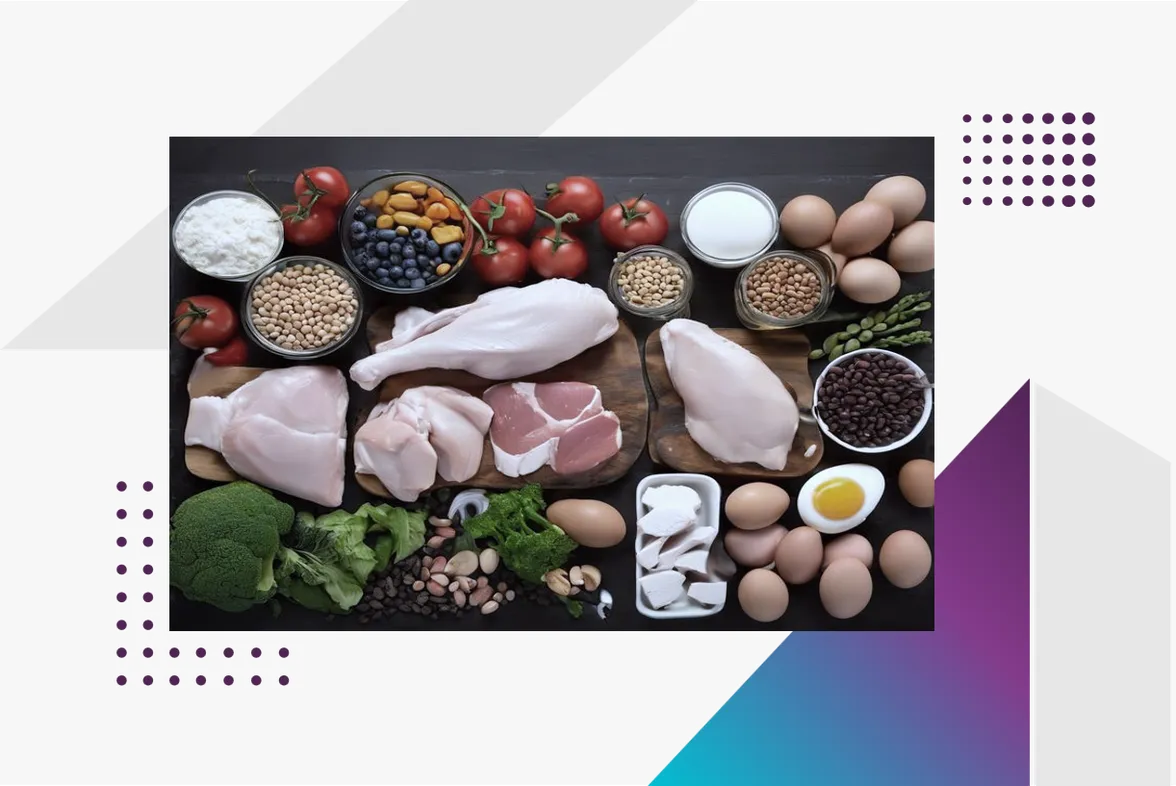
Households in Cameroon are reshaping how protein fits into their budgets, moving toward planned consumption, fewer staples, and flexible formats. As affordability pressures persist, brands face a market defined less by volume growth.
Essentials like tea, milk, and water stay strong, while indulgent drinks and premium alcohol decline, driven by older consumers. Kasi Insight’s RDI highlights true demand, helping brands focus on hydration, wellness, and value-led strategies.
Nigeria’s alcoholic beverages market is polarizing: beer demand surged while premium categories like whisky, tequila, and champagne collapsed in H1 2025. Consumers are prioritizing affordability and value, reshaping holiday season strategies for brands.
Nigerian consumers continue to prioritize fresh produce and proteins despite economic pressures, with spending patterns showing a clear split between budget-conscious and premium buyers. Price leads purchase decisions, but functionality & quality are key.
Beer remains Uganda’s most consumed alcohol, but wine captures the highest spend, especially among affluent consumers. Generational preferences show growing interest in gin and cider.
Tanzanian consumers spend heavily on food but remain value-conscious, with Gen X prioritizing functionality and Gen Z driven by affordability and promotions.
Kenya’s alcohol consumers are drinking less frequently but making more intentional, lifestyle-driven choices. Growth lies in flavor, occasion, and relevance as younger and female segments reshape the market.
Alcohol demand in East Africa became more fragmented in H1 2025, with wine, cream liqueurs, and rum recording the strongest growth while beer and whisky remained flat. Uganda and Tanzania led the surge, while Kenya showed weaker overall momentum.
Nigerian households in Q2 2025 are prioritizing essential foods like fresh produce, grains, and dairy, with affordability driving most purchase decisions while brands that combine low prices, convenience, and quality are best positioned to earn loyalty.
Consumers in Kenya are spending more on food but buying less, making deliberate choices to stretch every shilling. Routines are shifting, trust in digital sources is rising, and food decisions are now guided by control and necessity.
Overview This whitepaper explores the challenges Kenyan banks face in meeting the needs of Generation Z, a tech-savvy, digital-first demographic that is reshaping the landscape of financial services. The study delves into the misalignment between…
Overview The white paper by Kasi Insight examines the predictive power of consumer sentiment in forecasting election outcomes, specifically focusing on the Democratic Republic of Congo (DRC). It utilizes the Kasi Index of Consumer Sentiment…
The white paper investigates the correlation between the consumer confidence index (CCI) and consumer demand during election cycles in Africa. Focused on Ghana, Kenya, and Ivory Coast, it explores how CCI acts as a predictor…
The white paper "How SMEs Can Thrive with Reliable Data," authored by Kasi Insight in August 2020, focuses on the challenges faced by African small and medium enterprises (SMEs) amidst the COVID-19 pandemic and how…
Tell us what your business needs to understand, and we'll recommend the appropriate approach.