Health & Wellness
Hygiene has the demand, skin care, hair care and beauty have the momentum
Personal Hygiene remains the strongest demand pool in Personal Care. But Skin Care, Hair Care and Beauty are gaining ground.
Read the articleAnalysis from Kasi analysts, built on Kasi's own consumer data and the wider economic picture.
Personal Hygiene remains the strongest demand pool in Personal Care. But Skin Care, Hair Care and Beauty are gaining ground.
Read the articleMost businesses will enter 2027 with a brand tracker in one hand, sales history in the other, and a set of assumptions about what happens next. The real risk is not making those assumptions. It is failing to monitor whether they are still true.
Most African countries still rely more on external partners, leaving regional demand and production capacity largely untapped. Stronger regional supply chains can reduce exposure to global shocks while unlocking new growth.
For decades, marketers have been taught that brand loyalty is the ultimate measure of success. Companies invest millions of dollars building awareness, strengthening brand equity and increasing customer loyalty, believing that consumers who love a…
Awareness reached 70%, while usage remains at 16%. The bigger opportunity may be consideration: CIPS could give customers a stronger reason to choose Ecobank.
Could connecting banking services with customers’ existing payment habits unlock deeper engagement?
Ecobank customers recognize its network and customer care, but are six percentage points less likely than the wider market to associate Ecobank with convenience.
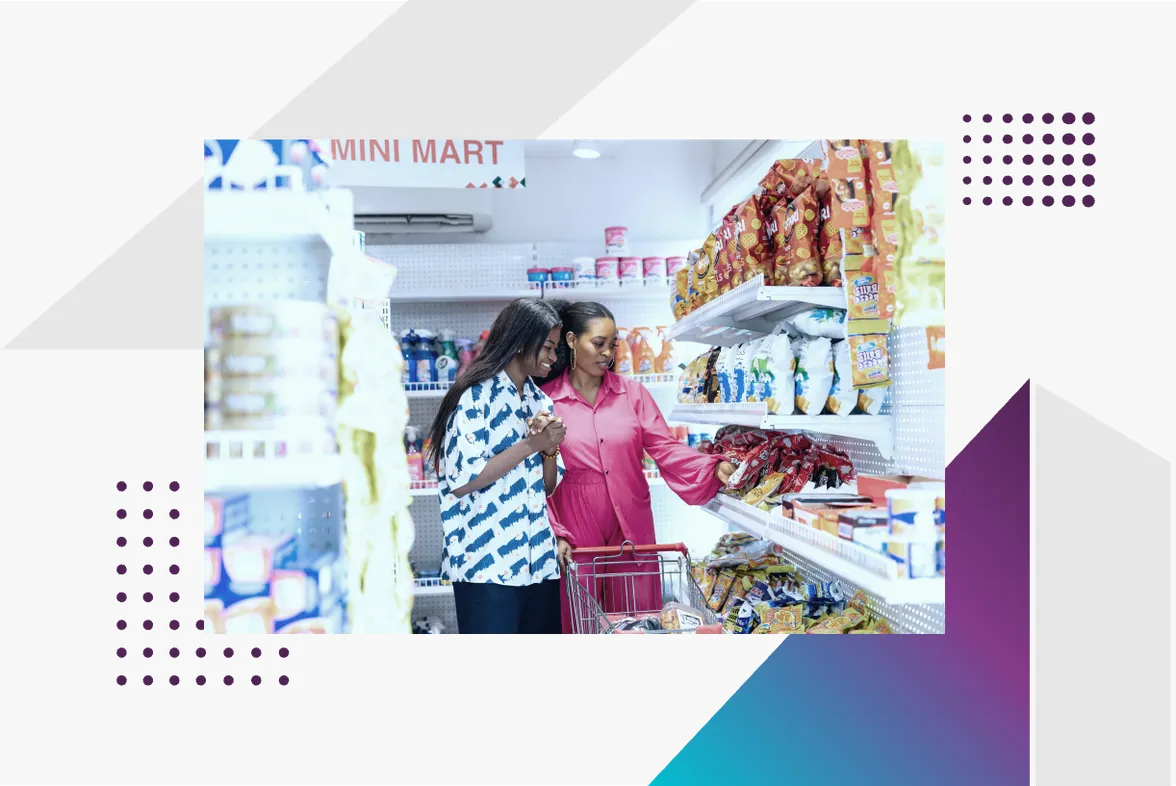
Quickmart is opening its ownership to retail investors. The consumer backdrop raises a bigger question: can supermarket growth hold up when household spending is under pressure?
In the month Quickmart announced its IPO, prices hit a 2½-year high and shoppers' spending confidence sat near its yearly low
Kenyans are borrowing more, but that doesn’t signal stronger spending power. Appetite for loans is 21 points ahead of appetite for investing, the widest gap in our 11-quarter series.
Kenya's last El Niño period reveals an important lesson for businesses: improving consumer confidence does not necessarily translate into stronger purchasing power or demand.
During Kenya's 2023 El Niño short rains, demand signals weakened sharply for meat, eggs, milk and canned foods, while rice held steady. The lesson for 2027: climate-related risks will not affect every food category equally.
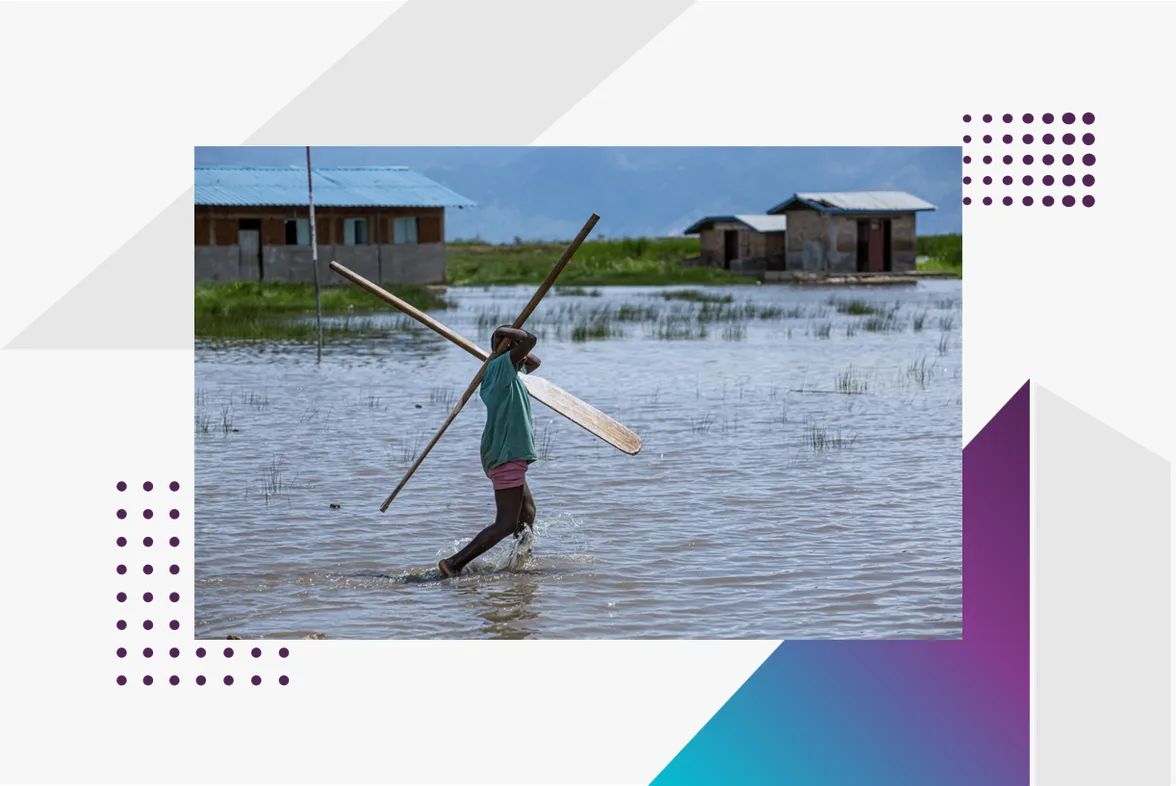
The forecast is stronger, and the rains are likely to arrive on a tighter cost base. For businesses, the bigger risk is what flooding does to food costs and distribution, not the rain itself.
As El Niño raises concerns about food supply and affordability, Kasi Insight's consumer data reveals how African households adjust their spending—and why the impact extends beyond the grocery basket.
As the cost of getting essential goods to market becomes more visible, consumers are showing stronger support for producing closer to home. That shifts the question from simply how much Africa can produce to whether…
Big investments in African markets often come with big promises: more supply, greater resilience, lower dependence and a different economic future. But promises only matter when people believe the institutions behind them can deliver. Kasi’s…
Overview This whitepaper explores the challenges Kenyan banks face in meeting the needs of Generation Z, a tech-savvy, digital-first demographic that is reshaping the landscape of financial services. The study delves into the misalignment between…
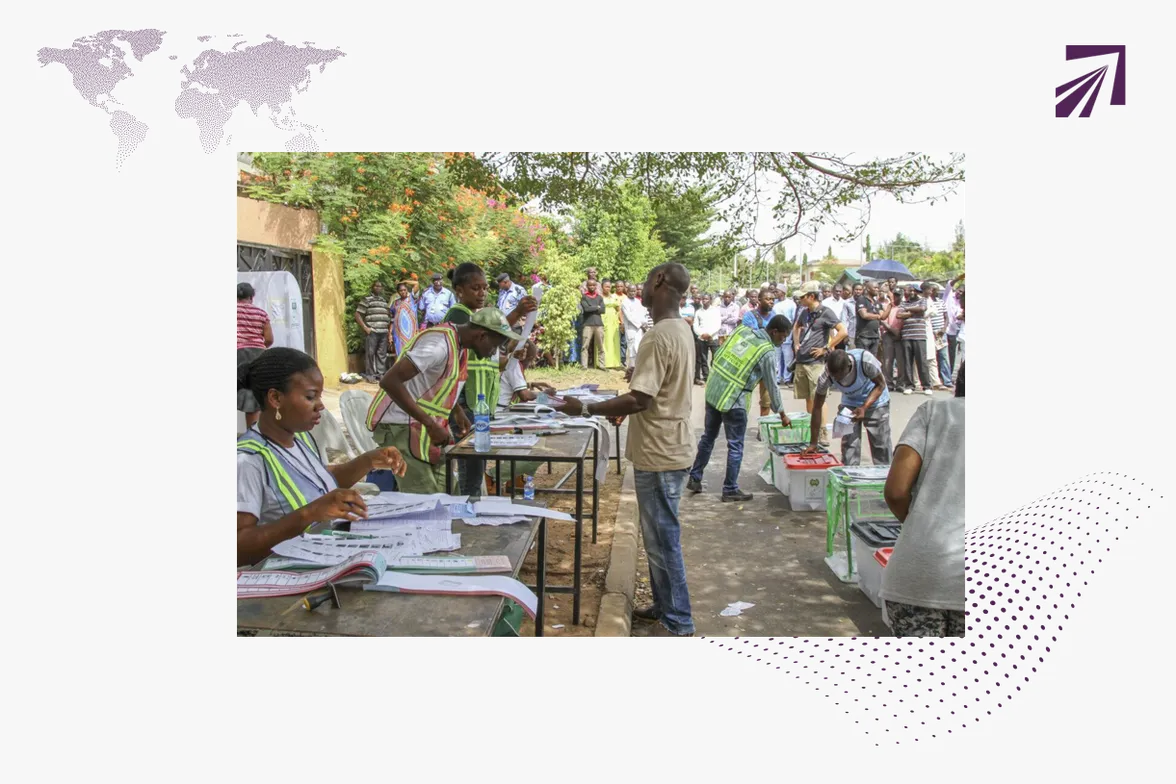
Overview The white paper by Kasi Insight examines the predictive power of consumer sentiment in forecasting election outcomes, specifically focusing on the Democratic Republic of Congo (DRC). It utilizes the Kasi Index of Consumer Sentiment…
The white paper investigates the correlation between the consumer confidence index (CCI) and consumer demand during election cycles in Africa. Focused on Ghana, Kenya, and Ivory Coast, it explores how CCI acts as a predictor…
The white paper "How SMEs Can Thrive with Reliable Data," authored by Kasi Insight in August 2020, focuses on the challenges faced by African small and medium enterprises (SMEs) amidst the COVID-19 pandemic and how…
Tell us what your business needs to understand, and we'll recommend the appropriate approach.