Supermarket adoption is splitting by income, with half of low-income shoppers buying less
Kenyans are borrowing more, but that doesn’t signal stronger spending power. Appetite for loans is 21 points ahead of appetite for investing, the widest gap in our 11-quarter series.
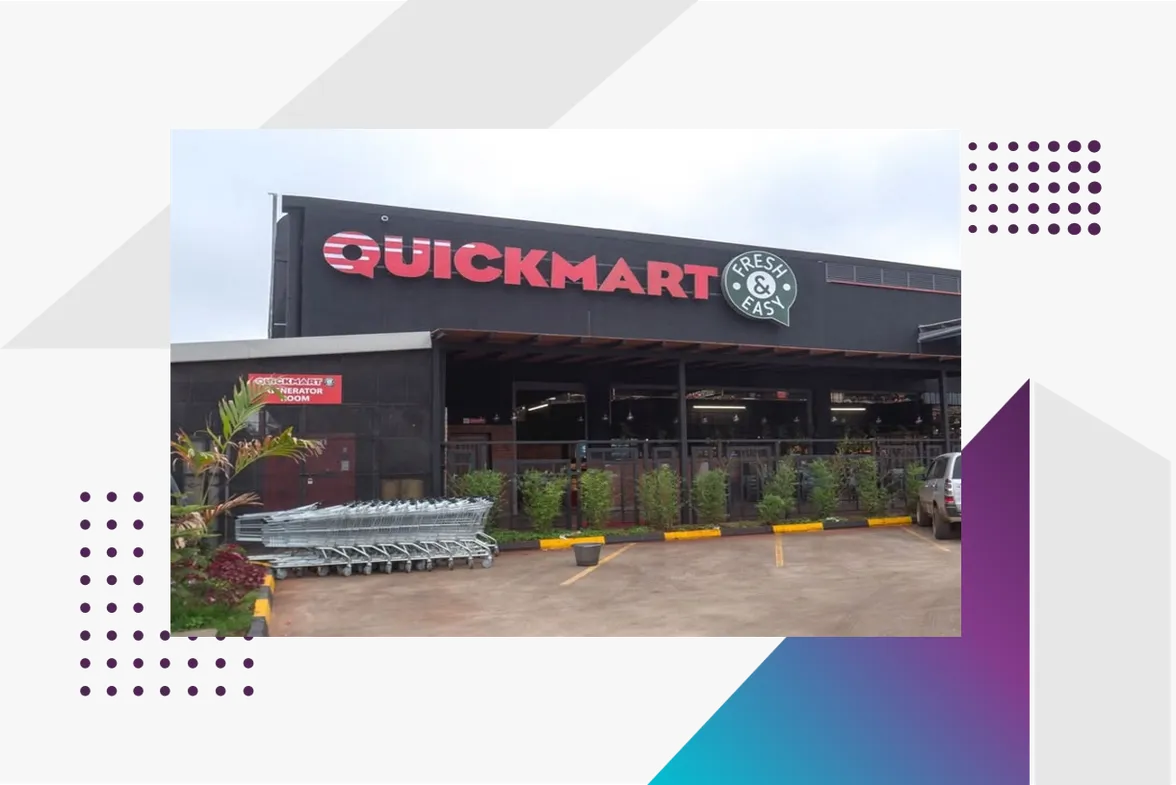
Kenya’s supermarket opportunity is not moving at the same pace across the market. In August 2026, 43% of high-income shoppers said they were buying more everyday essentials from supermarkets than three months earlier, compared with just 11% of low-income shoppers. Among the latter, half (50%) were buying less. The gap points to a retail market in which modern trade is gaining traction among wealthier households but struggling to retain lower-income shoppers.
Create an account to keep reading
Our analysis is free to read. Create an account and the full text opens straight away, on any device.
Already have an account? Log in