Health & Wellness
Hygiene has the demand, skin care, hair care and beauty have the momentum
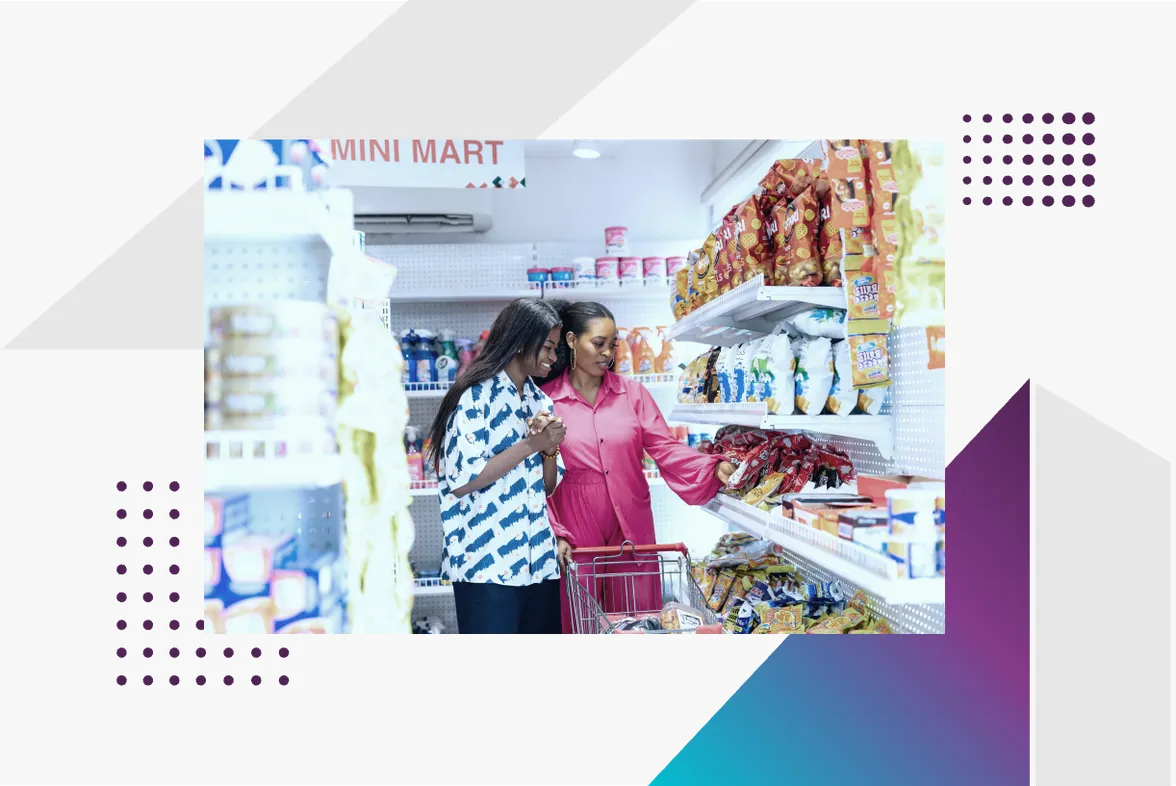
Personal Hygiene remains the strongest demand pool in Personal Care. But Skin Care, Hair Care and Beauty are gaining ground.
Read the articleAnalysis from Kasi analysts, built on Kasi's own consumer data and the wider economic picture.
Personal Hygiene remains the strongest demand pool in Personal Care. But Skin Care, Hair Care and Beauty are gaining ground.
Read the articleMost businesses will enter 2027 with a brand tracker in one hand, sales history in the other, and a set of assumptions about what happens next. The real risk is not making those assumptions. It is failing to monitor whether they are still true.
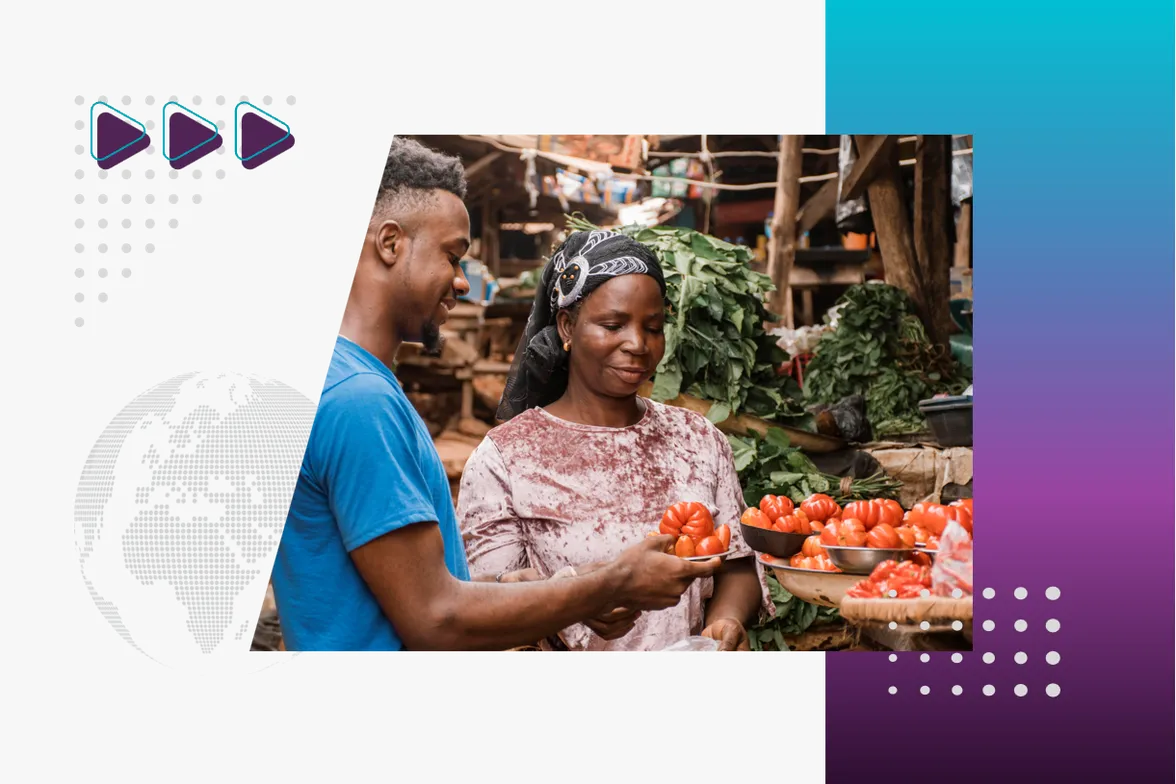
Most African countries still rely more on external partners, leaving regional demand and production capacity largely untapped. Stronger regional supply chains can reduce exposure to global shocks while unlocking new growth.
For decades, marketers have been taught that brand loyalty is the ultimate measure of success. Companies invest millions of dollars building awareness, strengthening brand equity and increasing customer loyalty, believing that consumers who love a…
The next frontier for AI in Africa is not just building smarter models but enabling smarter, real-world decisions. Decision intelligence can turn data into action where it matters most from health and agriculture to education and public services.
Walmart will open its first stores in South Africa by late 2025, promising everyday low prices in a strained economy. The move raises competition for local giants and big questions on consumer relief and policy.
Nigeria’s alcoholic beverages market is polarizing: beer demand surged while premium categories like whisky, tequila, and champagne collapsed in H1 2025. Consumers are prioritizing affordability and value, reshaping holiday season strategies for brands.
Kenya’s financial sector is rebounding as RDI shows demand rising across loans, insurance, and investments between March and July. Millennials and high-income households are powering the surge, while mobile money remains the backbone of inclusion.
Kenya’s housing market reveals a growing generational divide, with Gen Z struggling to save while Gen X holds stronger financial footing. Younger buyers lean on family land and rent-to-own, while older generations rely on mortgages and SACCOs.
In Ivory Coast, banks and mobile money providers are trusted for competence but fall short on ethics and transparency. Consumers place the highest confidence in essential service providers, showing that trust depends on both reliability and fairness.
Consumer confidence in Africa declined by 9 points in July as households grew more cautious and pulled back on spending. Financial pressure is shaping more restrained and deliberate decision-making.
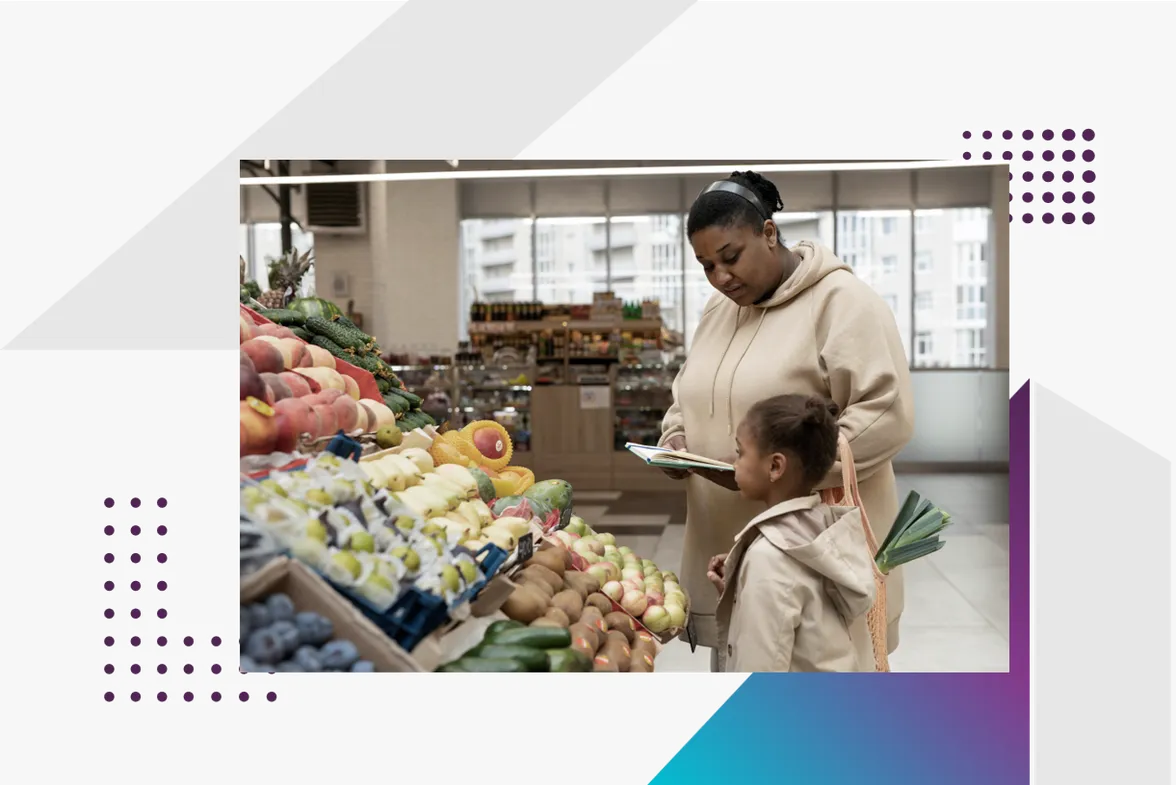
Nigerian consumers continue to prioritize fresh produce and proteins despite economic pressures, with spending patterns showing a clear split between budget-conscious and premium buyers. Price leads purchase decisions, but functionality & quality are key.
Most Ivorian households spend cautiously on entertainment and dining, but Gen Z is breaking the mold, dedicating a larger share of their budgets to leisure.
Kenya’s telecom market is shifting as consumers spend more carefully and prioritize speed, affordability, and reliability. Airtel is gaining ground while Safaricom faces rising pressure to deliver better value.
Beer remains Uganda’s most consumed alcohol, but wine captures the highest spend, especially among affluent consumers. Generational preferences show growing interest in gin and cider.
Most Tanzanian households spend under 30% of their income on rent and less than 10% on utilities, but spending patterns reveal sharp differences in affordability, with low-income groups clustered in the lowest bands.
The World Cup for Africa may be over, but her journey is far from finished. For the first time in FIFA World Cup history, nine African teams progressed beyond the group stage, marking the continent's…
As the 2026 FIFA World Cup kicks off across North America, African football marks its most significant milestone on and off the pitch. Driven by the tournament's expansion to 48 teams, the Confederation of African…
Africa's Refining Paradox: Why a Continent Rich in Crude Still Imports Its Fuel By Kasi Insight Africa sits on roughly 125 billion barrels of proven crude oil reserves, about 8% of the world's total, and…
The presence of French companies in Kenya represents a strategic pivot in Africa’s geopolitical landscape. As Paris recalibrates its engagement following shifts in the Sahel, Kenya has emerged as the primary anchor for French interests…
A survey of 19 nations reveals a continent divided; not by interest, but by access Across 19 African countries, only 7.3% of consumers currently own cryptocurrency, but that average conceals a story of sharp contrasts.…
The Landscape of Meat Retail in Africa Despite the rapid expansion of modern retail formats across the continent, Africa's fresh meat trade remains anchored in specialized and traditional commerce. Analysis of consumer behavior across 20…
Across Africa, Gen Z’s bathing habits cluster into three clear market realities. In Core Daily Markets (80%+), daily showering is the default—these are high-frequency, high-reliability consumption environments where brands win by deepening value per user.…
How African Consumers are Coping with Inflation As inflationary pressures continue to reshape the economic landscape across Africa, consumers are moving beyond traditional saving methods toward more active, market-based strategies. Our latest Kasi Map, based…
Defining Africa’s Credit Narrative The story of Africa’s sovereign credit landscape in 2026 is defined by a sharp divide between a few "investment-grade" successes and a vast majority of nations struggling under the weight of…
Tariffs are a tax on imports, designed to raise the cost of foreign goods, protect domestic industries, and shift trade flows. For example, if Libya exports $1,000 worth of goods to the U.S. at a…
This analysis sheds light on the evolving relationship between G7 nations and African countries, highlighting both the goodwill that exists and the gaps that need bridging. Understanding how Africans perceive and understand the G7 is…
When we talk about global influence in Africa, the conversation often centers on political and economic dynamics - trade partnerships, infrastructure projects, public-private investments, foreign direct investments, foreign aid, IMF loans, and World Bank reforms.…
Tell us what your business needs to understand, and we'll recommend the appropriate approach.