
Sandra Beldine Otieno, MSc
September 15, 2025
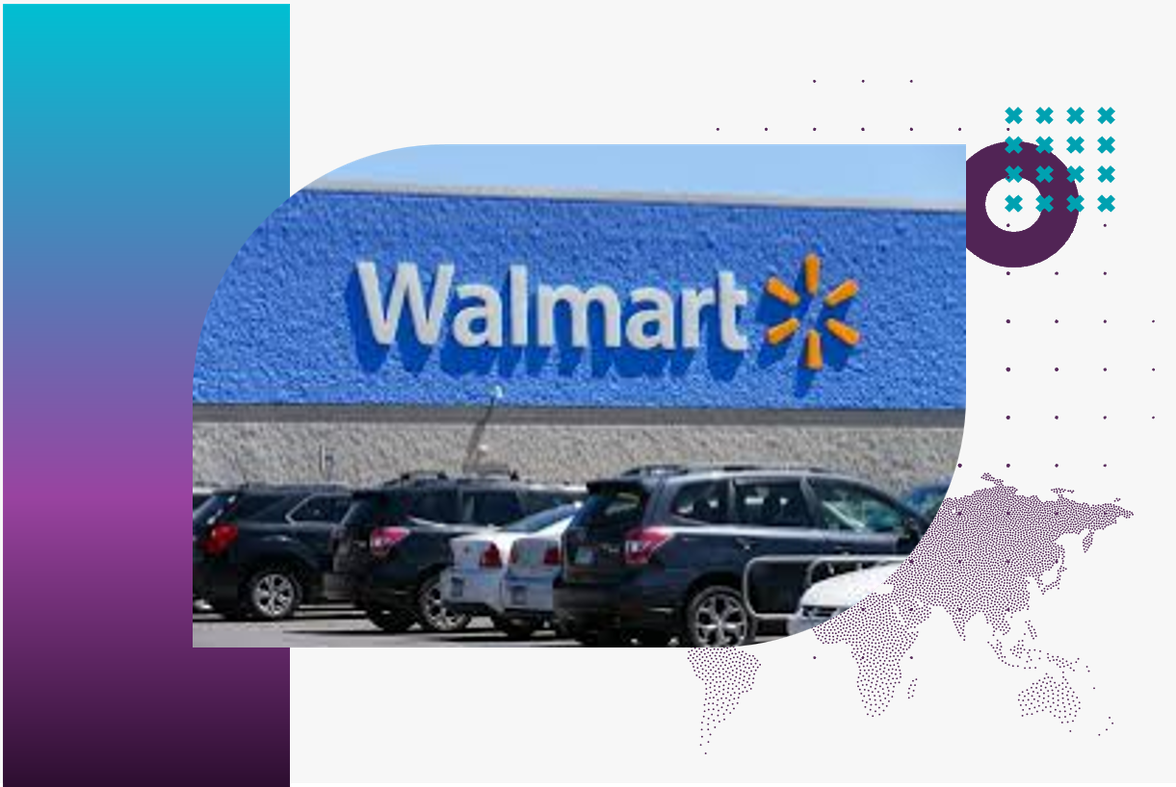
Walmart has confirmed it will open its first Walmart-branded stores in South Africa before the end of 2025, marking its first direct retail presence in Africa. The outlets will stock groceries, household goods, apparel and technology, while offering click-and-collect and delivery services. This move follows the R6.4 billion buyout of Massmart in 2022, which delisted the company from the Johannesburg Stock Exchange and gave Walmart freedom to reshape its brand strategy, and it also builds on the April 2025 Growth Summit in Johannesburg, where suppliers from twelve African countries were recruited into Walmart’s pipeline. The timing is deliberate, as inflation in July was 3.5% year on year but food prices were still climbing at 5.7%, while unemployment stands at 33.2%, leaving millions of households under pressure.
Walmart’s arrival is a direct challenge to the country’s leading chains, who have spent the past two years competing fiercely on price and loyalty. Shoprite and Checkers have built momentum, growing merchandise sales by almost 9% while keeping internal price inflation at 2.3% through heavy promotions. Checkers has also expanded its premium food offer, and Sixty60 has set a benchmark in on-demand delivery with nearly R19 billion in sales. Pick n Pay, by contrast, remains in the midst of a turnaround after a R4 billion rights issue in 2024. Its discount arm Boxer is driving growth, but the core Pick n Pay banner risks being squeezed further by Walmart’s value play. Woolworths continues to grow in food, with turnover up 11%, but apparel and Australian operations remain a drag.
What sets Walmart apart is not just scale but consistency. While incumbents rely heavily on promotions, Walmart’s everyday low price model aims to offer stability that households can trust. This shift from short-lived discounts to predictable shelf prices will force competitors to rethink their strategies, placing greater emphasis on transparency and long-term value rather than quick promotional wins.
The consumer environment that Walmart is entering is one of profound fatigue. Kasi Insight’s Consumer Confidence Index fell from 70 in early 2024 to −8 in August 2025. Current conditions are deeply negative at −29, while job prospects collapsed to −61, showing that households feel squeezed today and see little hope for tomorrow. This erosion of confidence has translated into a steep decline in demand across almost every category of spending.
The Retail Demand Index halved from 56 in the first quarter of 2025 to 28 in the second, with even essentials being rationed. Fresh groceries dropped by 27 points, long-life groceries by 31 and cleaning products by 49. Discretionary categories such as clothing, entertainment and electronics fell by more than 20 points each, showing that families are scaling back not just on luxuries but also on everyday items they once considered necessary. This illustrates the depth of the crisis in household spending.
Coping strategies that once helped families manage rising costs are rapidly collapsing. Reliance on savings fell from 22% in the first quarter to just 9% in the second, while community support dropped from 43% to 21%, highlighting the strain on social safety nets. At the same time, 89% of households reported higher food prices in the second quarter, up 32 percentage points from the first, and 79% reported higher communication costs. In such an environment, Walmart’s everyday low-price model speaks directly to the core anxiety of households: the need for predictability and stability in their weekly shopping basket.
The broader impact of Walmart’s entry will depend on how policy and regulation shape the market. Managed well, Walmart could reset expectations on price, availability and service, giving households lasting relief. Managed poorly, it could squeeze weaker players and undermine small suppliers. Authorities therefore have a critical role to play.
Price pass-through must be guaranteed by monitoring farm-to-retail spreads on staples such as bread, maize and cooking oil. Small and medium suppliers need protection through strict enforcement of buyer power regulations to prevent unfair payment terms or hidden fees. Local sourcing must go beyond quotas and be tied to real capacity building in packaging, cold storage and quality assurance so that local firms can compete effectively.
Structural bottlenecks in logistics, ports, rail and electricity also require urgent attention so efficiency gains are not lost before they reach the shelf. Keeping retail competition open by policing exclusive lease agreements is equally important. Taken together, these measures will ensure Walmart’s arrival strengthens the entire retail ecosystem and delivers lasting benefits to households, suppliers and the wider economy.
Share on socials using this caption: 📢 Walmart enters 🇿🇦 South Africa in 2025 with everyday low prices, a bold move in a tough economy where shoppers want stability. Big test ahead for local giants & policy makers. #Walmart #SouthAfrica #Retail #KasiInsight #EverydayLowPrices
1327 views
A Strategic Material for Development Sustainable Roads in Africa
Foresight Is No Longer Optional: Why Africa’s Decision Makers Must Move From Insight to Intelligence
Africa’s Data Dilemma: Waiting for the Porsche While Refusing the Bicycle