Health & Wellness
Hygiene has the demand, skin care, hair care and beauty have the momentum
Personal Hygiene remains the strongest demand pool in Personal Care. But Skin Care, Hair Care and Beauty are gaining ground.
Read the articleAnalysis from Kasi analysts, built on Kasi's own consumer data and the wider economic picture.
Personal Hygiene remains the strongest demand pool in Personal Care. But Skin Care, Hair Care and Beauty are gaining ground.
Read the articleMost businesses will enter 2027 with a brand tracker in one hand, sales history in the other, and a set of assumptions about what happens next. The real risk is not making those assumptions. It is failing to monitor whether they are still true.
Most African countries still rely more on external partners, leaving regional demand and production capacity largely untapped. Stronger regional supply chains can reduce exposure to global shocks while unlocking new growth.
For decades, marketers have been taught that brand loyalty is the ultimate measure of success. Companies invest millions of dollars building awareness, strengthening brand equity and increasing customer loyalty, believing that consumers who love a…
In most banking systems, balance sheet strategy is revealed with a delay—through earnings releases, loan growth data, or shifts in asset allocation. In Kenya in 2025, however, the earliest and most visible signal of change…
A decade of South African market data (2016–2026) reveals that the Kasi Index of Consumer Sentiment (ICS) is a critical leading indicator of economic health, that precedes shifts in banking profits, JSE performance, and NPL ratios.
Kasi Credit Stress Signal; An early warning radar for banks to spot risks before they hit the balance sheet.
Kenya’s financial sector is rebounding as RDI shows demand rising across loans, insurance, and investments between March and July. Millennials and high-income households are powering the surge, while mobile money remains the backbone of inclusion.
Kenya’s housing market reveals a growing generational divide, with Gen Z struggling to save while Gen X holds stronger financial footing. Younger buyers lean on family land and rent-to-own, while older generations rely on mortgages and SACCOs.
In Ivory Coast, banks and mobile money providers are trusted for competence but fall short on ethics and transparency. Consumers place the highest confidence in essential service providers, showing that trust depends on both reliability and fairness.
Most Tanzanian households spend under 30% of their income on rent and less than 10% on utilities, but spending patterns reveal sharp differences in affordability, with low-income groups clustered in the lowest bands.
In Uganda, banks can no longer rely on generic products to win loyalty. Tailored experiences, seamless digital tools, and personalized support are essential to attract and retain diverse customer segments.
62% of Ugandan consumers have only moderate financial knowledge, while nearly half struggle to manage budgeting and expenses. Younger generations feel confident but face persistent challenges translating awareness into daily financial control.
Cameroon’s post-pandemic income decline is driving a surge in migration intent, especially among educated and middle-income earners. Many now see relocation as the only path to achieve financial stability.
Retail banking in Kenya is evolving as consumers demand trust, resilience, and real value. While product usage is rising, financial stress and digital dissatisfaction remain key challenges.
In Q1 2025, Nigerian consumers showed rising demand for flexible financial tools, with credit cards and mobile money gaining traction across key segments. Savings products remained strong, while insurance and loan products saw notable declines.
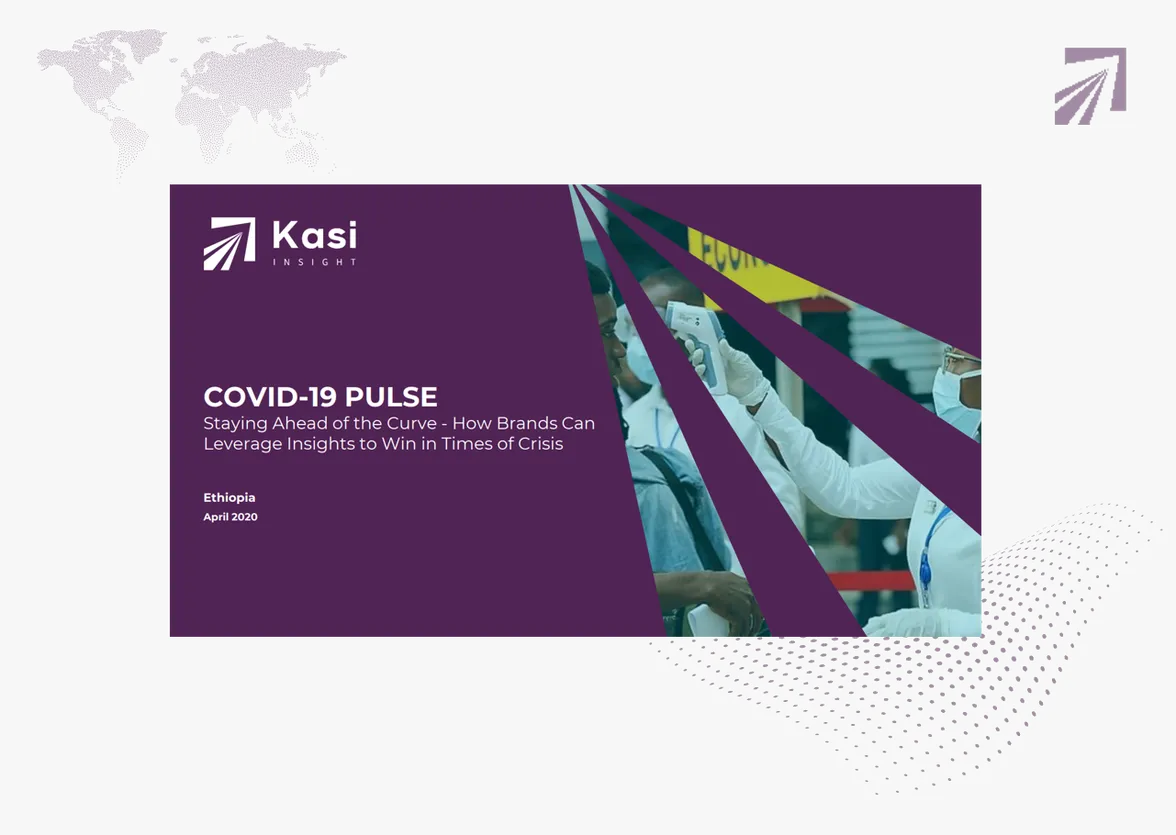
Overview The report, titled "COVID-19 PULSE: Staying Ahead of the Curve - How Brands Can Leverage Insights to Win in Times of Crisis," focuses on tracking the impact of COVID-19 on African consumers' attitudes and…
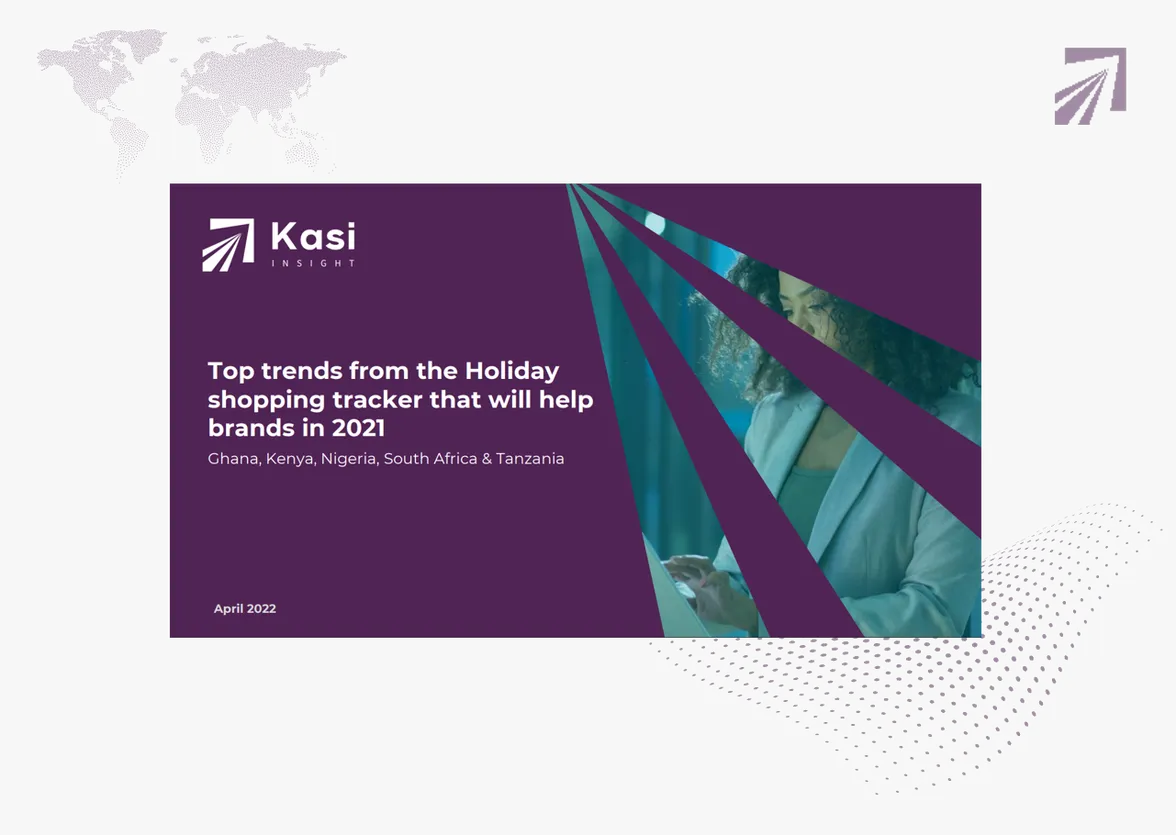
Overview The report titled "Top Trends from the Holiday Shopping Tracker that Will Help Brands in 2021" provides insights into consumer behavior during the holiday season in Ghana, Kenya, Nigeria, South Africa, and Tanzania. The…
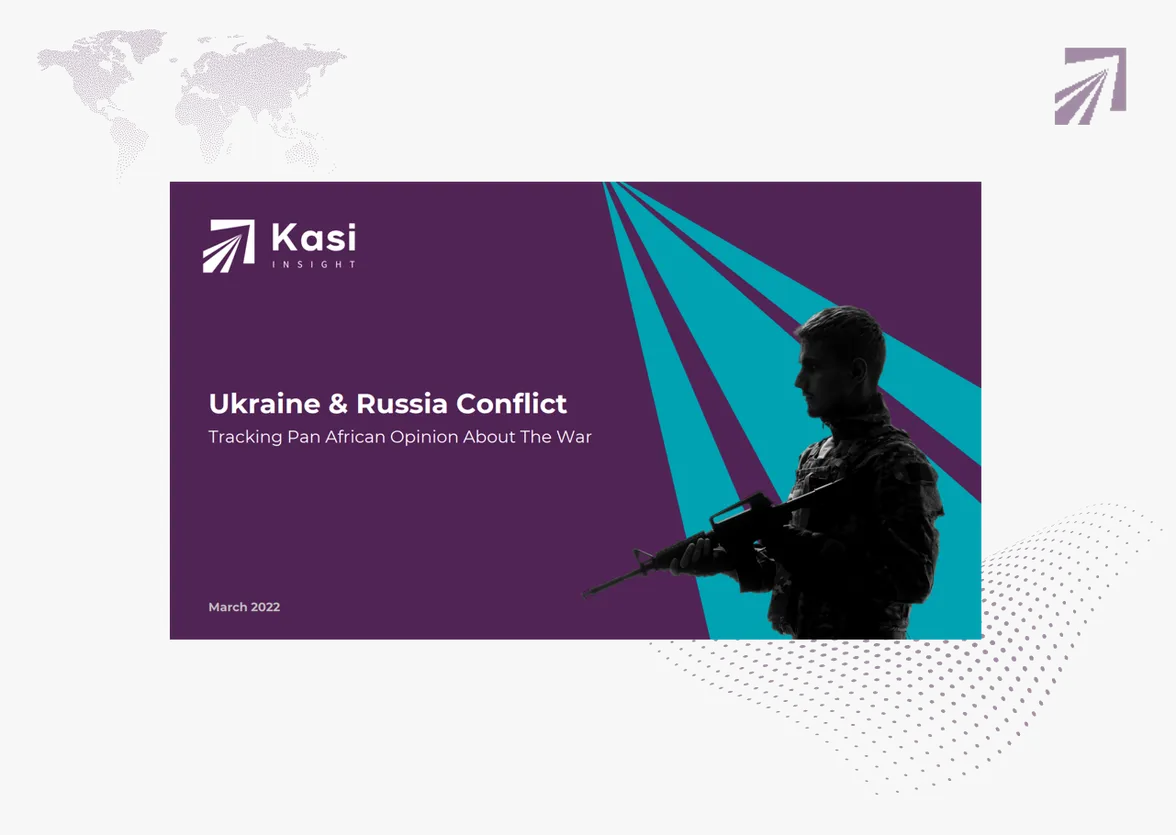
Overview The report titled "Ukraine & Russia Conflict - March 2022: Tracking Pan African Opinion About The War" provides insights into the awareness, opinions, and responses of Africans regarding the conflict between Ukraine and Russia.…
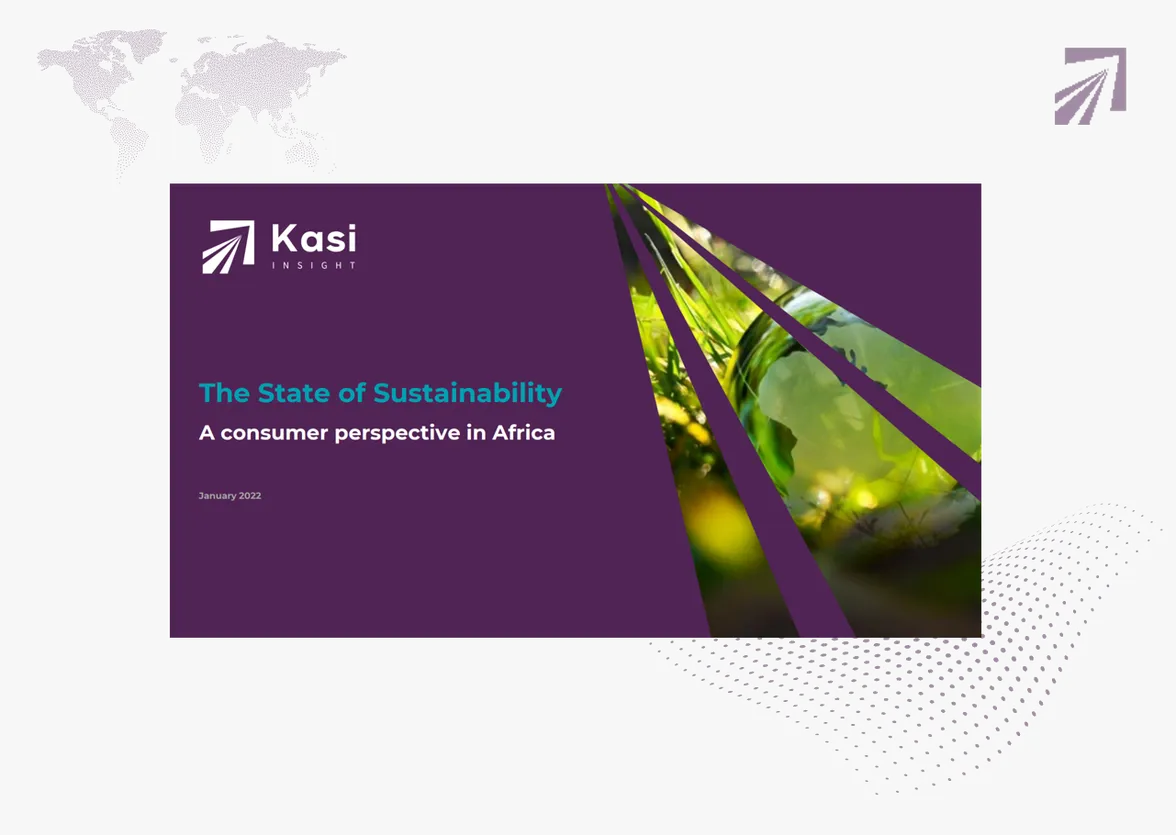
Overview The "State of Sustainability" report for January 2022 provides a comprehensive understanding of consumer perspectives on sustainability in Africa. The report delves into climate awareness, sustainability as a purchase driver, and the overall sustainability…
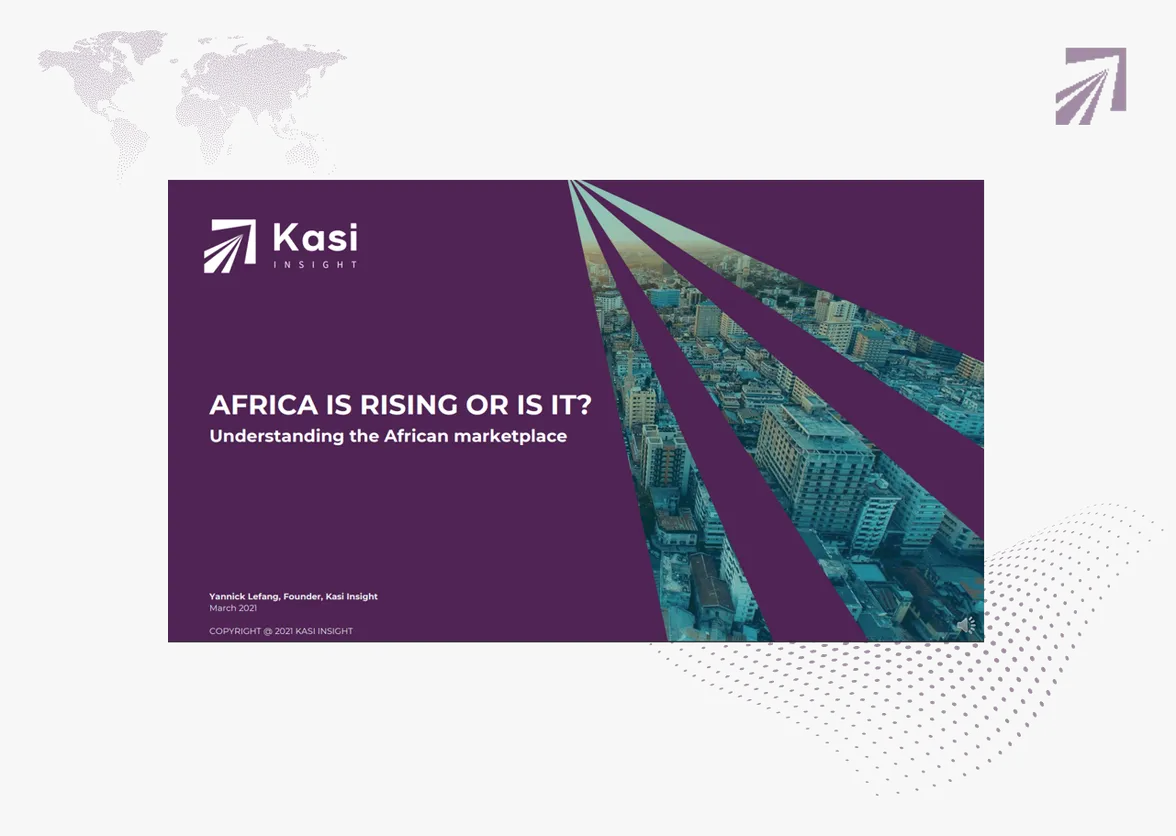
Overview The "Africa Is Rising or Is It?" report, authored by Yannick Lefang, Founder of Kasi Insight, delves into the dynamics of the African marketplace, exploring the factors driving and hindering its growth. Published in…
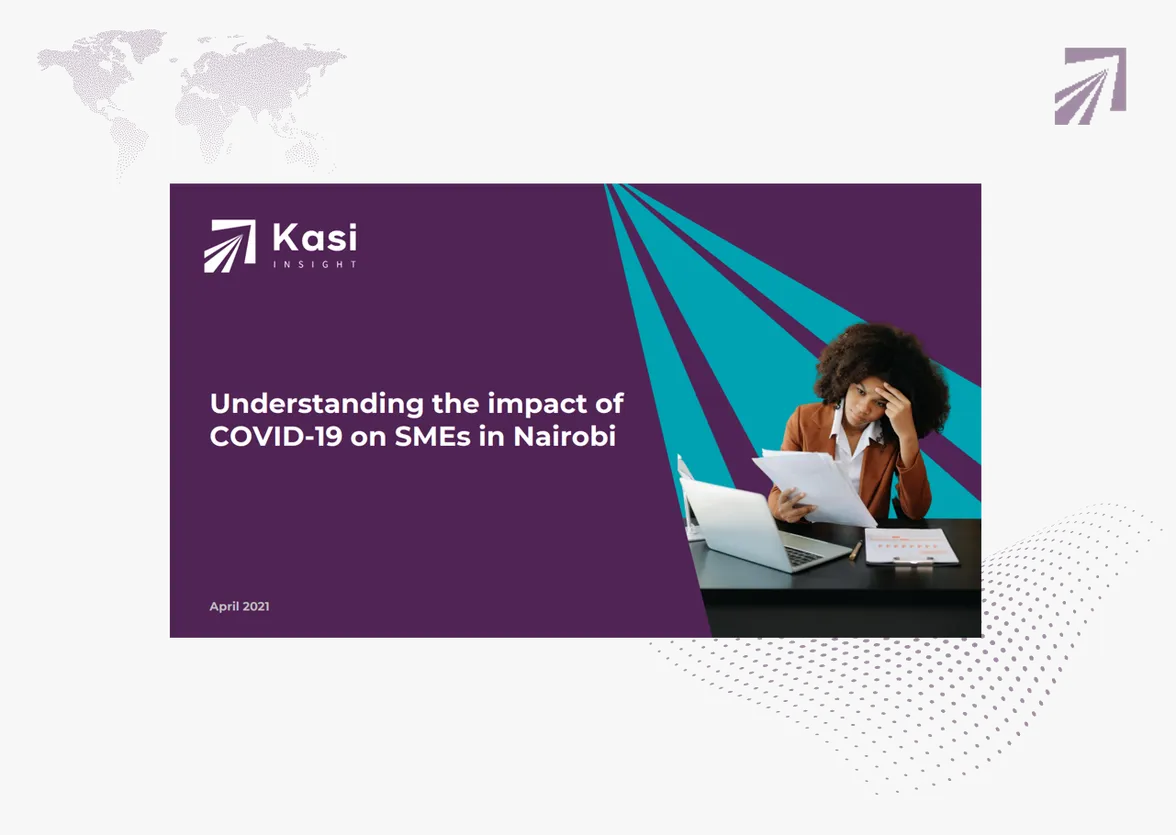
Overview The report, "Understanding the Impact of COVID-19 on SMEs in Nairobi," conducted in April 2021, delves into the economic repercussions of the pandemic on Small and Medium Enterprises (SMEs) in the Nairobi region. The…
This insightful Trendsetter Series webinar was held on February 23, 2021. This session delved into the financial implications of climate risk for institutions across Africa. Exploring the nuances of climate risk, an introduction to the…
This is a thought-provoking Trendsetter Series webinar held on February 23, 2021. The session, led by a distinguished executive in Africa, delved into the pandemic's impact on the future of work, exploring key facets. The…
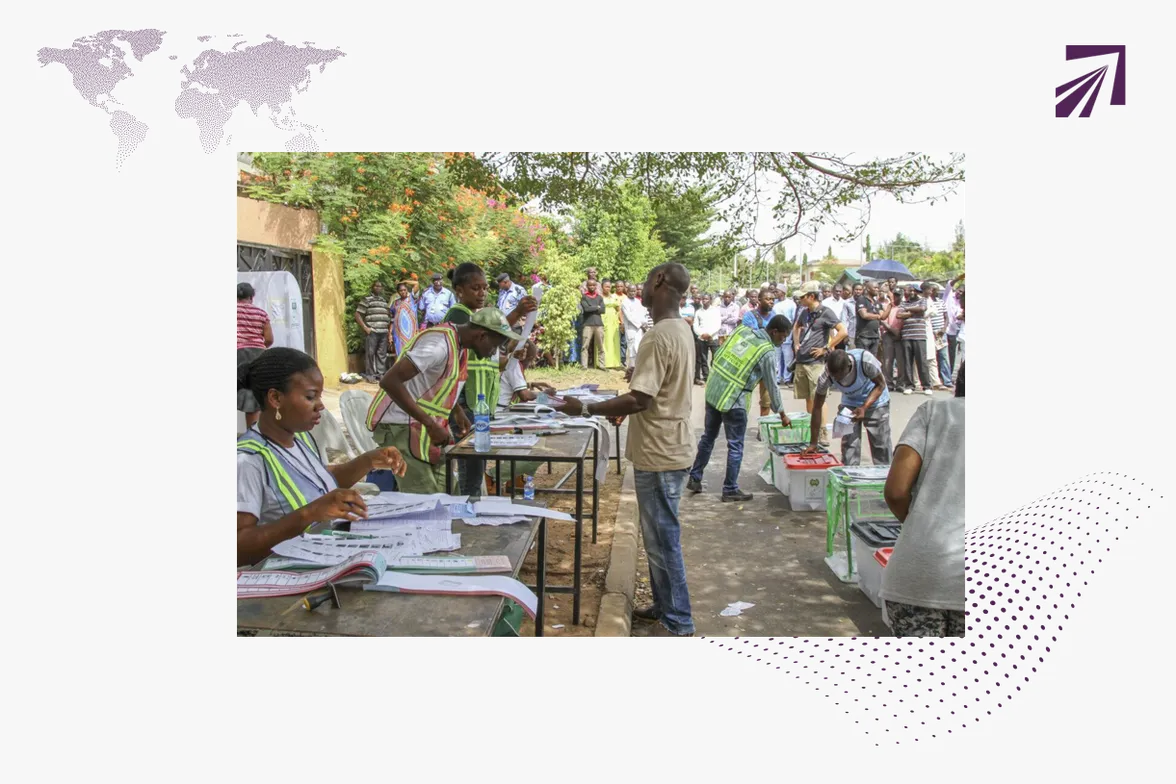
The white paper investigates the correlation between the consumer confidence index (CCI) and consumer demand during election cycles in Africa. Focused on Ghana, Kenya, and Ivory Coast, it explores how CCI acts as a predictor…
The white paper "How SMEs Can Thrive with Reliable Data," authored by Kasi Insight in August 2020, focuses on the challenges faced by African small and medium enterprises (SMEs) amidst the COVID-19 pandemic and how…
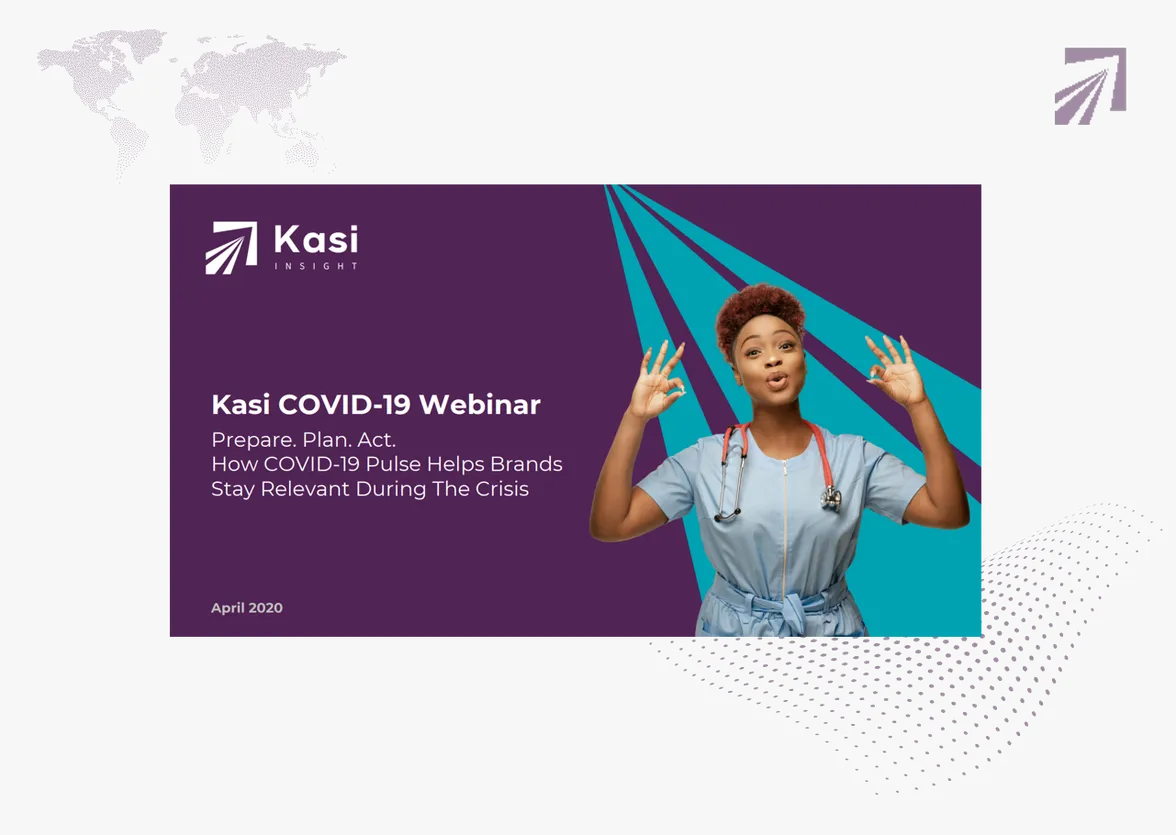
Overview The Kasi COVID-19 Webinar Report, conducted in April 2020, delves into the impact of the pandemic on African attitudes and behaviors. Kasi Insight, as Africa's leading Decision Intelligence company, utilized a comprehensive approach, combining…
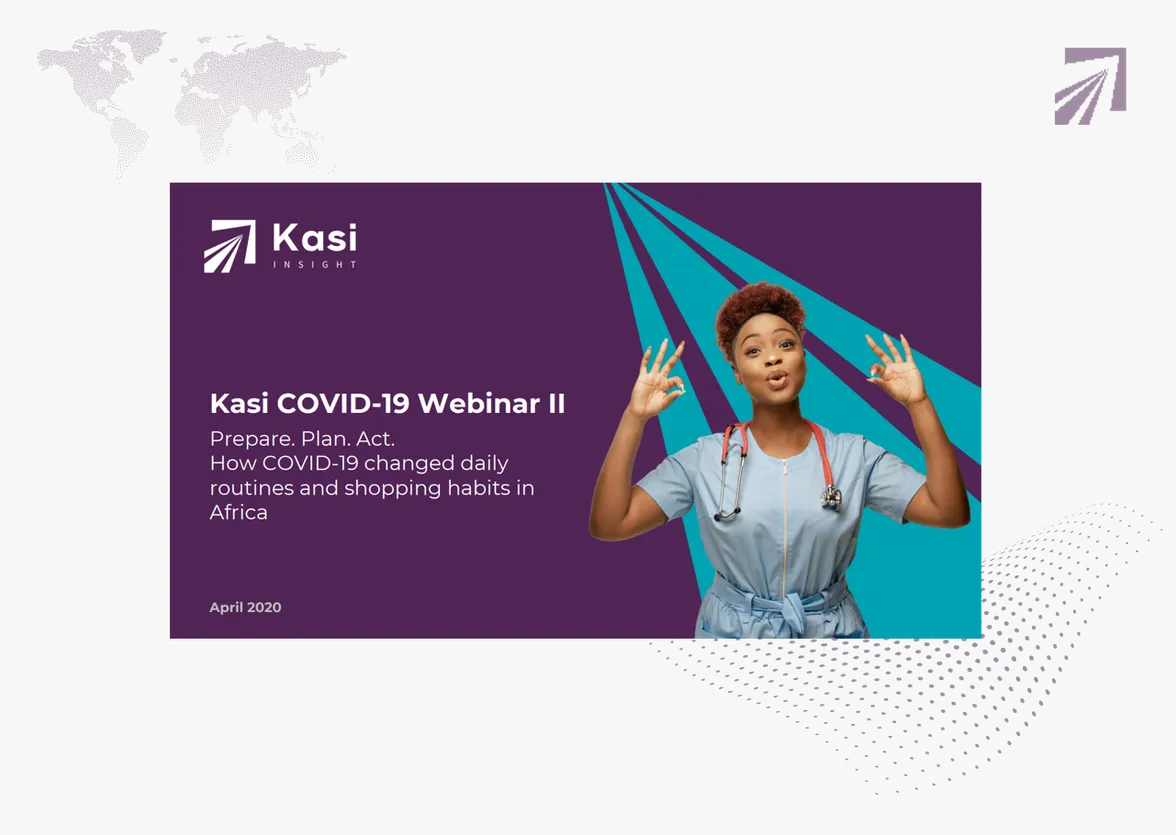
Overview The Kasi COVID-19 Webinar II, conducted in April 2020, delves into the profound impact of the pandemic on daily routines and shopping habits in Africa. Kasi Insight, as Africa's leading Decision Intelligence company, employs…
Tell us what your business needs to understand, and we'll recommend the appropriate approach.