Health & Wellness
Hygiene has the demand, skin care, hair care and beauty have the momentum
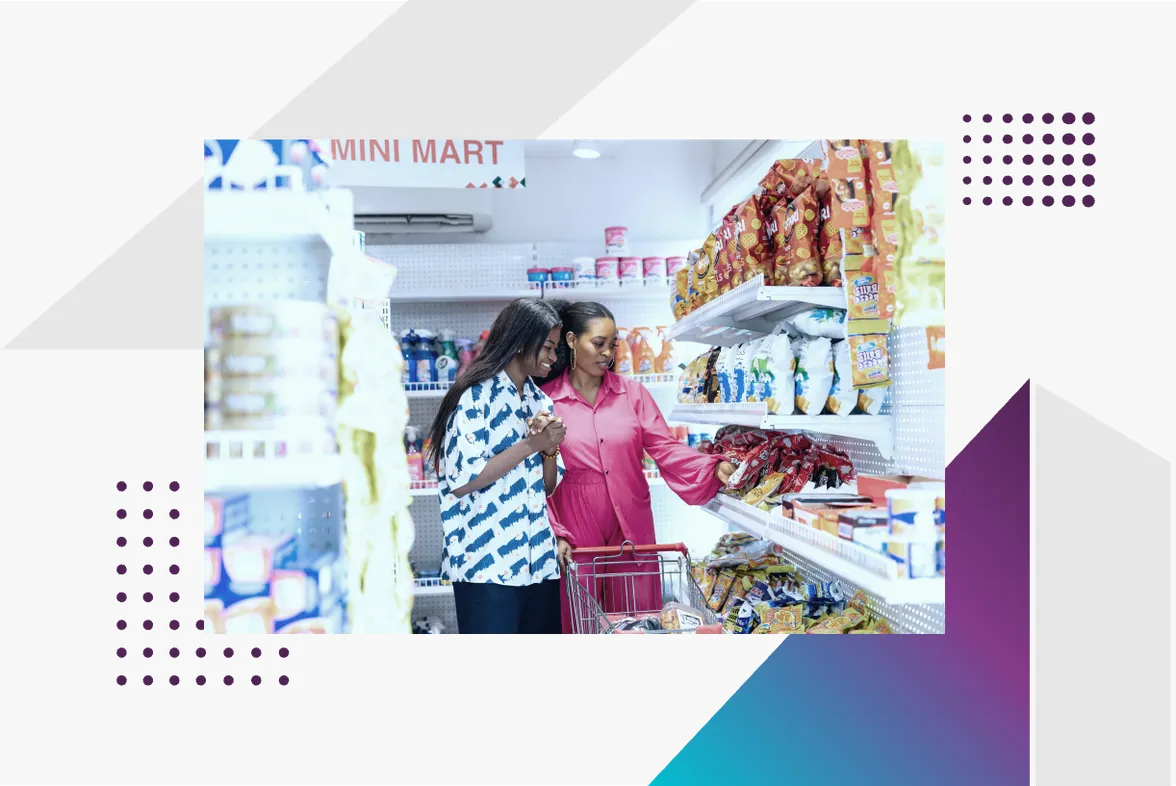
Personal Hygiene remains the strongest demand pool in Personal Care. But Skin Care, Hair Care and Beauty are gaining ground.
Read the articleAnalysis from Kasi analysts, built on Kasi's own consumer data and the wider economic picture.
Personal Hygiene remains the strongest demand pool in Personal Care. But Skin Care, Hair Care and Beauty are gaining ground.
Read the articleMost businesses will enter 2027 with a brand tracker in one hand, sales history in the other, and a set of assumptions about what happens next. The real risk is not making those assumptions. It is failing to monitor whether they are still true.
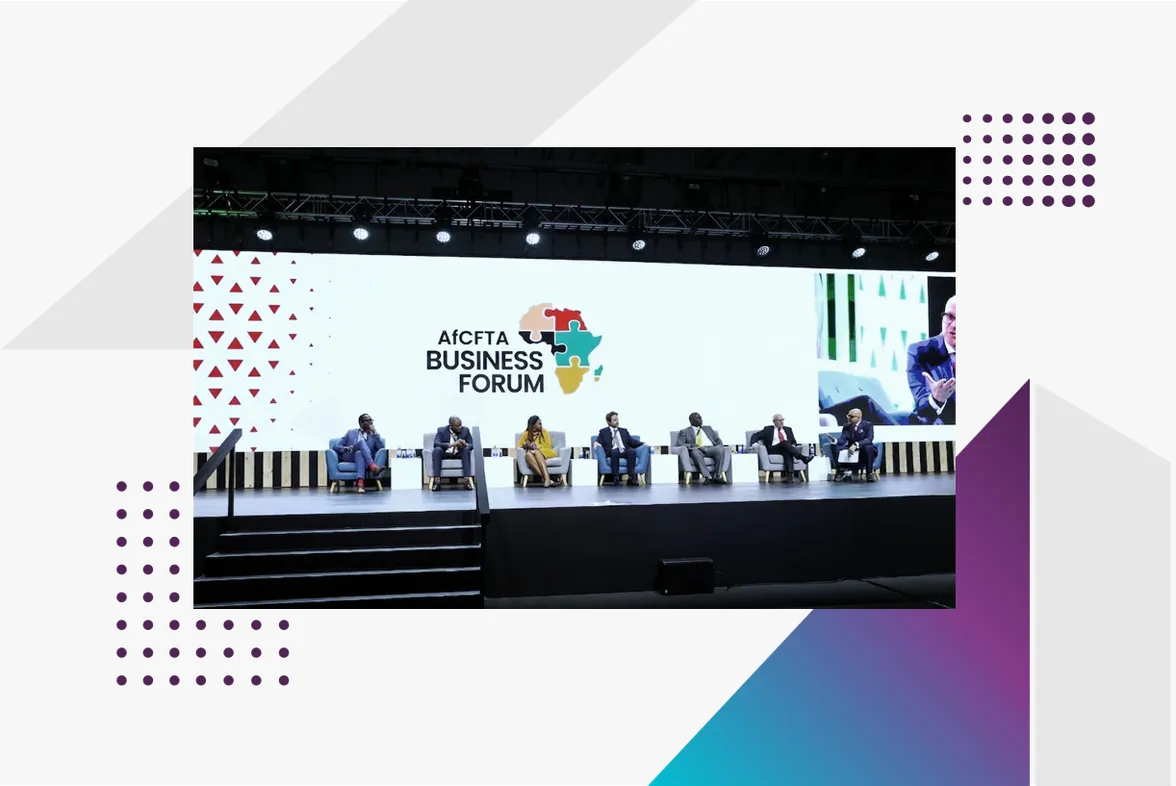
Most African countries still rely more on external partners, leaving regional demand and production capacity largely untapped. Stronger regional supply chains can reduce exposure to global shocks while unlocking new growth.
For decades, marketers have been taught that brand loyalty is the ultimate measure of success. Companies invest millions of dollars building awareness, strengthening brand equity and increasing customer loyalty, believing that consumers who love a…
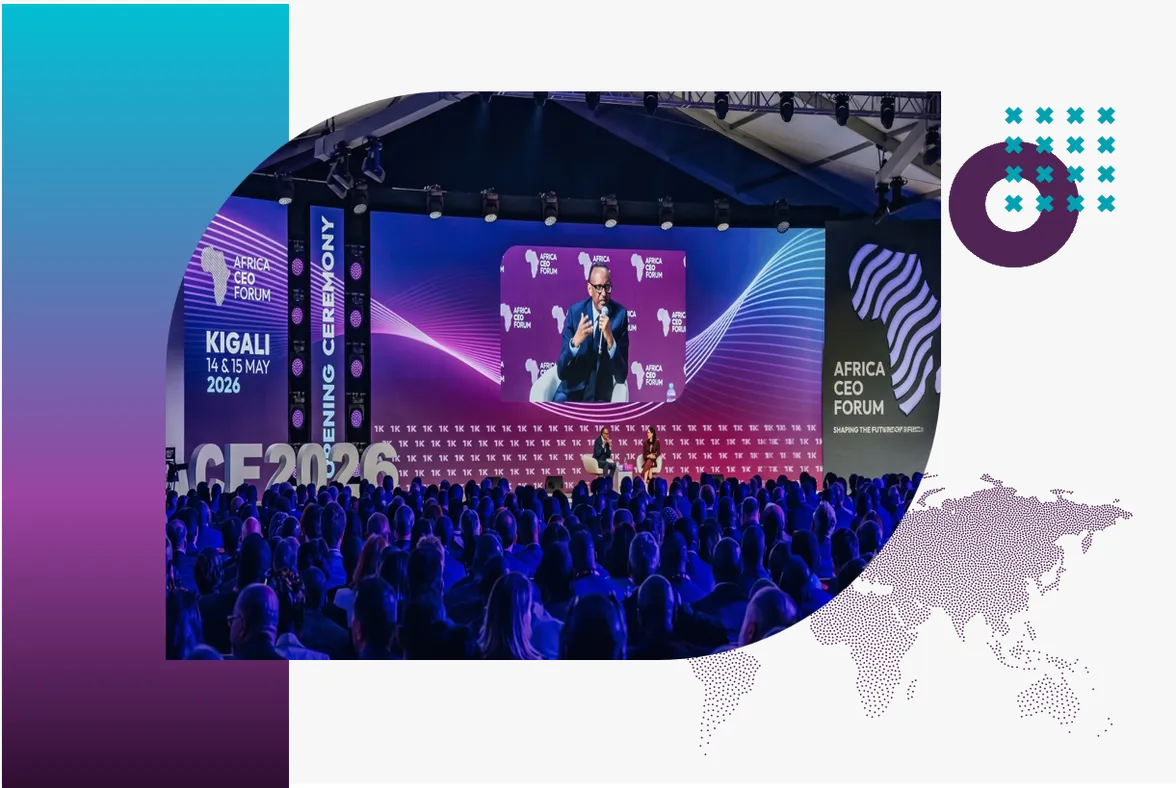
At this year’s Africa CEO Forum 2026, one message stood above the rest: Africa cannot achieve meaningful economic transformation without scale. The forum’s central argument was both compelling and timely: African businesses need to open…
The next frontier for AI in Africa is not just building smarter models but enabling smarter, real-world decisions. Decision intelligence can turn data into action where it matters most from health and agriculture to education and public services.
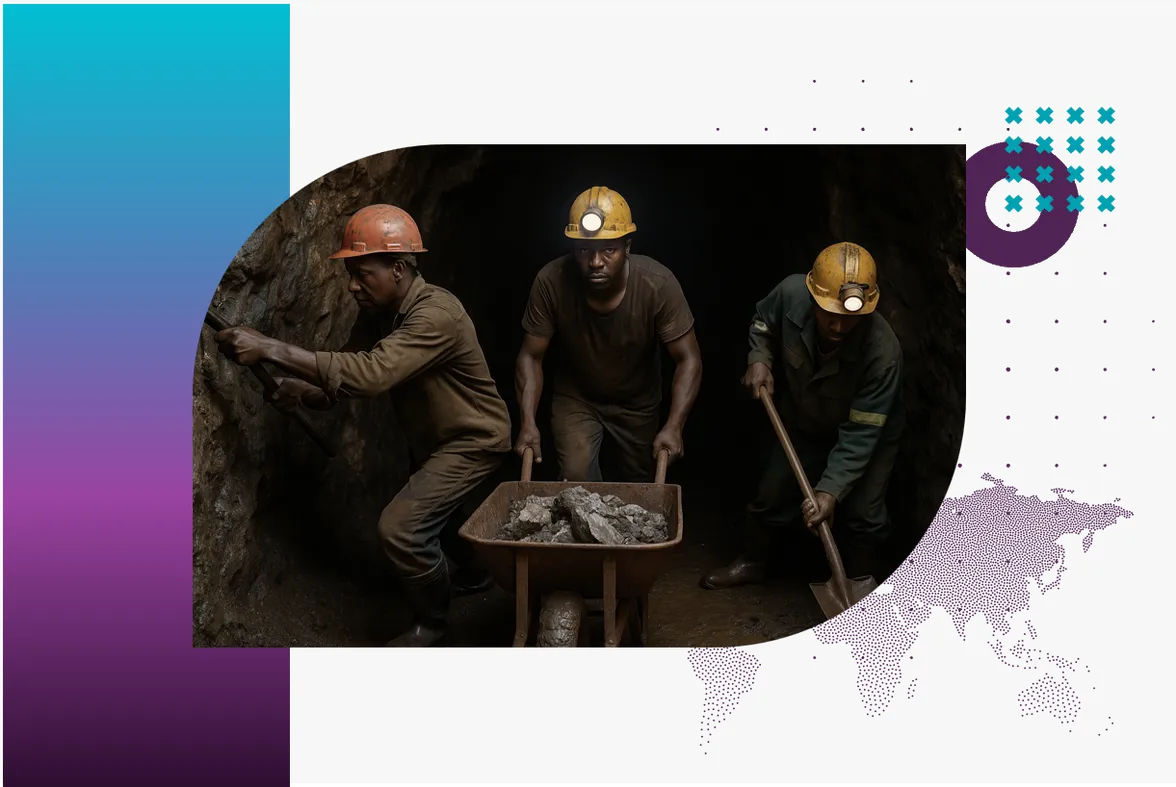
Africa supplies essential minerals that power clean energy and technology worldwide, but most of the value still leaves the continent. As policies and consumer expectations evolve, there is a chance to build industries that deliver prosperity.
Most Ghanaians believe businesses are not doing enough on climate, with middle and low-income groups most dissatisfied. Consumers expect action through sustainable products, clean technology, and stronger climate advocacy.
Ghanaian consumers value eco-friendly packaging and natural ingredients, but show limited support for broader corporate sustainability. Brands must make sustainability tangible and tailored to generational needs.
Climate literacy is growing among Nigerians, but concern and action vary by generation. While Millennials are both informed and engaged, Gen Z remains the most aware yet emotionally detached, highlighting the need for identity-driven climate engagement.
Cameroonian consumers increasingly prioritize sustainable food and product choices, but trust in farmers' environmental practices remains limited. Gender-specific values shape these preferences, highlighting the need for tailored communication.
In Tanzania, relationship roles and conflict resolution are shifting in response to income and age. As expectations evolve, the way people relate, adapt, and manage tension reflects deeper social and emotional divides.
In Tanzania, gender shapes how people respond to climate change. Women focus on lifestyle changes while men lean toward structural and policy-driven solutions, pointing to the need for gender-responsive climate strategies.
Canadian consumer confidence has remained slightly negative over the past year, suggesting voters are cautious but not seeking drastic change. With steady sentiment and a preference for stability, the Liberal Party is poised for victory in the elections.
In Ivory Coast, financial fairness remains a challenge, with Gen Z the least satisfied. Traditional gender roles still shape responsibilities, but younger generations are starting to push back.
Businesses that embed sustainability into their strategy are more resilient, innovative, and future-proof. By balancing short-term agility with long-term vision, companies can thrive in an era of conscious capitalism.
On October 9th, 2023, we embarked on a journey to decode the Consumer Confidence Index, navigate the cost-of-living surge, track the Retail Index, and redefine the holiday shopping experience. Now, you can dive deep into…
This exclusive webinar, "The State of the African Marketer," was presented by Kasi Insight on October 27, 2022. A thought-provoking discussion explored the realities, challenges, and opportunities faced by African marketers. Dive into the discussions…
Missed out on our insightful webinar, held on October 22, 2022? This engaging discussion dissected critical challenges surrounding consumer sentiment and its evolution over the past two years, shedding light on the implications for purchase…
Ever wondered how to overcome inflation for brand competitiveness in Ethiopia? Kasi insight's webinar, done on August 12, 2022, tackles inflation and bolsters brand competitiveness in Ethiopia This insightful discussion delved into the effects of…
Missed our webinar on June 27, 2022, exploring how African marketers can leverage consumer sentiment to boost sales? This insightful discussion focused on understanding the dynamics of consumer sentiment and its impact on purchase decisions…
This insightful Trendsetter Series webinar was held on February 23, 2021. This session delved into the financial implications of climate risk for institutions across Africa. Exploring the nuances of climate risk, an introduction to the…
This is a thought-provoking Trendsetter Series webinar held on February 23, 2021. The session, led by a distinguished executive in Africa, delved into the pandemic's impact on the future of work, exploring key facets. The…
Tell us what your business needs to understand, and we'll recommend the appropriate approach.