Health & Wellness
Hygiene has the demand, skin care, hair care and beauty have the momentum
Personal Hygiene remains the strongest demand pool in Personal Care. But Skin Care, Hair Care and Beauty are gaining ground.
Read the articleAnalysis from Kasi analysts, built on Kasi's own consumer data and the wider economic picture.
Personal Hygiene remains the strongest demand pool in Personal Care. But Skin Care, Hair Care and Beauty are gaining ground.
Read the articleMost businesses will enter 2027 with a brand tracker in one hand, sales history in the other, and a set of assumptions about what happens next. The real risk is not making those assumptions. It is failing to monitor whether they are still true.
Most African countries still rely more on external partners, leaving regional demand and production capacity largely untapped. Stronger regional supply chains can reduce exposure to global shocks while unlocking new growth.
For decades, marketers have been taught that brand loyalty is the ultimate measure of success. Companies invest millions of dollars building awareness, strengthening brand equity and increasing customer loyalty, believing that consumers who love a…
Ghanaian consumers value eco-friendly packaging and natural ingredients, but show limited support for broader corporate sustainability. Brands must make sustainability tangible and tailored to generational needs.
Kenya’s consumer market is shifting toward intentional spending, holistic wellbeing, and environmentally conscious choices. This evolution challenges brands to move beyond visibility and deliver meaningful, purpose-led value.
Climate literacy is growing among Nigerians, but concern and action vary by generation. While Millennials are both informed and engaged, Gen Z remains the most aware yet emotionally detached, highlighting the need for identity-driven climate engagement.
Inflation is reshaping how South Africans live, spend, and cope, with stress levels rising across all income groups. Consumers are cutting back on essentials and rethinking everyday choices, creating a critical moment for brands to show empathy and value.
Cameroonian consumers increasingly prioritize sustainable food and product choices, but trust in farmers' environmental practices remains limited. Gender-specific values shape these preferences, highlighting the need for tailored communication.
Inflation in Nigeria is hitting low-income households hardest, with 72% reporting worsening conditions and 92% resorting to borrowing to cover daily expenses. While Gen Z appears more resilient, borrowing has become a coping strategy across all segments.
In Tanzania, relationship roles and conflict resolution are shifting in response to income and age. As expectations evolve, the way people relate, adapt, and manage tension reflects deeper social and emotional divides.
Africa’s growth story is being written by connected, complex, and fast-moving consumers. The real game changer is localized data that turns market noise into business clarity.
Consumer sentiment in Africa improved slightly in April, driven by stronger future expectations and rising confidence in income and personal finances. However, household spending and job outlooks remained bleak.
Africa’s economic recovery hinges on restoring consumer confidence, which has dropped sharply according to Kasi Insight’s CCI. CEOs must lead this recovery by aligning business strategy with household realities, trust-building, and data-driven action.
In Tanzania, gender shapes how people respond to climate change. Women focus on lifestyle changes while men lean toward structural and policy-driven solutions, pointing to the need for gender-responsive climate strategies.
Airtel Africa has partnered with Starlink to expand satellite internet access across 14 African countries. While the deal offers short-term gains in access, it raises deeper questions about ownership and long-term control.
Overview This whitepaper explores the challenges Kenyan banks face in meeting the needs of Generation Z, a tech-savvy, digital-first demographic that is reshaping the landscape of financial services. The study delves into the misalignment between…
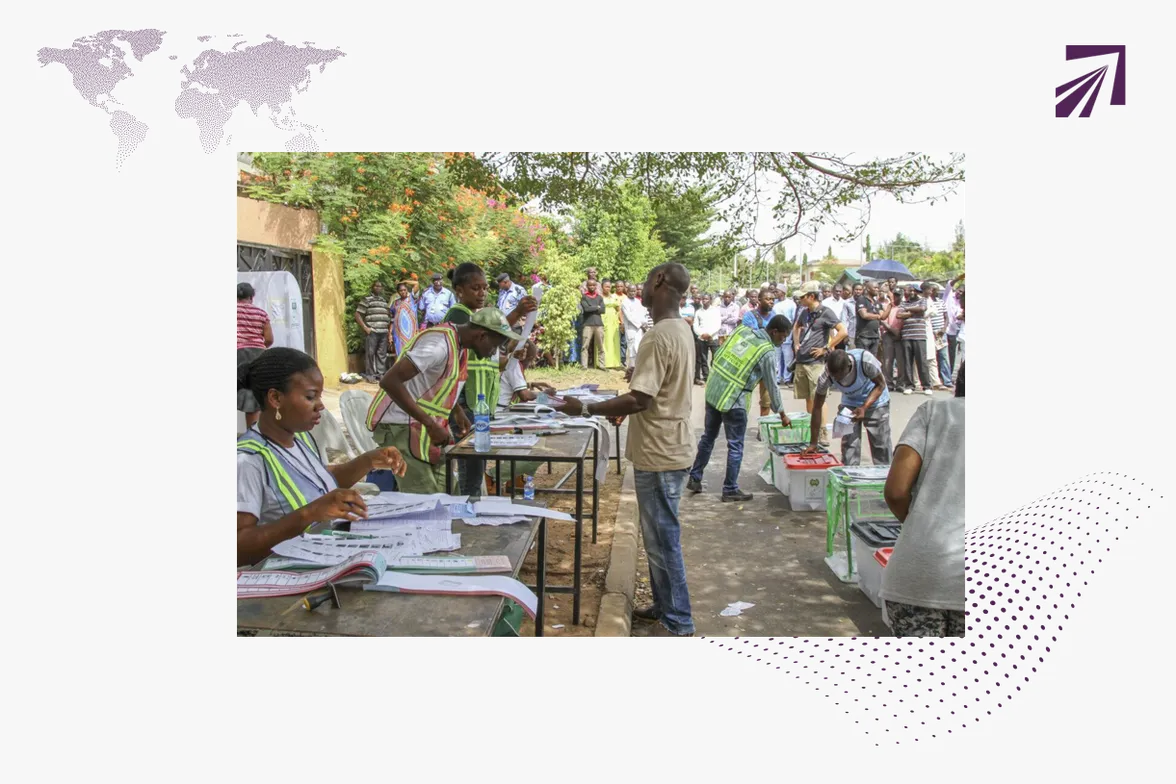
Overview The white paper by Kasi Insight examines the predictive power of consumer sentiment in forecasting election outcomes, specifically focusing on the Democratic Republic of Congo (DRC). It utilizes the Kasi Index of Consumer Sentiment…
The white paper investigates the correlation between the consumer confidence index (CCI) and consumer demand during election cycles in Africa. Focused on Ghana, Kenya, and Ivory Coast, it explores how CCI acts as a predictor…
The white paper "How SMEs Can Thrive with Reliable Data," authored by Kasi Insight in August 2020, focuses on the challenges faced by African small and medium enterprises (SMEs) amidst the COVID-19 pandemic and how…
Tell us what your business needs to understand, and we'll recommend the appropriate approach.