Health & Wellness
Hygiene has the demand, skin care, hair care and beauty have the momentum
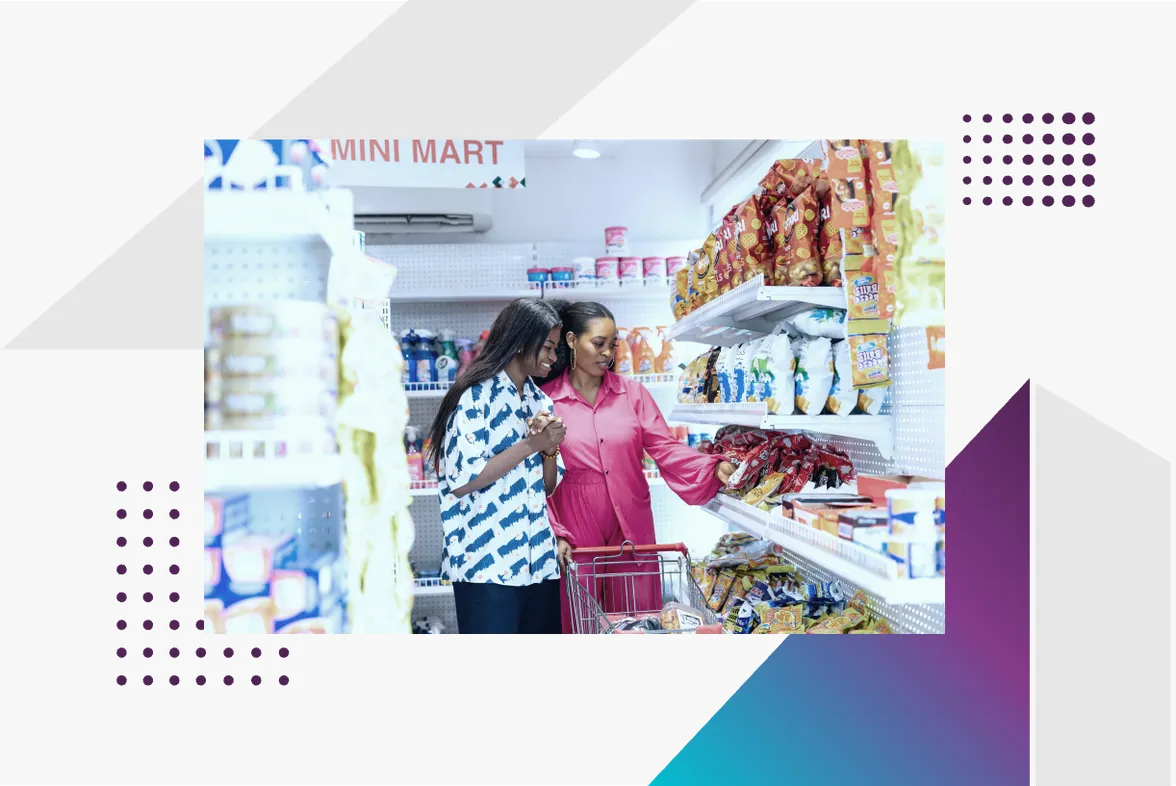
Personal Hygiene remains the strongest demand pool in Personal Care. But Skin Care, Hair Care and Beauty are gaining ground.
Read the articleAnalysis from Kasi analysts, built on Kasi's own consumer data and the wider economic picture.
Personal Hygiene remains the strongest demand pool in Personal Care. But Skin Care, Hair Care and Beauty are gaining ground.
Read the articleMost businesses will enter 2027 with a brand tracker in one hand, sales history in the other, and a set of assumptions about what happens next. The real risk is not making those assumptions. It is failing to monitor whether they are still true.
Most African countries still rely more on external partners, leaving regional demand and production capacity largely untapped. Stronger regional supply chains can reduce exposure to global shocks while unlocking new growth.
For decades, marketers have been taught that brand loyalty is the ultimate measure of success. Companies invest millions of dollars building awareness, strengthening brand equity and increasing customer loyalty, believing that consumers who love a…
Kasi Insight's Media Consumption Tracker reveals a predominant shift towards digital media among Generation Z in Africa, with significant variations across countries in their preferences for digital versus traditional media.
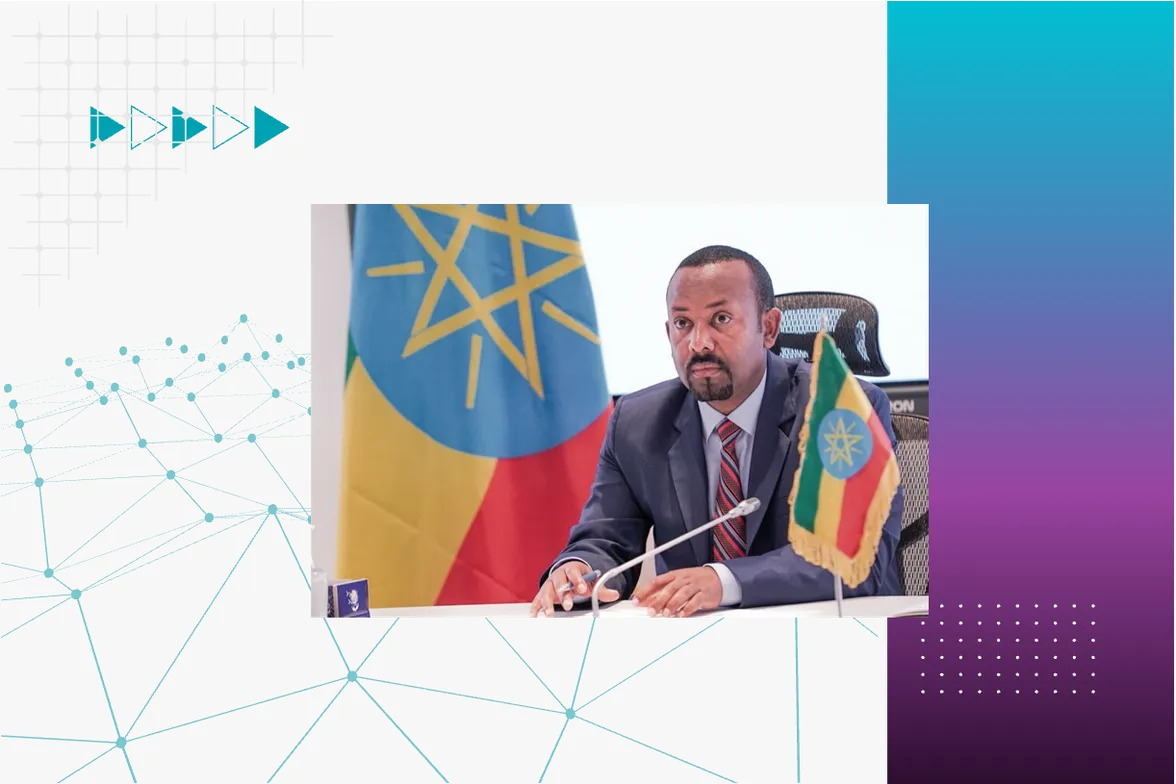
Ethiopia has initiated significant economic reforms, including devaluing its currency and adopting a market-driven exchange rate, to attract foreign investment and secure international financial aid.
Leveraging both transactional and behavioral data is essential for retailers to understand and navigate Africa's unique blend of formal and informal markets. Kasi Insight provides monthly behavioral data surveys to help make informed strategic decisions.
Kenyan youth focus on essentials, balancing affordability and quality in their spending In May 2024, Kasi Insight conducted a Share of Wallet survey across 21 diverse African markets, providing valuable insights into various aspects of consumer spending.
In May 2024, Kasi Insight's survey showed that in Ivory Coast, Millennials and Gen Z spend heavily on essentials, use mobile phones widely, but face a significant digital divide in home internet access.
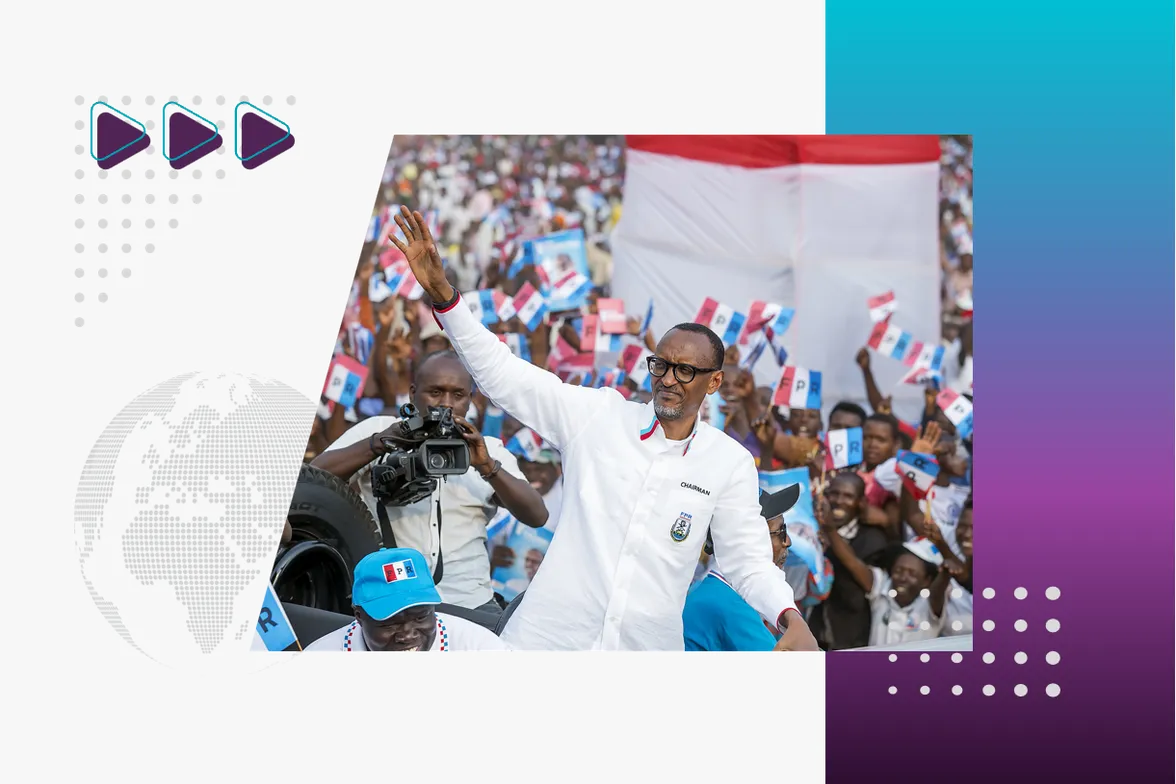
Rwanda's 2024 elections, marked by a record 98% voter turnout, reaffirmed President Paul Kagame’s leadership with a sweeping victory amid international scrutiny over the competitiveness of the electoral process.
In May 2024, Kasi Insight's Share of Wallet survey in Senegal revealed that consumers prioritize affordability and quality in their monthly purchases of staple grains, meat/fish, and bread/rolls.
In June, consumer confidence in Africa fell for the third month, driven by declines in current and future conditions. Household spending and job prospects saw significant drops, with mixed regional sentiment.
In Tanzania, younger demographics face challenges in employment and income generation, leading many to frequently borrow for daily expenses, highlighting financial strain. Despite this, there is optimism about meeting expenses and achieving income growth
Kasi Insight’s data in Q1 2024 shows stabilized essential spending in Uganda after a turbulent 2023, creating opportunities for FMCGs. Despite price hikes, especially for Gen Z, consumers remain adaptable and resilient.
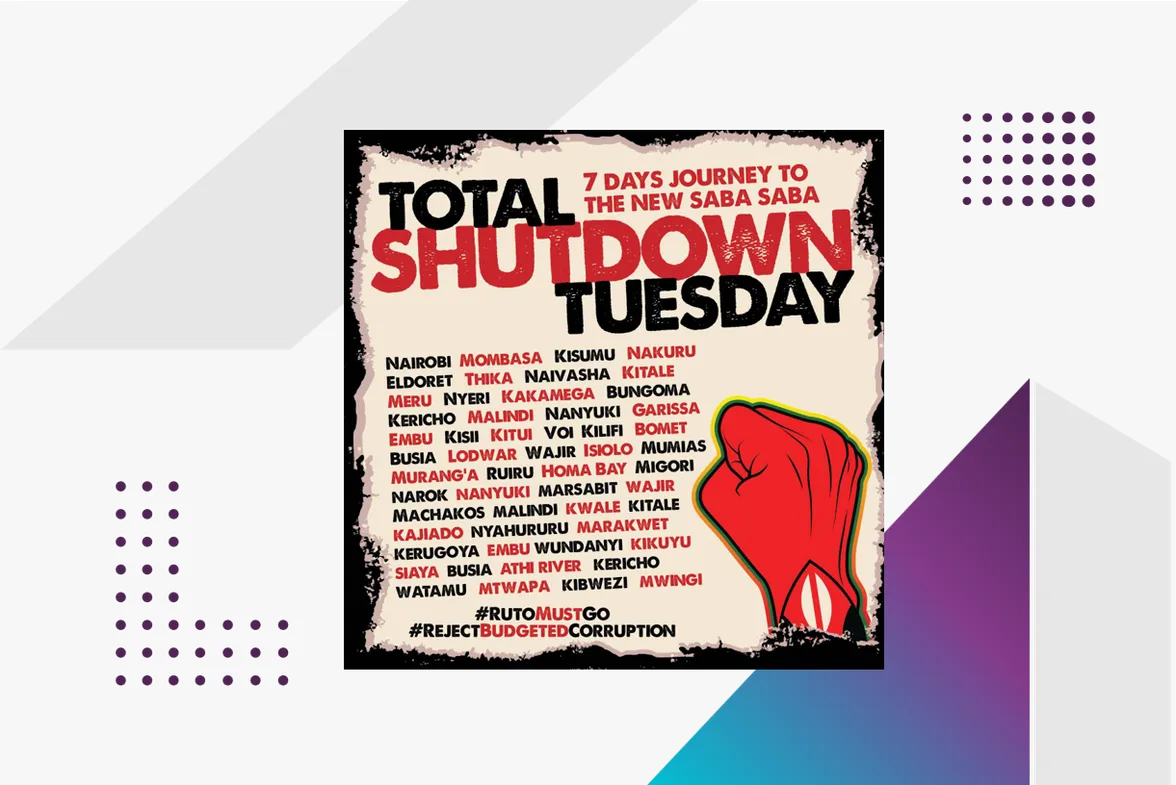
Kenya's recent protests highlight the power of digital platforms in mobilizing and uniting citizens beyond traditional boundaries. This digital uprising demonstrated how social media can drive social change and challenge established power structures.
In May, Africa's consumer confidence declined by 7 points, with broad decreases in both future and current conditions, and most household indices fell, except for a slight improvement in job prospects and stable household spending.
Mapping Indian Owned/Operated Companies in Africa By graphing the footprint of Indian companies in Africa, we gain valuable insights into the strategic decisions, regional focus, and the profound impact these entities have on the socio-economic…
Mapping Russian Corporate Presence in Africa Russia's comeback in Africa, especially under Putin's direction, signifies a dramatic change in world geopolitics. The federation's strategic involvement on the continent includes political, security, and diplomatic aspects in…
Mapping German Corporate Presence in Africa A comprehensive map highlighting the extensive influence of German companies across Africa reveals a strategic engagement that spans multiple key industries. The top five countries – South Africa, Kenya,…
Chinese investments in Africa reflect a diverse landscape, encompassing both state-owned enterprises and private companies. This map reflects a multifaceted engagement that goes beyond mere investment. Key Insights Sectoral Concentration - While state-owned enterprises contribute…
Africa has long been a focal point for international trade and investment. Among the various global powers that have established a significant presence in Africa, France holds a prominent position. To better understand the extent…
Unveiling the Presence of US Companies in Africa It is imperative for African nations to understand the competitive landscape they face especially from developed countries. Our initiative to map the presence of US companies in…
Depth and Scope of British Influence Among the prominent powers vying for influence across the continent, Britain emerges with its deep historical ties and linguistic connections. To comprehensively understand the extent of British economic engagement…
Tell us what your business needs to understand, and we'll recommend the appropriate approach.