Health & Wellness
Hygiene has the demand, skin care, hair care and beauty have the momentum
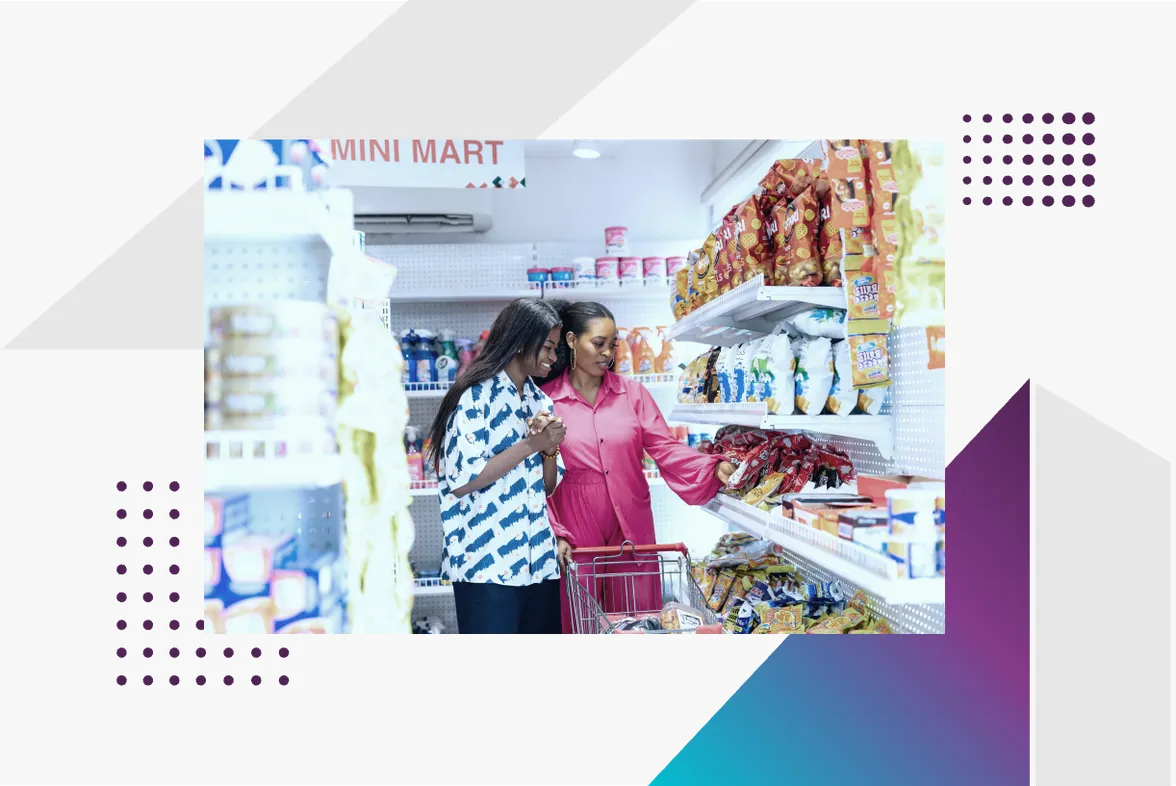
Personal Hygiene remains the strongest demand pool in Personal Care. But Skin Care, Hair Care and Beauty are gaining ground.
Read the articleAnalysis from Kasi analysts, built on Kasi's own consumer data and the wider economic picture.
Personal Hygiene remains the strongest demand pool in Personal Care. But Skin Care, Hair Care and Beauty are gaining ground.
Read the articleMost businesses will enter 2027 with a brand tracker in one hand, sales history in the other, and a set of assumptions about what happens next. The real risk is not making those assumptions. It is failing to monitor whether they are still true.
Most African countries still rely more on external partners, leaving regional demand and production capacity largely untapped. Stronger regional supply chains can reduce exposure to global shocks while unlocking new growth.
For decades, marketers have been taught that brand loyalty is the ultimate measure of success. Companies invest millions of dollars building awareness, strengthening brand equity and increasing customer loyalty, believing that consumers who love a…
Trudeau’s resignation marks a major political shift in Canada, raising questions about the future of Black economic empowerment and Canada-Africa relations. With an election ahead, will his policies be strengthened or scrapped?
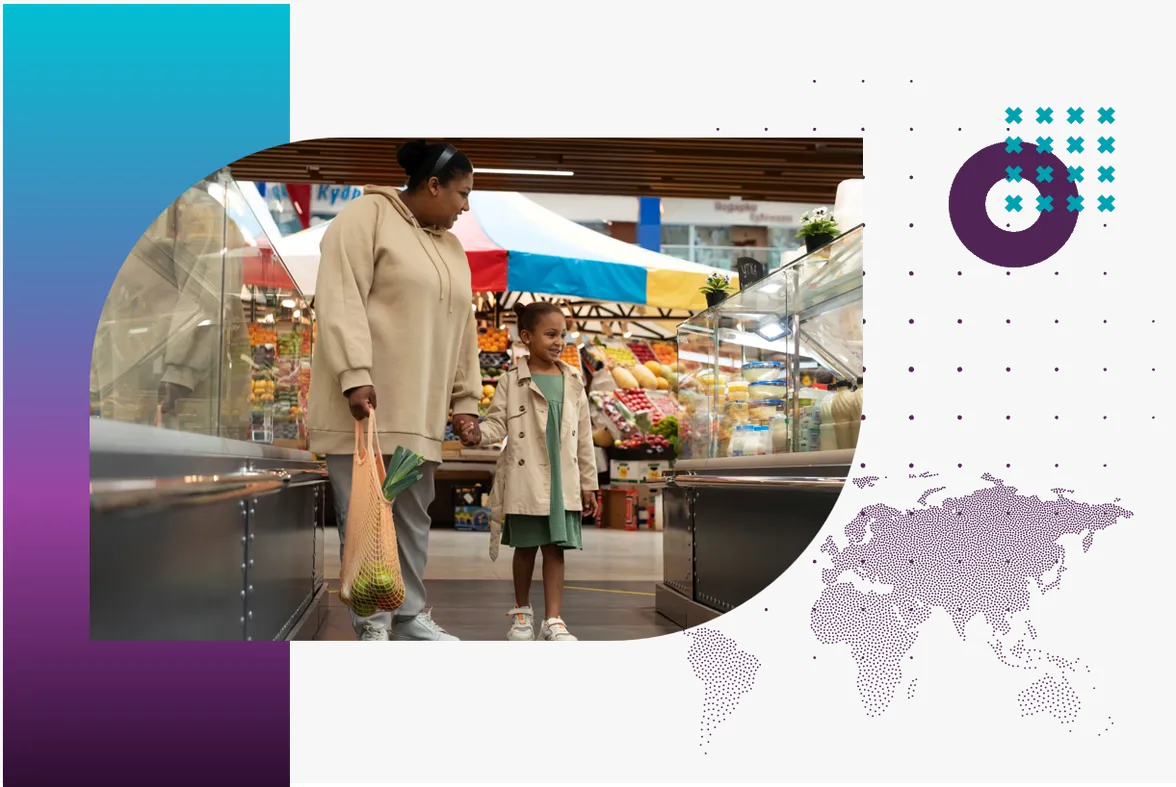
Staples and fresh produce drive food demand in Cameroon, with mid-income consumers favoring cooking oil, low-income groups prioritizing flour, and high-income earners leading in fresh groceries. Affordability remains key, shaping product innovations.
Inflation is driving South Africans to cut back on beauty, food, and entertainment, with younger and middle-income consumers feeling the most pressure. Brands must adapt by offering affordable, value-driven solutions to meet changing consumer needs.
In January, consumer confidence in Africa held steady at 16 points, maintaining the stability of previous months. Job prospects and personal finances improved, but these gains were overshadowed by sharp declines in household and discretionary spending.
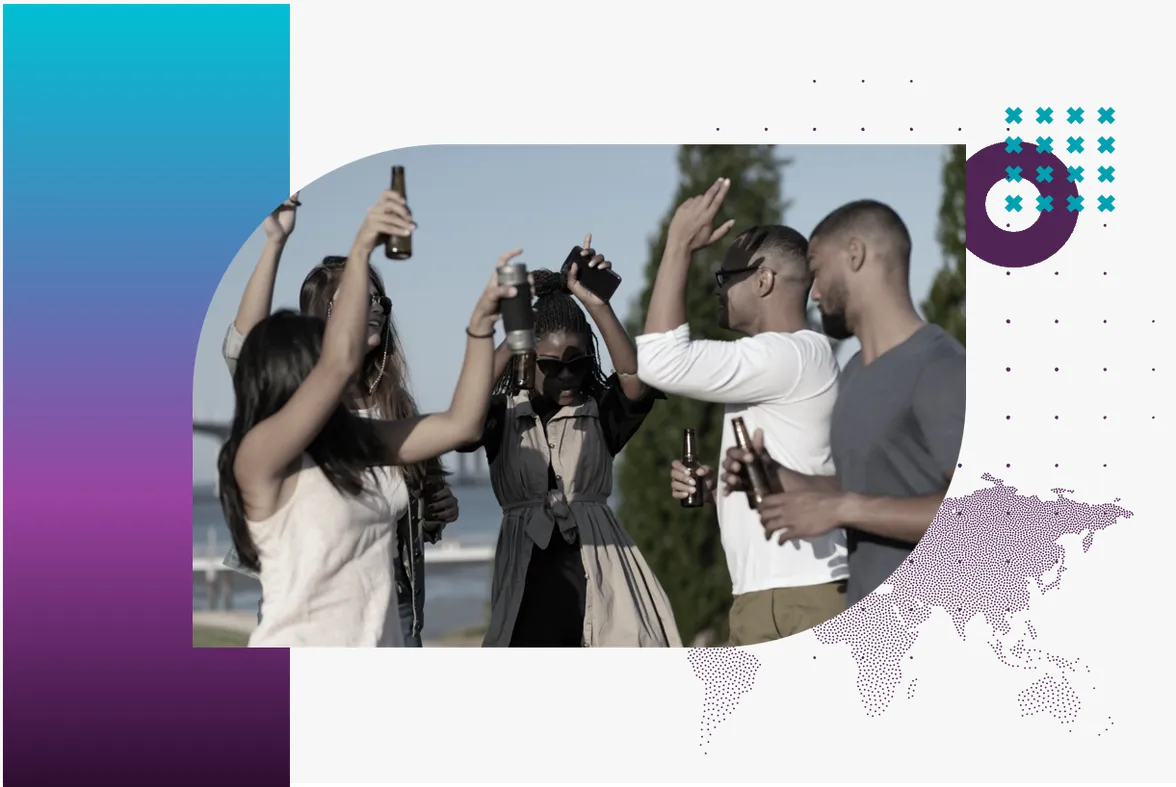
Kenya’s alcoholic beverage market held steady in 2024, with beer and champagne emerging as the key growth drivers while other categories saw declines. The surge in beer demand, largely driven by Gen Z and male consumers, is reshaping market dynamics.
Rising inflation in South Africa continues to impact households, with many still relying on borrowing to meet daily expenses. While financial strain has eased for some, it remains widespread reshaping spending habits and financial stability.
Ivorian consumers rely on both digital and traditional media, with trust levels fluctuating throughout 2024. Digital media peaked at 69% in February but dropped to 45% in July, while traditional media gained traction mid-year.
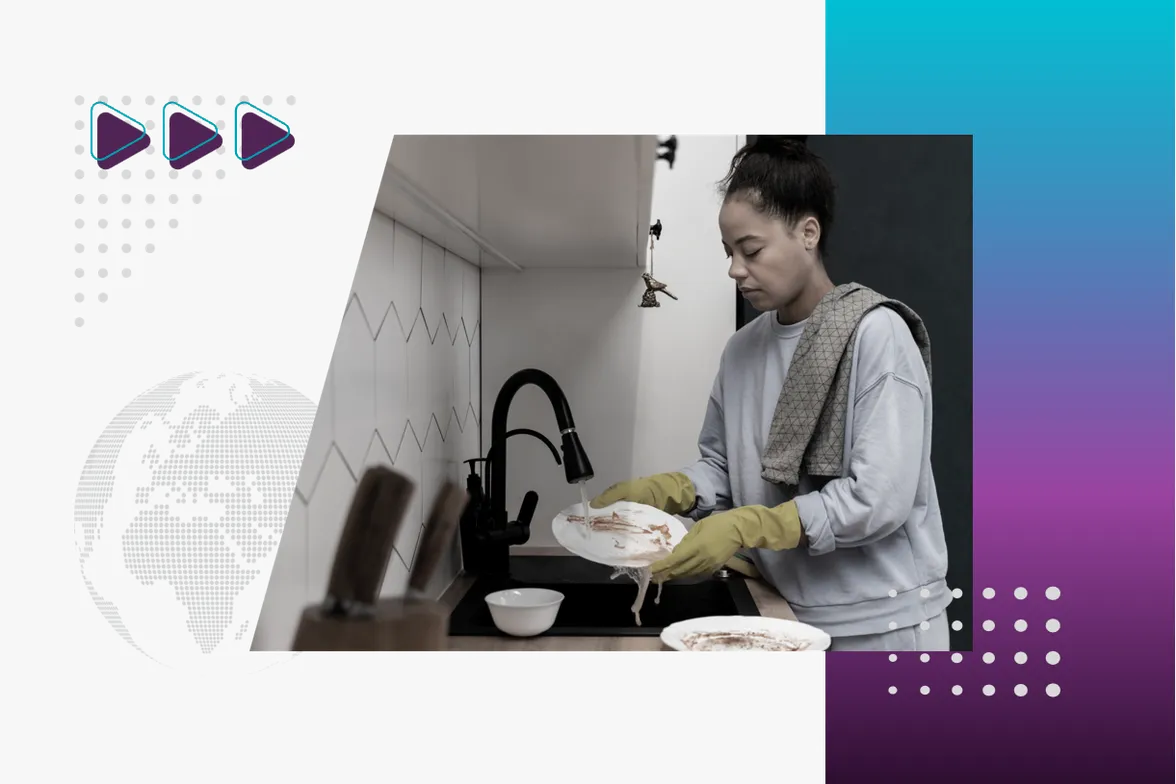
Households in Ivory Coast prioritize dishwasher detergent, oven cleaner, and dishwashing liquid, reflecting evolving cleaning habits. Gen X and Millennials clean more frequently than Gen Z, with women leading in daily usage.
Cameroonian consumers prioritize affordable protein choices, with eggs, yoghurt, and cheese leading household purchases. Younger and low-income consumers are driving frequent protein consumption, shaping market trends.
The fall of DEI programs exposes their superficiality, signaling the need for Black communities to embrace "Do Your Own Thing" (DYOT) by prioritizing economic independence and self-sufficiency for lasting progress.
Rising prices are making it harder for nearly half of Nigerians to afford essentials, with low-income households and younger generations feeling the most strain. As inflation worsens, borrowing has become a survival strategy, especially among Millennials.
Outdoor markets dominate grocery and fresh produce shopping in Tanzania, preferred for their affordability, accessibility, and fresh offerings across diverse demographics.
Mapping Indian Owned/Operated Companies in Africa By graphing the footprint of Indian companies in Africa, we gain valuable insights into the strategic decisions, regional focus, and the profound impact these entities have on the socio-economic…
Mapping Russian Corporate Presence in Africa Russia's comeback in Africa, especially under Putin's direction, signifies a dramatic change in world geopolitics. The federation's strategic involvement on the continent includes political, security, and diplomatic aspects in…
Mapping German Corporate Presence in Africa A comprehensive map highlighting the extensive influence of German companies across Africa reveals a strategic engagement that spans multiple key industries. The top five countries – South Africa, Kenya,…
Chinese investments in Africa reflect a diverse landscape, encompassing both state-owned enterprises and private companies. This map reflects a multifaceted engagement that goes beyond mere investment. Key Insights Sectoral Concentration - While state-owned enterprises contribute…
Africa has long been a focal point for international trade and investment. Among the various global powers that have established a significant presence in Africa, France holds a prominent position. To better understand the extent…
Unveiling the Presence of US Companies in Africa It is imperative for African nations to understand the competitive landscape they face especially from developed countries. Our initiative to map the presence of US companies in…
Depth and Scope of British Influence Among the prominent powers vying for influence across the continent, Britain emerges with its deep historical ties and linguistic connections. To comprehensively understand the extent of British economic engagement…
Tell us what your business needs to understand, and we'll recommend the appropriate approach.