Health & Wellness
Hygiene has the demand, skin care, hair care and beauty have the momentum
Personal Hygiene remains the strongest demand pool in Personal Care. But Skin Care, Hair Care and Beauty are gaining ground.
Read the articleAnalysis from Kasi analysts, built on Kasi's own consumer data and the wider economic picture.
Personal Hygiene remains the strongest demand pool in Personal Care. But Skin Care, Hair Care and Beauty are gaining ground.
Read the articleMost businesses will enter 2027 with a brand tracker in one hand, sales history in the other, and a set of assumptions about what happens next. The real risk is not making those assumptions. It is failing to monitor whether they are still true.
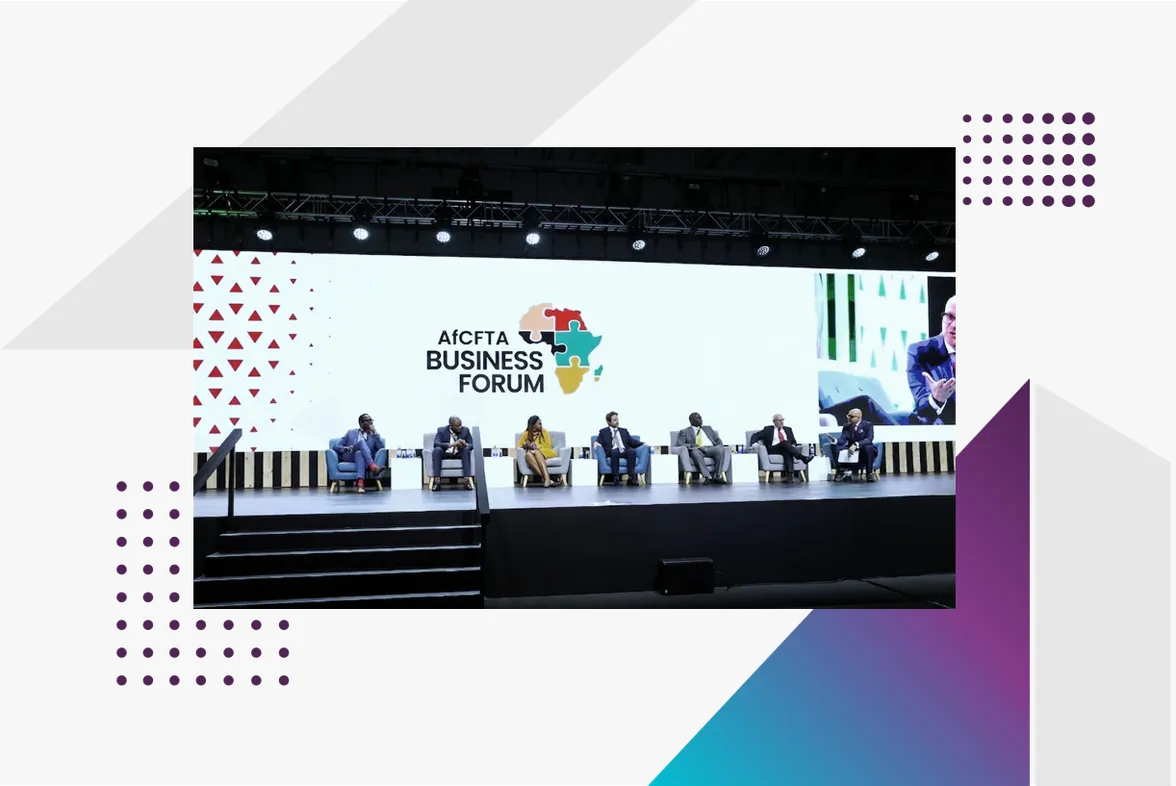
Most African countries still rely more on external partners, leaving regional demand and production capacity largely untapped. Stronger regional supply chains can reduce exposure to global shocks while unlocking new growth.
For decades, marketers have been taught that brand loyalty is the ultimate measure of success. Companies invest millions of dollars building awareness, strengthening brand equity and increasing customer loyalty, believing that consumers who love a…
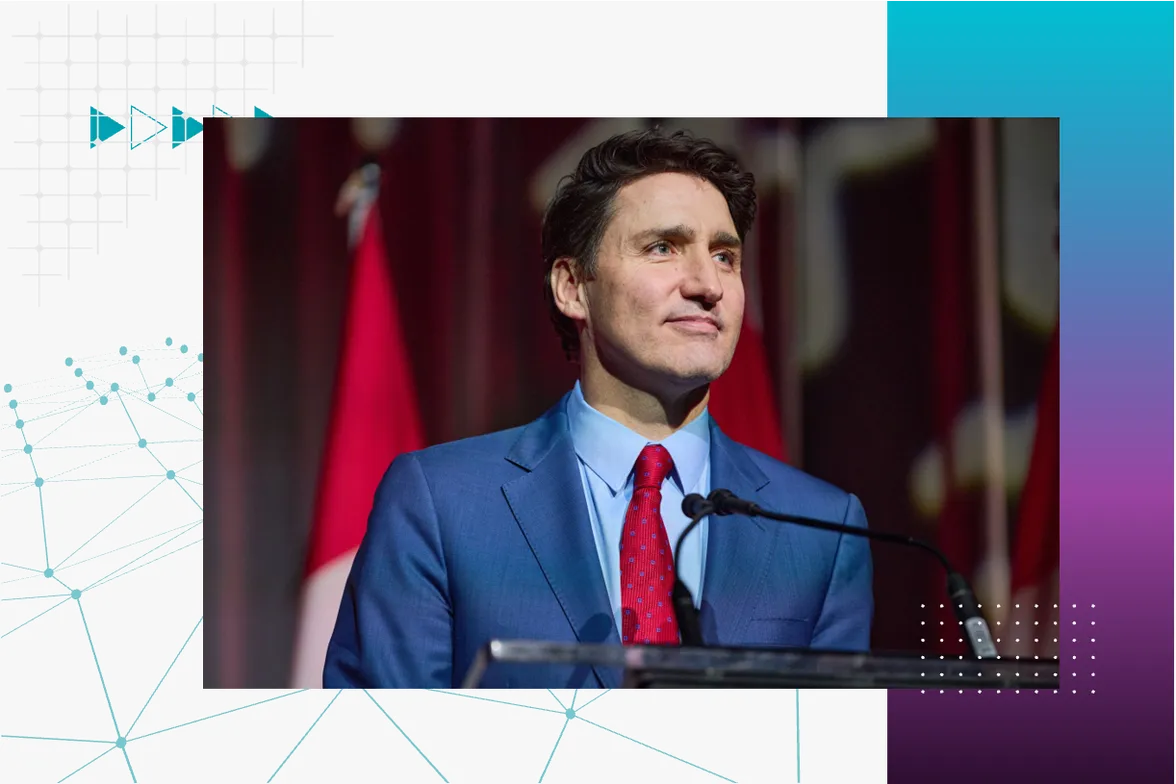
Trudeau’s resignation marks a major political shift in Canada, raising questions about the future of Black economic empowerment and Canada-Africa relations. With an election ahead, will his policies be strengthened or scrapped?
Staples and fresh produce drive food demand in Cameroon, with mid-income consumers favoring cooking oil, low-income groups prioritizing flour, and high-income earners leading in fresh groceries. Affordability remains key, shaping product innovations.
Inflation is driving South Africans to cut back on beauty, food, and entertainment, with younger and middle-income consumers feeling the most pressure. Brands must adapt by offering affordable, value-driven solutions to meet changing consumer needs.
In January, consumer confidence in Africa held steady at 16 points, maintaining the stability of previous months. Job prospects and personal finances improved, but these gains were overshadowed by sharp declines in household and discretionary spending.
Kenya’s alcoholic beverage market held steady in 2024, with beer and champagne emerging as the key growth drivers while other categories saw declines. The surge in beer demand, largely driven by Gen Z and male consumers, is reshaping market dynamics.
Rising inflation in South Africa continues to impact households, with many still relying on borrowing to meet daily expenses. While financial strain has eased for some, it remains widespread reshaping spending habits and financial stability.
Ivorian consumers rely on both digital and traditional media, with trust levels fluctuating throughout 2024. Digital media peaked at 69% in February but dropped to 45% in July, while traditional media gained traction mid-year.
Households in Ivory Coast prioritize dishwasher detergent, oven cleaner, and dishwashing liquid, reflecting evolving cleaning habits. Gen X and Millennials clean more frequently than Gen Z, with women leading in daily usage.
Cameroonian consumers prioritize affordable protein choices, with eggs, yoghurt, and cheese leading household purchases. Younger and low-income consumers are driving frequent protein consumption, shaping market trends.
The fall of DEI programs exposes their superficiality, signaling the need for Black communities to embrace "Do Your Own Thing" (DYOT) by prioritizing economic independence and self-sufficiency for lasting progress.
Rising prices are making it harder for nearly half of Nigerians to afford essentials, with low-income households and younger generations feeling the most strain. As inflation worsens, borrowing has become a survival strategy, especially among Millennials.
Outdoor markets dominate grocery and fresh produce shopping in Tanzania, preferred for their affordability, accessibility, and fresh offerings across diverse demographics.
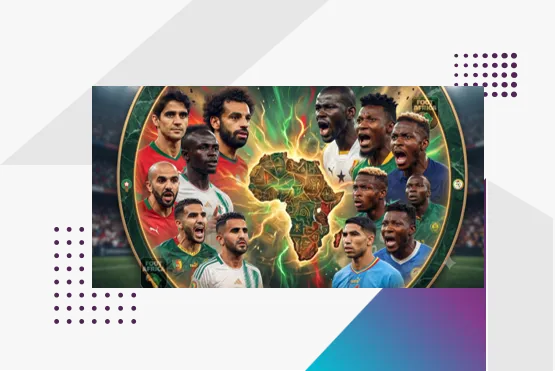
The World Cup for Africa may be over, but her journey is far from finished. For the first time in FIFA World Cup history, nine African teams progressed beyond the group stage, marking the continent's…
As the 2026 FIFA World Cup kicks off across North America, African football marks its most significant milestone on and off the pitch. Driven by the tournament's expansion to 48 teams, the Confederation of African…
Africa's Refining Paradox: Why a Continent Rich in Crude Still Imports Its Fuel By Kasi Insight Africa sits on roughly 125 billion barrels of proven crude oil reserves, about 8% of the world's total, and…
The presence of French companies in Kenya represents a strategic pivot in Africa’s geopolitical landscape. As Paris recalibrates its engagement following shifts in the Sahel, Kenya has emerged as the primary anchor for French interests…
A survey of 19 nations reveals a continent divided; not by interest, but by access Across 19 African countries, only 7.3% of consumers currently own cryptocurrency, but that average conceals a story of sharp contrasts.…
The Landscape of Meat Retail in Africa Despite the rapid expansion of modern retail formats across the continent, Africa's fresh meat trade remains anchored in specialized and traditional commerce. Analysis of consumer behavior across 20…
Across Africa, Gen Z’s bathing habits cluster into three clear market realities. In Core Daily Markets (80%+), daily showering is the default—these are high-frequency, high-reliability consumption environments where brands win by deepening value per user.…
How African Consumers are Coping with Inflation As inflationary pressures continue to reshape the economic landscape across Africa, consumers are moving beyond traditional saving methods toward more active, market-based strategies. Our latest Kasi Map, based…
Defining Africa’s Credit Narrative The story of Africa’s sovereign credit landscape in 2026 is defined by a sharp divide between a few "investment-grade" successes and a vast majority of nations struggling under the weight of…
Tariffs are a tax on imports, designed to raise the cost of foreign goods, protect domestic industries, and shift trade flows. For example, if Libya exports $1,000 worth of goods to the U.S. at a…
This analysis sheds light on the evolving relationship between G7 nations and African countries, highlighting both the goodwill that exists and the gaps that need bridging. Understanding how Africans perceive and understand the G7 is…
When we talk about global influence in Africa, the conversation often centers on political and economic dynamics - trade partnerships, infrastructure projects, public-private investments, foreign direct investments, foreign aid, IMF loans, and World Bank reforms.…
Tell us what your business needs to understand, and we'll recommend the appropriate approach.