Health & Wellness
Hygiene has the demand, skin care, hair care and beauty have the momentum
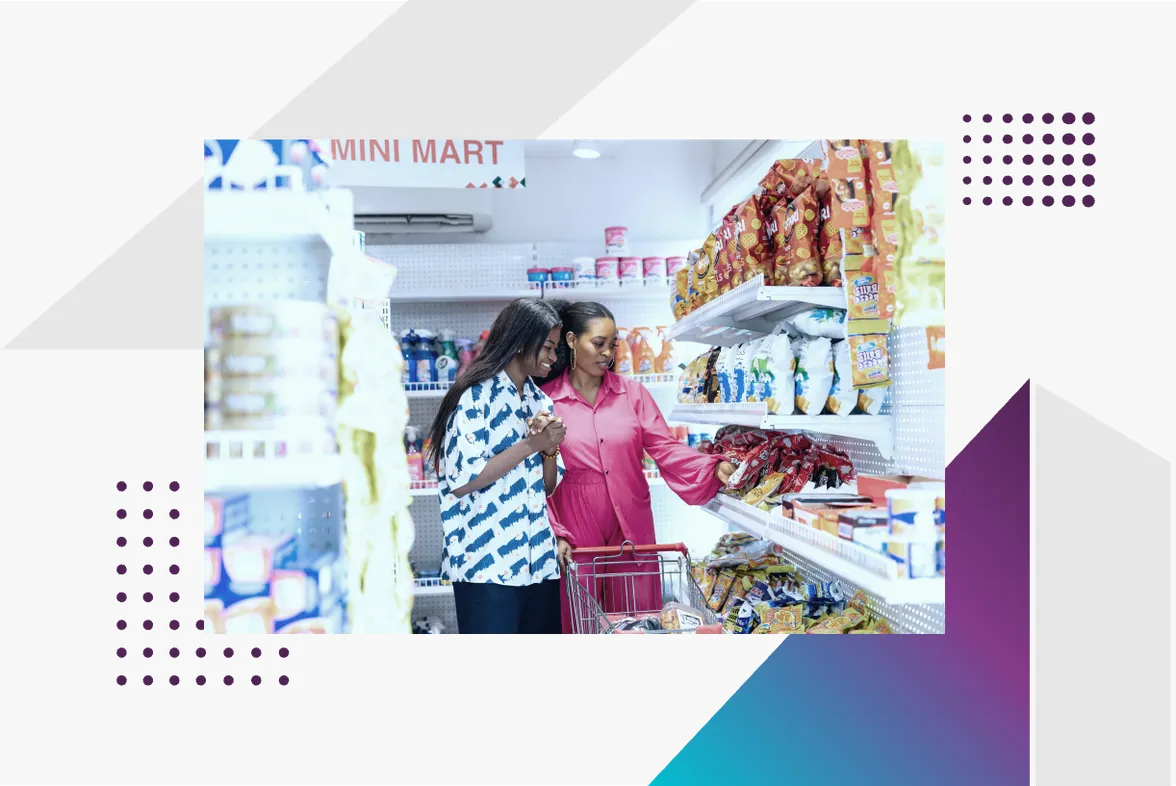
Personal Hygiene remains the strongest demand pool in Personal Care. But Skin Care, Hair Care and Beauty are gaining ground.
Read the articleAnalysis from Kasi analysts, built on Kasi's own consumer data and the wider economic picture.
Personal Hygiene remains the strongest demand pool in Personal Care. But Skin Care, Hair Care and Beauty are gaining ground.
Read the articleMost businesses will enter 2027 with a brand tracker in one hand, sales history in the other, and a set of assumptions about what happens next. The real risk is not making those assumptions. It is failing to monitor whether they are still true.
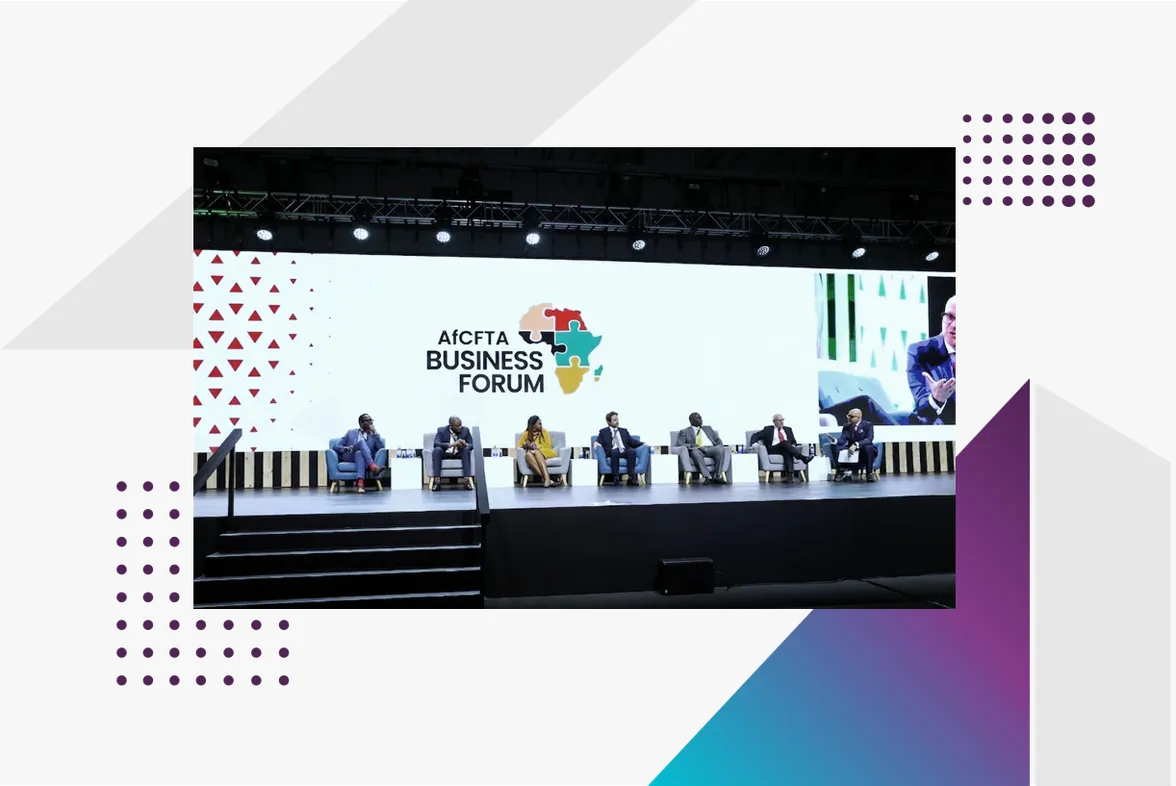
Most African countries still rely more on external partners, leaving regional demand and production capacity largely untapped. Stronger regional supply chains can reduce exposure to global shocks while unlocking new growth.
For decades, marketers have been taught that brand loyalty is the ultimate measure of success. Companies invest millions of dollars building awareness, strengthening brand equity and increasing customer loyalty, believing that consumers who love a…
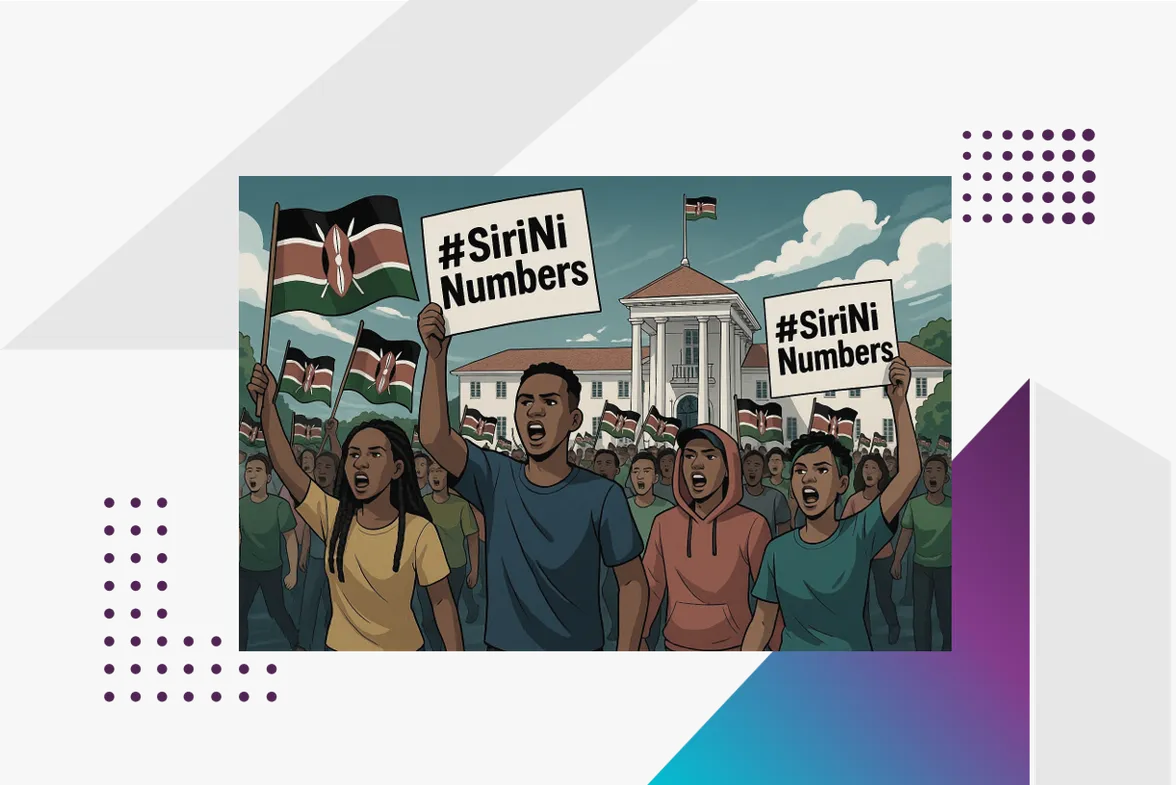
One year after #OccupyParliament, Kenya’s Gen Z still faces entrenched economic despair and deep mistrust, with 82 % saying the country is off course. Marking the anniversary today, they march to honor lost souls and press for justice and systemic reforms
Consumers in Kenya are spending more on food but buying less, making deliberate choices to stretch every shilling. Routines are shifting, trust in digital sources is rising, and food decisions are now guided by control and necessity.
Starlink’s expansion in Africa has generated strong awareness, but adoption remains limited due to high costs, reliability concerns, and unmet service expectations. With only 19,146 subscribers in Kenya, it ranks seventh among ISPs.
Retail banking in Kenya is evolving as consumers demand trust, resilience, and real value. While product usage is rising, financial stress and digital dissatisfaction remain key challenges.
Consumer sentiment in Africa improved in May, supported by stronger household income, spending, and job prospects. However, a dip in future expectations signals ongoing uncertainty.
Amid financial pressure, Kenyan consumers are reshaping wellness through mental strength, social connection, and healthier daily routines. The new definition of wellbeing is rooted in emotional resilience and consistent self-care.
Cameroonian households are experiencing mixed relief on daily expenses but remain under intense pressure when it comes to savings, housing, and healthier food. Borrowing has become a widespread coping mechanism.
In Q1 2025, Nigerian consumers showed rising demand for flexible financial tools, with credit cards and mobile money gaining traction across key segments. Savings products remained strong, while insurance and loan products saw notable declines.
Most Ghanaians believe businesses are not doing enough on climate, with middle and low-income groups most dissatisfied. Consumers expect action through sustainable products, clean technology, and stronger climate advocacy.
Holiday shopping data from 2017 to 2024 reveals how quickly consumer behavior can shift and settle into new patterns. In Africa’s fast-changing markets, high-frequency data is essential for making timely, strategic decisions.
Nigerian consumers are increasingly trusting digital platforms over traditional media, with 56% preferring online sources by March 2025. Brands must adopt hybrid strategies tailored to age and income to stay relevant in a fragmented media landscape.
Uganda’s retail sector slowed in early 2025 as consumers pulled back on essentials, but remained engaged in wellness, entertainment, and digital categories. Gen Z and male consumers emerged as key demand drivers, revealing new opportunities for brands.
South Korea's engagement with Africa is driven by a combination of economic interests, strategic partnerships, and technological collaboration. Understanding the presence of South Korean companies on the continent provides valuable insights into their impact and…
Japan's involvement with Africa goes beyond mere investment, encompassing a wide array of activities conducted by both state-owned enterprises and private companies. This map illustrates the multifaceted nature of this engagement, shedding light on key…
The 2023-24 AFCON has been a showcase of remarkable resilience, where players and teams faced challenges head-on, overcame uncertainties, and triumphed against the odds. This resilience became a defining theme, leaving an indelible mark on…
Clustering African countries based on Consumer sentiment overtime. The strategic clustering of African countries based on consumer sentiment unveils a rich narrative of economic diversity and market dynamics. The rationale lies in acknowledging the diversity…
Mapping Indian Owned/Operated Companies in Africa By graphing the footprint of Indian companies in Africa, we gain valuable insights into the strategic decisions, regional focus, and the profound impact these entities have on the socio-economic…
Mapping Russian Corporate Presence in Africa Russia's comeback in Africa, especially under Putin's direction, signifies a dramatic change in world geopolitics. The federation's strategic involvement on the continent includes political, security, and diplomatic aspects in…
Overview Amidst a dynamic economic landscape, our report sheds light on four key consumer trends: Adaptive resilience, Mindful wellbeing, Emerging reality and Sustainability. Understanding consumer behaviour reveals the intricate dance between economic conditions and spending…
Mapping German Corporate Presence in Africa A comprehensive map highlighting the extensive influence of German companies across Africa reveals a strategic engagement that spans multiple key industries. The top five countries – South Africa, Kenya,…
Chinese investments in Africa reflect a diverse landscape, encompassing both state-owned enterprises and private companies. This map reflects a multifaceted engagement that goes beyond mere investment. Key Insights Sectoral Concentration - While state-owned enterprises contribute…
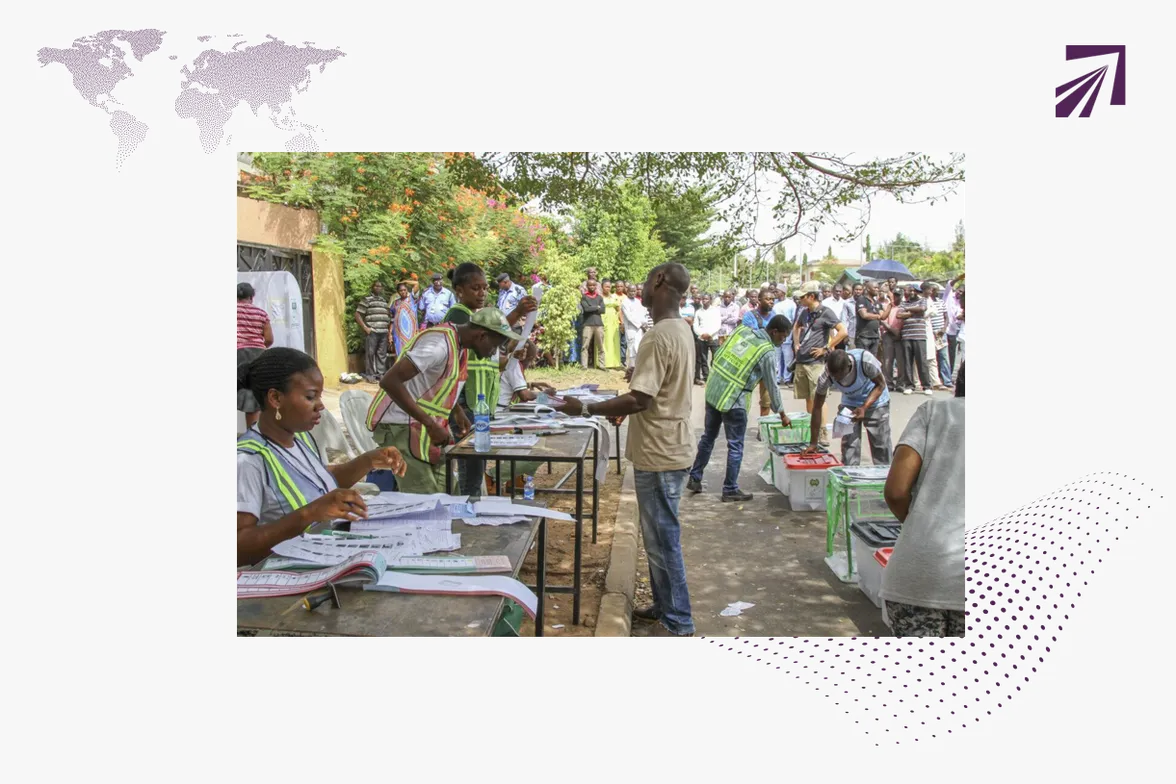
Overview The white paper by Kasi Insight examines the predictive power of consumer sentiment in forecasting election outcomes, specifically focusing on the Democratic Republic of Congo (DRC). It utilizes the Kasi Index of Consumer Sentiment…
Overview The report by Kasi Insight delves into the consumer and market intelligence landscape in Africa, emphasizing the continent's potential as a significant market. It highlights key demographic and economic indicators, pointing out the burgeoning…
Africa has long been a focal point for international trade and investment. Among the various global powers that have established a significant presence in Africa, France holds a prominent position. To better understand the extent…
Tell us what your business needs to understand, and we'll recommend the appropriate approach.