Health & Wellness
Hygiene has the demand, skin care, hair care and beauty have the momentum
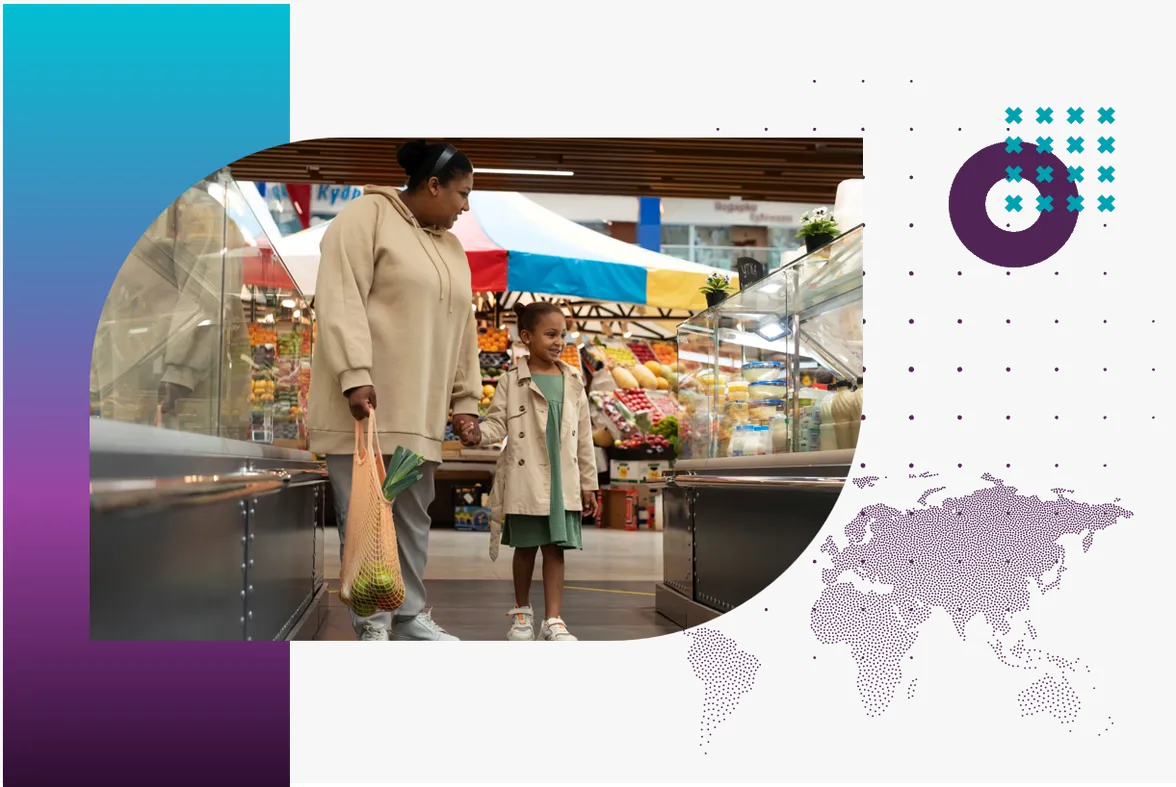
Personal Hygiene remains the strongest demand pool in Personal Care. But Skin Care, Hair Care and Beauty are gaining ground.
Read the articleAnalysis from Kasi analysts, built on Kasi's own consumer data and the wider economic picture.
Personal Hygiene remains the strongest demand pool in Personal Care. But Skin Care, Hair Care and Beauty are gaining ground.
Read the articleMost businesses will enter 2027 with a brand tracker in one hand, sales history in the other, and a set of assumptions about what happens next. The real risk is not making those assumptions. It is failing to monitor whether they are still true.
Most African countries still rely more on external partners, leaving regional demand and production capacity largely untapped. Stronger regional supply chains can reduce exposure to global shocks while unlocking new growth.
For decades, marketers have been taught that brand loyalty is the ultimate measure of success. Companies invest millions of dollars building awareness, strengthening brand equity and increasing customer loyalty, believing that consumers who love a…
Africa’s transformative growth, driven by a youthful population and expanding markets, demands actionable data for informed decision-making. Surveys and trackers, backed by a focus on data quality, are essential tools for unlocking it’s potential.
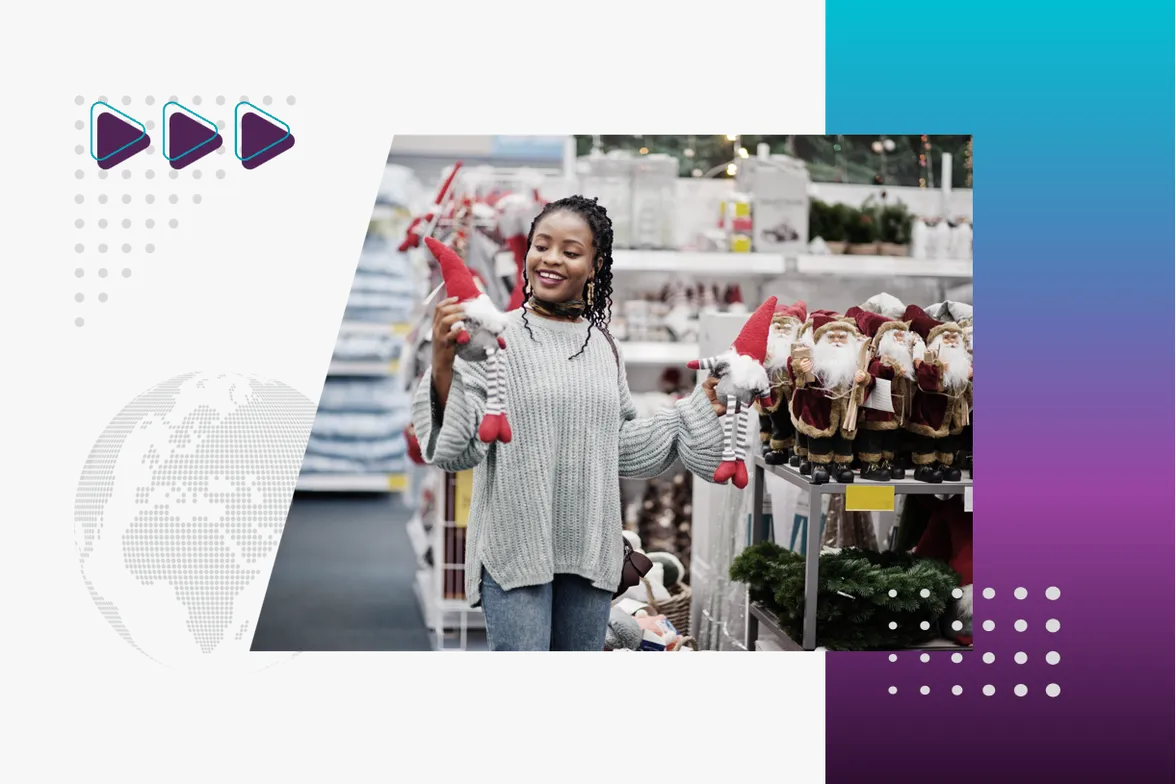
Holiday shoppers seamlessly blend traditional and digital media for purchase decisions. Shoppers favor short, relatable influencer videos, product reviews, and live demos, highlighting a demand for authenticity over celebrity endorsements.
As Ghana approaches its 2024 General Elections, the Kasi (ICS) reveals significant volatility, reflecting widespread dissatisfaction with economic conditions and governance. The data points to a challenging election for the ruling NPP.
Black Friday participation in Africa has surged to 61% in 2024, with Ivory Coast and Ghana leading. Economic barriers and hybrid shopping trends present opportunities for retailers to adapt to diverse consumer needs.
Hybrid shopping is the dominant trend in Cameroon, with 44% preferring an omnichannel approach and only 1% shopping exclusively online. Discounts, unique products, and better prices influence store choices.
Digital media continues to dominate holiday advertising in South Africa, with social media and company websites leading as prime ad spaces. Authentic peer reviews and relatable influencer content significantly influence purchase decisions.
Ivorian households are prioritizing durable food items like staple grains and frozen foods, with spending shifting away from perishables such as bread and fresh produce. This trend reflects economic pressures and a focus on affordability and convenience.
Consumer confidence in Africa dropped by 2 points, ending two months of stability, driven by an 8-point decline in current conditions and sharp decreases in job prospects and spending indices, reflecting growing consumer caution.
Cultural insights decode Africa’s diversity, transforming data into meaningful strategies. Embracing them fosters trust, connection, and sustainable growth.
From Oct 2023 to Sept 2024, digital media held a consistent lead as the most trusted source in Nigeria, with trust levels reaching up to 63% in peak months. Among brand information sources, online platforms, billboards, and social media ranked highest.
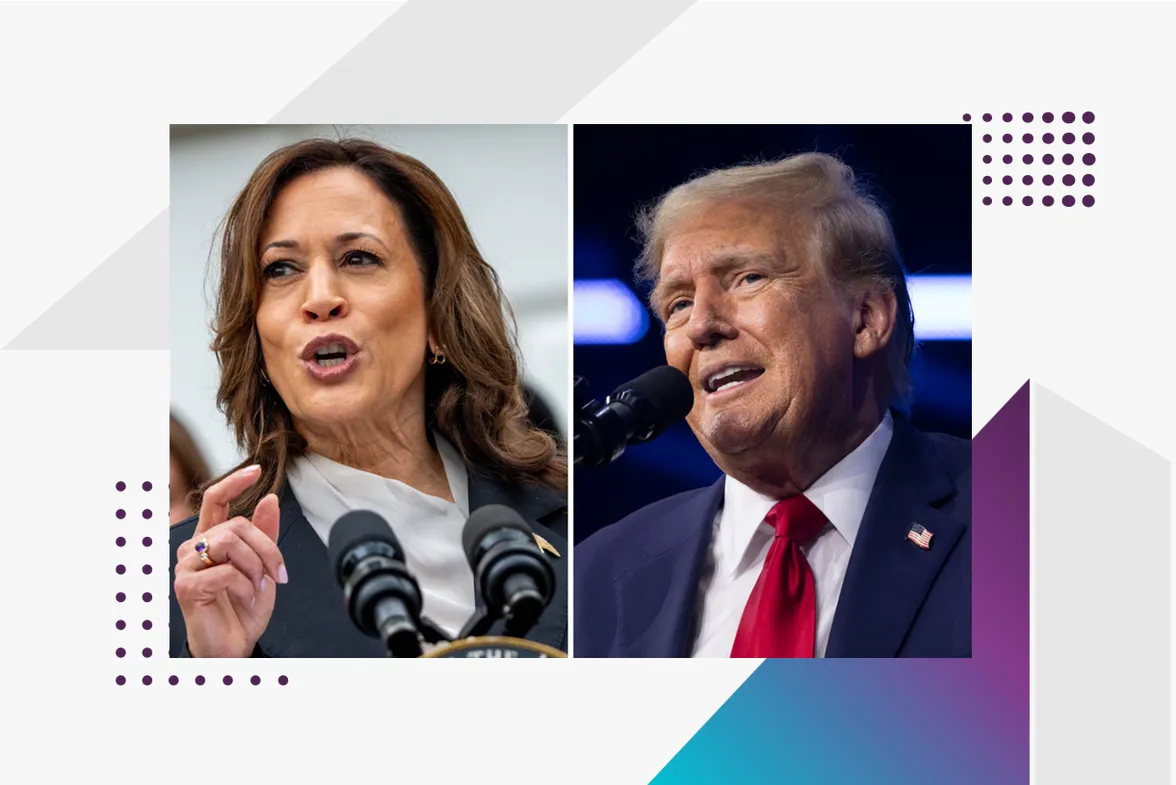
Africans view Kamala Harris as the favored candidate for her inclusive vision, though Trump’s strong leadership continues to hold appeal.
With the holiday season approaching, Ghanaian households are prioritizing essentials like food, healthcare, and education, guided by affordability and quality. Brands can tap into holiday spending by highlighting value, practicality, and quality.
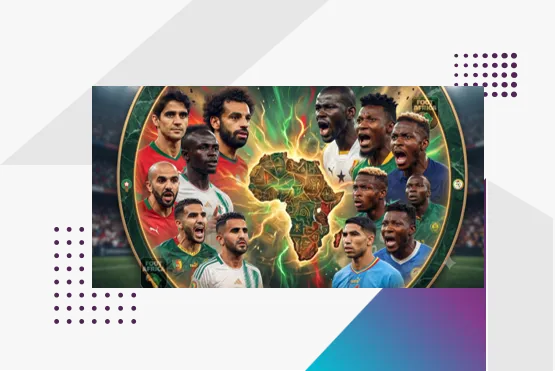
The World Cup for Africa may be over, but her journey is far from finished. For the first time in FIFA World Cup history, nine African teams progressed beyond the group stage, marking the continent's…
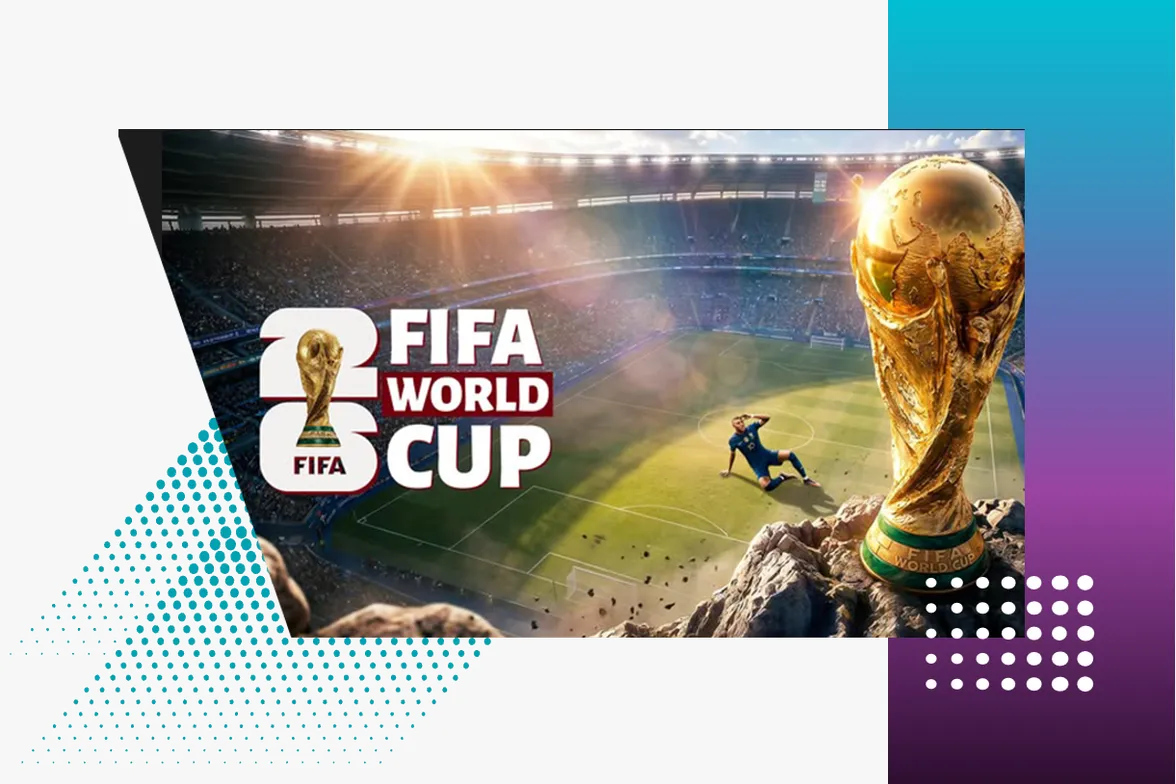
As the 2026 FIFA World Cup kicks off across North America, African football marks its most significant milestone on and off the pitch. Driven by the tournament's expansion to 48 teams, the Confederation of African…
Africa's Refining Paradox: Why a Continent Rich in Crude Still Imports Its Fuel By Kasi Insight Africa sits on roughly 125 billion barrels of proven crude oil reserves, about 8% of the world's total, and…
The presence of French companies in Kenya represents a strategic pivot in Africa’s geopolitical landscape. As Paris recalibrates its engagement following shifts in the Sahel, Kenya has emerged as the primary anchor for French interests…
A survey of 19 nations reveals a continent divided; not by interest, but by access Across 19 African countries, only 7.3% of consumers currently own cryptocurrency, but that average conceals a story of sharp contrasts.…
The Landscape of Meat Retail in Africa Despite the rapid expansion of modern retail formats across the continent, Africa's fresh meat trade remains anchored in specialized and traditional commerce. Analysis of consumer behavior across 20…
Across Africa, Gen Z’s bathing habits cluster into three clear market realities. In Core Daily Markets (80%+), daily showering is the default—these are high-frequency, high-reliability consumption environments where brands win by deepening value per user.…
How African Consumers are Coping with Inflation As inflationary pressures continue to reshape the economic landscape across Africa, consumers are moving beyond traditional saving methods toward more active, market-based strategies. Our latest Kasi Map, based…
Defining Africa’s Credit Narrative The story of Africa’s sovereign credit landscape in 2026 is defined by a sharp divide between a few "investment-grade" successes and a vast majority of nations struggling under the weight of…
Tariffs are a tax on imports, designed to raise the cost of foreign goods, protect domestic industries, and shift trade flows. For example, if Libya exports $1,000 worth of goods to the U.S. at a…
This analysis sheds light on the evolving relationship between G7 nations and African countries, highlighting both the goodwill that exists and the gaps that need bridging. Understanding how Africans perceive and understand the G7 is…
When we talk about global influence in Africa, the conversation often centers on political and economic dynamics - trade partnerships, infrastructure projects, public-private investments, foreign direct investments, foreign aid, IMF loans, and World Bank reforms.…
Tell us what your business needs to understand, and we'll recommend the appropriate approach.