Health & Wellness
Hygiene has the demand, skin care, hair care and beauty have the momentum
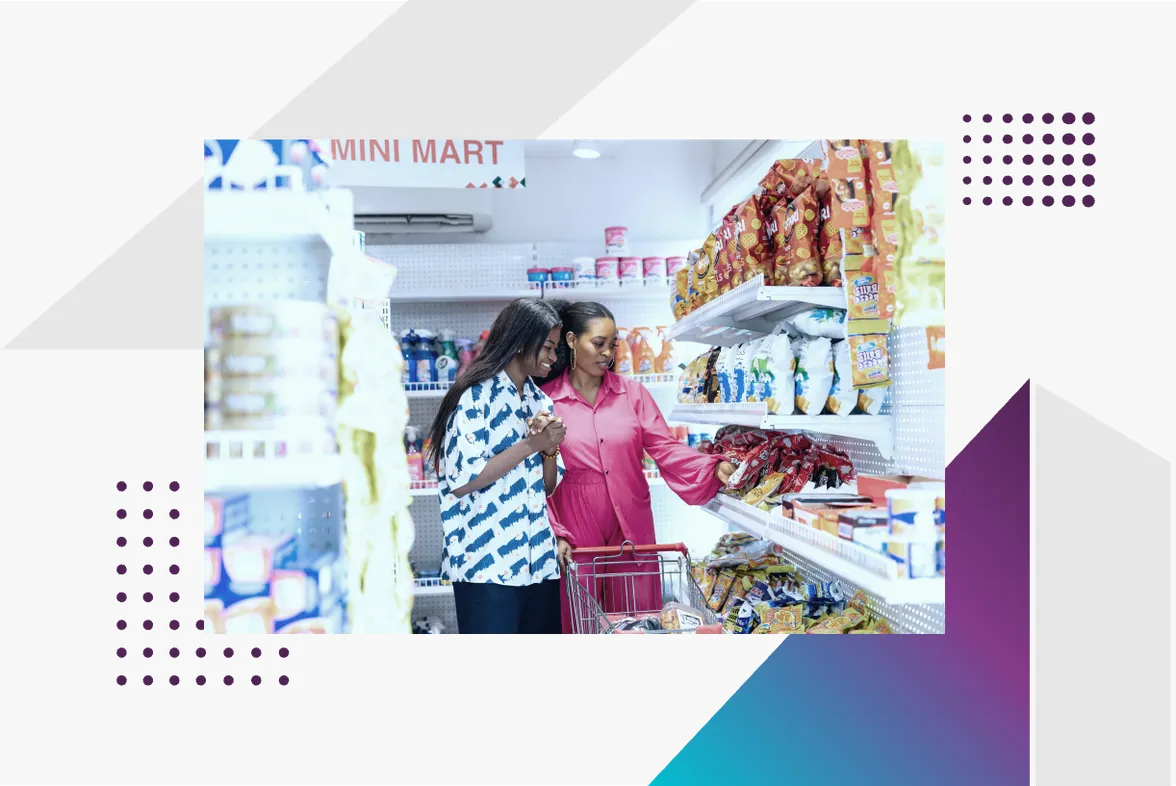
Personal Hygiene remains the strongest demand pool in Personal Care. But Skin Care, Hair Care and Beauty are gaining ground.
Read the articleAnalysis from Kasi analysts, built on Kasi's own consumer data and the wider economic picture.
Personal Hygiene remains the strongest demand pool in Personal Care. But Skin Care, Hair Care and Beauty are gaining ground.
Read the articleMost businesses will enter 2027 with a brand tracker in one hand, sales history in the other, and a set of assumptions about what happens next. The real risk is not making those assumptions. It is failing to monitor whether they are still true.
Most African countries still rely more on external partners, leaving regional demand and production capacity largely untapped. Stronger regional supply chains can reduce exposure to global shocks while unlocking new growth.
For decades, marketers have been taught that brand loyalty is the ultimate measure of success. Companies invest millions of dollars building awareness, strengthening brand equity and increasing customer loyalty, believing that consumers who love a…
Tanzania’s beverage market experienced a surge in 2024, with soft drinks and energy drinks growing over 50%. Millennials and women are driving demand, while bottled water and fruit juice remain top choices.
The Retail Demand Index reveals significant shifts in Kenya’s retail sector during H2 2024, with essentials like cleaning products and dry groceries driving growth, while Gen Z fuels demand in lifestyle categories like entertainment and alcoholic beverage
South Africa enters 2025 with cautious optimism following a historic coalition government and a year of volatile public sentiment, highlighting the urgent need for bold reforms and tangible progress.
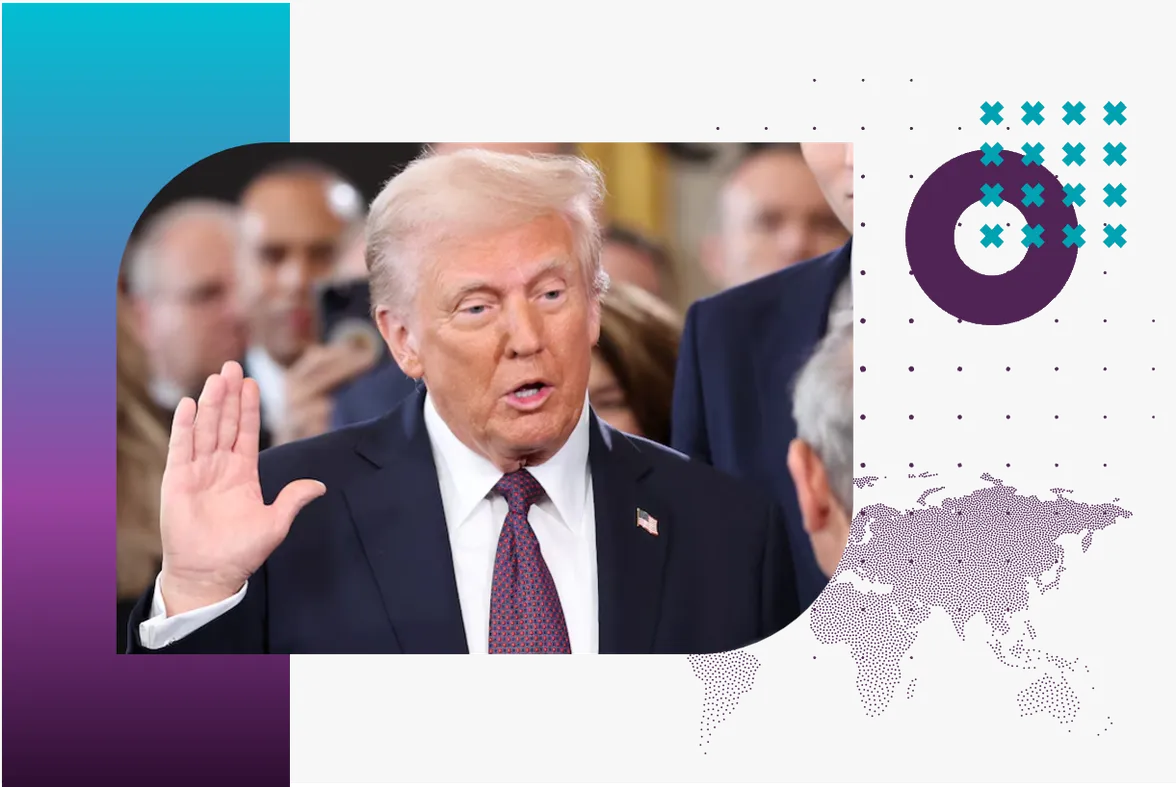
For Africa, Trump 2.0 presents an occasion to reflect on past lessons, including the once-in-a-lifetime global convergence during the COVID-19 pandemic and the continent's relatively low casualty rate despite grim predictions.
In 2025, Africa’s consumers will navigate inflation with resilience, embrace digital platforms as trusted sources, and seek practical sustainability. Brands must align with these trends through affordability, authenticity, and innovation to thrive.
In South Africa, milk, fruit juice, and coffee dominate shopping baskets. With only 20% consuming beverages daily, brands have an opportunity to boost purchase frequency through affordable options and targeted messaging.
In December, African consumer confidence held steady at 16 points, reflecting no change from the previous month. Modest improvements in household spending and personal finances provided some optimism, but these gains were tempered by declines in other ind
Kenya’s last two years have been marked by economic strain, youth-led protests and mounting public discontent. With consumer sentiment indices like ICS dropping to -11 and ICE at a mere 5, optimism for 2025 remains bleak.
Kenya’s salaried workers, making up 15 percent of the labor force, contribute disproportionately to tax revenue, including 22.56 percent through PAYE. Financial strain from high taxes and statutory deductions has fueled widespread dissatisfaction.
The retail demand for beverages in Ghana has declined significantly from 2023 to 2024, with coffee seeing the sharpest drop while tea remains popular, especially among Males and Millennials.
In November, African consumer confidence rose slightly by 1 point, driven by notable gains in discretionary spending, household expenditure, and job prospects. However, declines in personal finances and household income reflect ongoing financial strain.
Africa’s potential in the global economy lies in leveraging data-driven leadership and fostering inclusive innovation. Collaborative ecosystems and ethical data practices will enable sustainable growth and empower the continent to address local challenges
Overview The Informal Lending Habits Study by Kasi Insight delves into the dynamics of informal lending practices in Kenya, Ghana, and Cameroon. Conducted via an online survey, the report focuses on consumer behavior and attitudes…
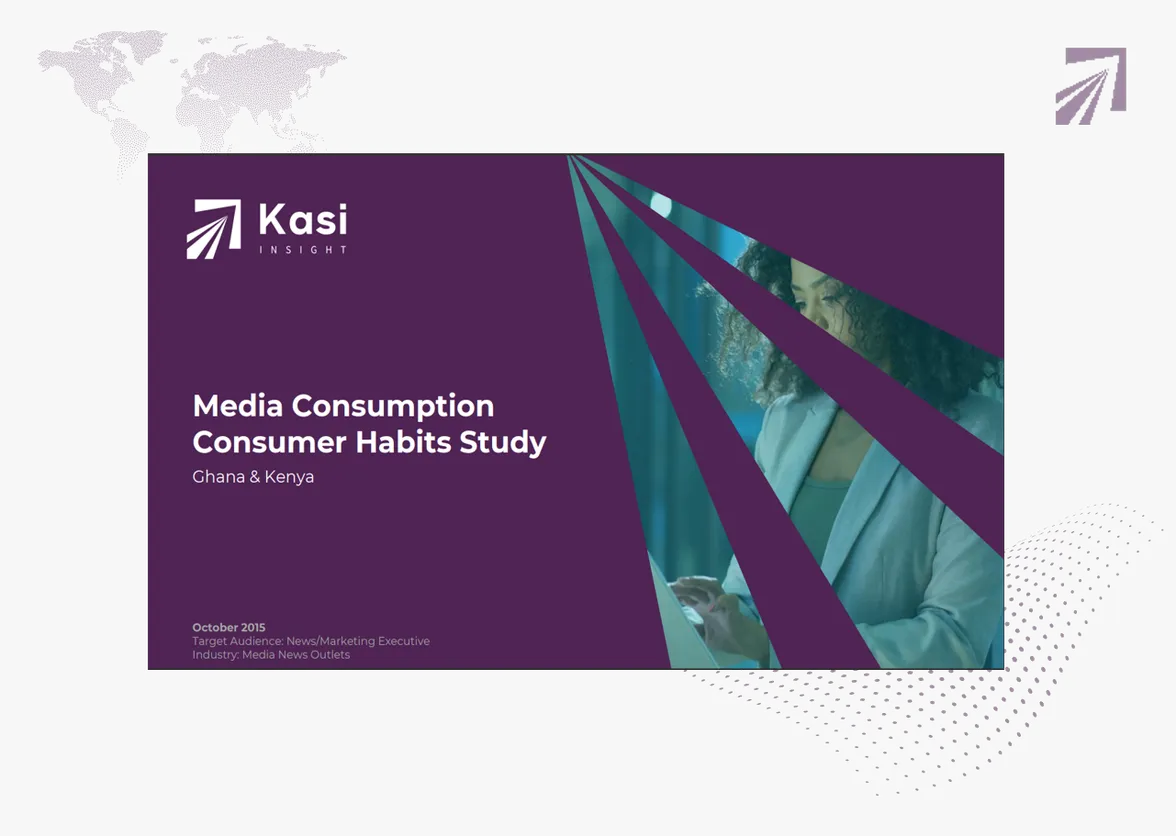
Overview The "Media Consumption Consumer Habits Study" conducted by Kasi Insight in October 2015 focused on understanding media consumption patterns and preferences among the target audience of News/Marketing Executives in Ghana and Kenya. The research…
Overview The "Informal Lending Habits Study" conducted by Kasi Insight explores consumer behavior and attitudes toward money lending in Kenya, Ghana, and Cameroon. The study focuses on informal lending practices, payment options, and the dynamics…
Overview The Media Consumption – Consumer Habit Study conducted by Kasi Insight in Kenya aimed to address the dearth of local market data, particularly in media consumption and retail performance, as identified by marketers in…
Overview The "Mobile Banking Consumer Habits Study" by Kasi Insight delves into the consumer behavior and attitudes towards mobile banking services in Ghana and Kenya. Focused on the banking and telecom industries, this study, conducted…
Overview Kasi Insight's report, "From SOKO to Kasi Insight: 1000 Questions and Counting," provides a retrospective journey from the company's inception to its current transformative state in 2020. The report not only reflects on the…
Overview Kasi Insight's report, "The Mobile App Guide for Africa," delves into the dynamics of the mobile app landscape in Kenya, Cameroon, and Ghana. Published in December 2015, the report aims to unravel the challenges…
Overview The report, titled "COVID-19 PULSE: Its impact on Africans and your business," explores the repercussions of the COVID-19 pandemic on African consumers and businesses. Despite the relatively low number of cases in Africa at…
Tell us what your business needs to understand, and we'll recommend the appropriate approach.