Health & Wellness
Hygiene has the demand, skin care, hair care and beauty have the momentum
Personal Hygiene remains the strongest demand pool in Personal Care. But Skin Care, Hair Care and Beauty are gaining ground.
Read the articleAnalysis from Kasi analysts, built on Kasi's own consumer data and the wider economic picture.
Personal Hygiene remains the strongest demand pool in Personal Care. But Skin Care, Hair Care and Beauty are gaining ground.
Read the articleMost businesses will enter 2027 with a brand tracker in one hand, sales history in the other, and a set of assumptions about what happens next. The real risk is not making those assumptions. It is failing to monitor whether they are still true.
Most African countries still rely more on external partners, leaving regional demand and production capacity largely untapped. Stronger regional supply chains can reduce exposure to global shocks while unlocking new growth.
For decades, marketers have been taught that brand loyalty is the ultimate measure of success. Companies invest millions of dollars building awareness, strengthening brand equity and increasing customer loyalty, believing that consumers who love a…
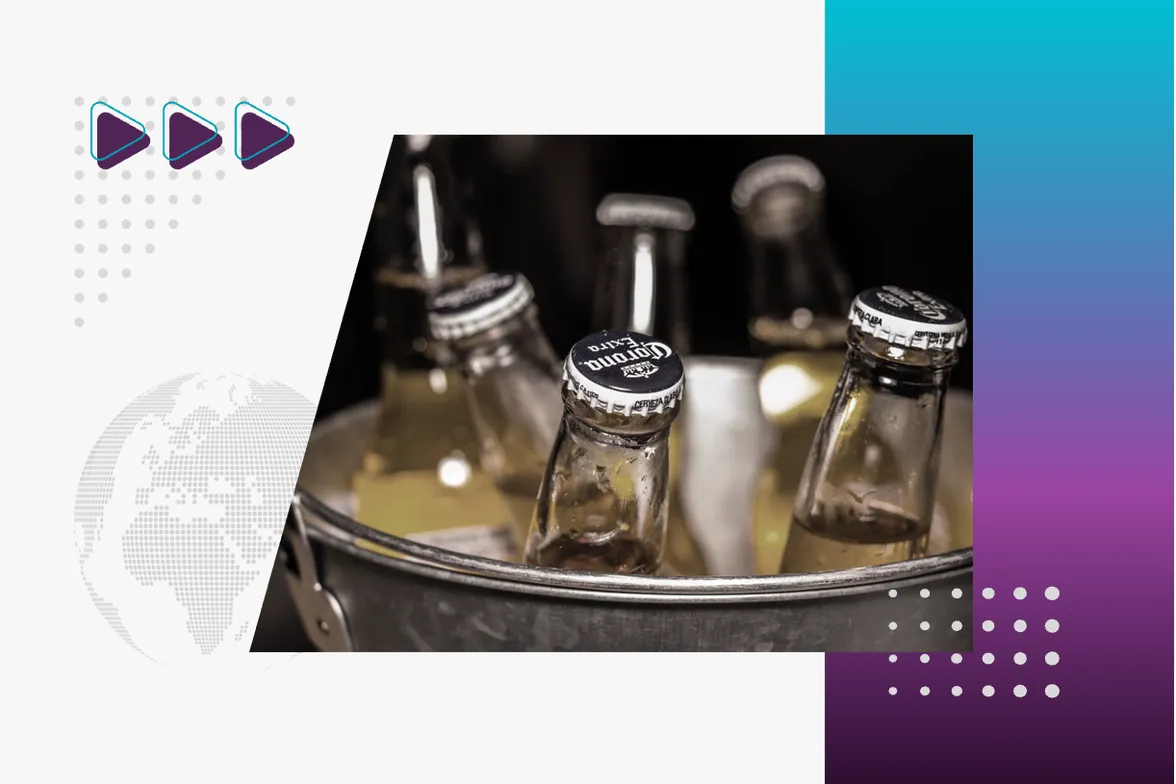
Kenya’s alcoholic beverage market held steady in 2024, with beer and champagne emerging as the key growth drivers while other categories saw declines. The surge in beer demand, largely driven by Gen Z and male consumers, is reshaping market dynamics.
Cameroonian consumers prioritize affordable protein choices, with eggs, yoghurt, and cheese leading household purchases. Younger and low-income consumers are driving frequent protein consumption, shaping market trends.
Outdoor markets dominate grocery and fresh produce shopping in Tanzania, preferred for their affordability, accessibility, and fresh offerings across diverse demographics.
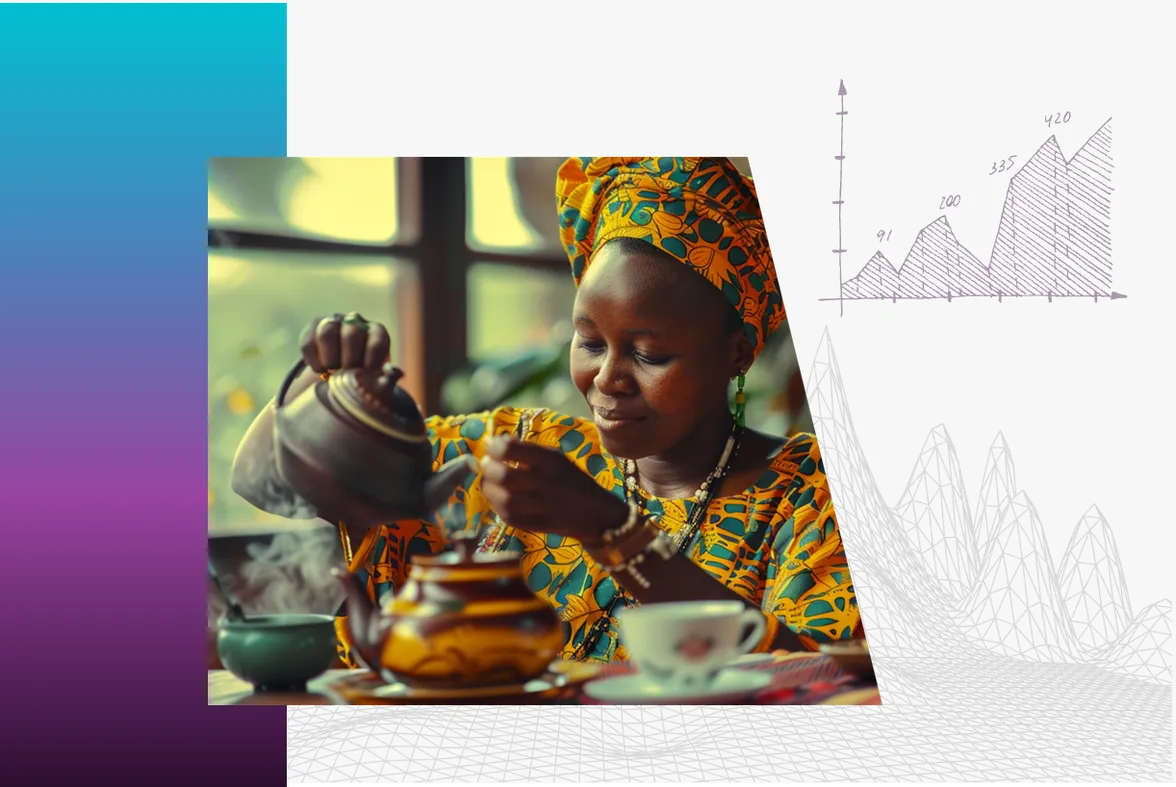
The retail demand for beverages in Ghana has declined significantly from 2023 to 2024, with coffee seeing the sharpest drop while tea remains popular, especially among Males and Millennials.
Ivorian households are prioritizing durable food items like staple grains and frozen foods, with spending shifting away from perishables such as bread and fresh produce. This trend reflects economic pressures and a focus on affordability and convenience.
The retail demand for beverages in Nigeria has declined significantly from 2023 to 2024, with tea seeing the sharpest drop while coffee remains popular, especially among Gen X and Millennials.
The Kasi Retail Demand Index reveals a declining trend in overall alcohol demand in Kenya from 2022 to 2024, with income levels significantly influencing purchasing patterns. Vodka demand, driven by low-income and younger consumers, surpassed beer in 2024
In May 2024, Kasi Insight's Share of Wallet survey in Senegal revealed that consumers prioritize affordability and quality in their monthly purchases of staple grains, meat/fish, and bread/rolls.
Kasi Insight’s data in Q1 2024 shows stabilized essential spending in Uganda after a turbulent 2023, creating opportunities for FMCGs. Despite price hikes, especially for Gen Z, consumers remain adaptable and resilient.
Heineken restructures Nigerian operations amidst a steep drop in beer demand, closing factories and seeking a financial infusion from shareholders to combat a $94 million loss and a shrinking market.
South Africa's beverage market witnessed a positive overall shift, marked by a 6-point increase in the demand index, with notable surges in coffee, fruit juice, and bottled water preferences, while tea experienced a significant decline.
In Nigeria, beer is the preferred drink, especially among Millennials, while bitters have a notable following, particularly among Gen Z. Brandy finds favor with Millennials and Gen X, while Gin is enjoyed by both generations.
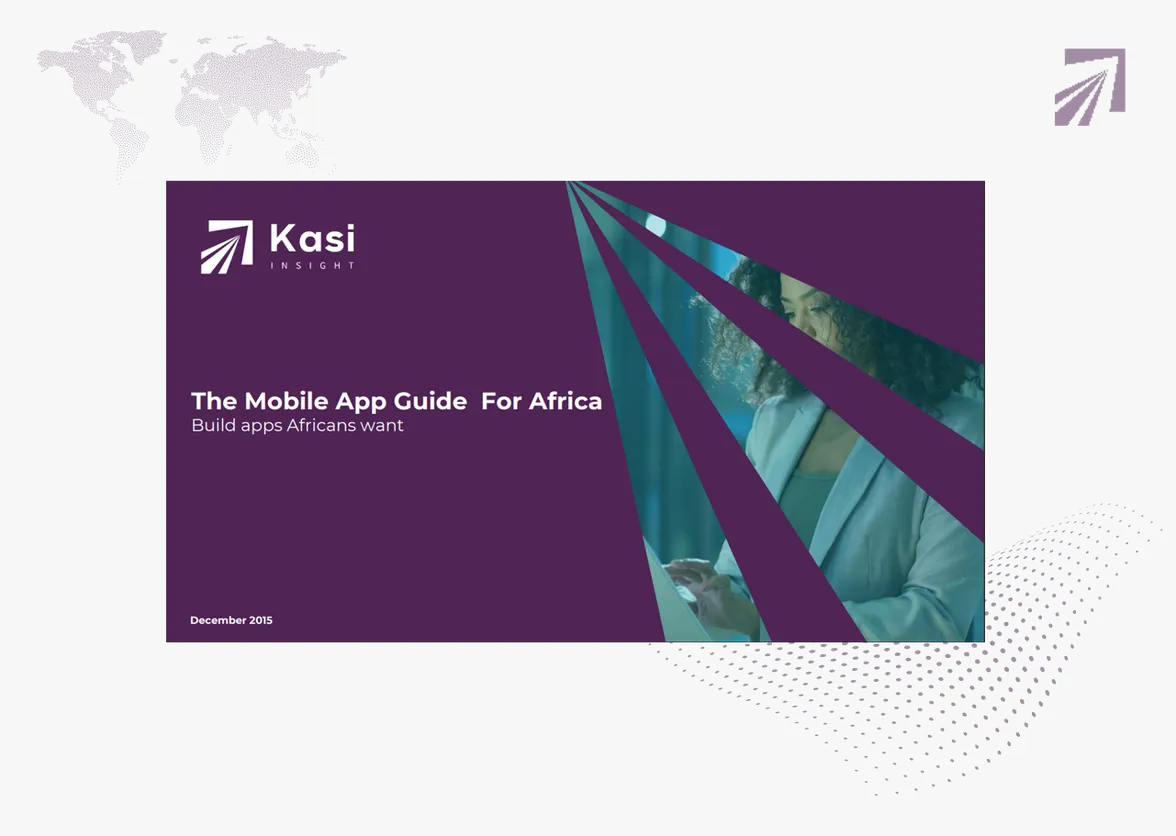
Overview Kasi Insight's report, "The Mobile App Guide for Africa," delves into the dynamics of the mobile app landscape in Kenya, Cameroon, and Ghana. Published in December 2015, the report aims to unravel the challenges…
Overview The report, titled "COVID-19 PULSE: Its impact on Africans and your business," explores the repercussions of the COVID-19 pandemic on African consumers and businesses. Despite the relatively low number of cases in Africa at…
Tell us what your business needs to understand, and we'll recommend the appropriate approach.