
One Summit, Three Narratives, One Fight for Africa

france africa

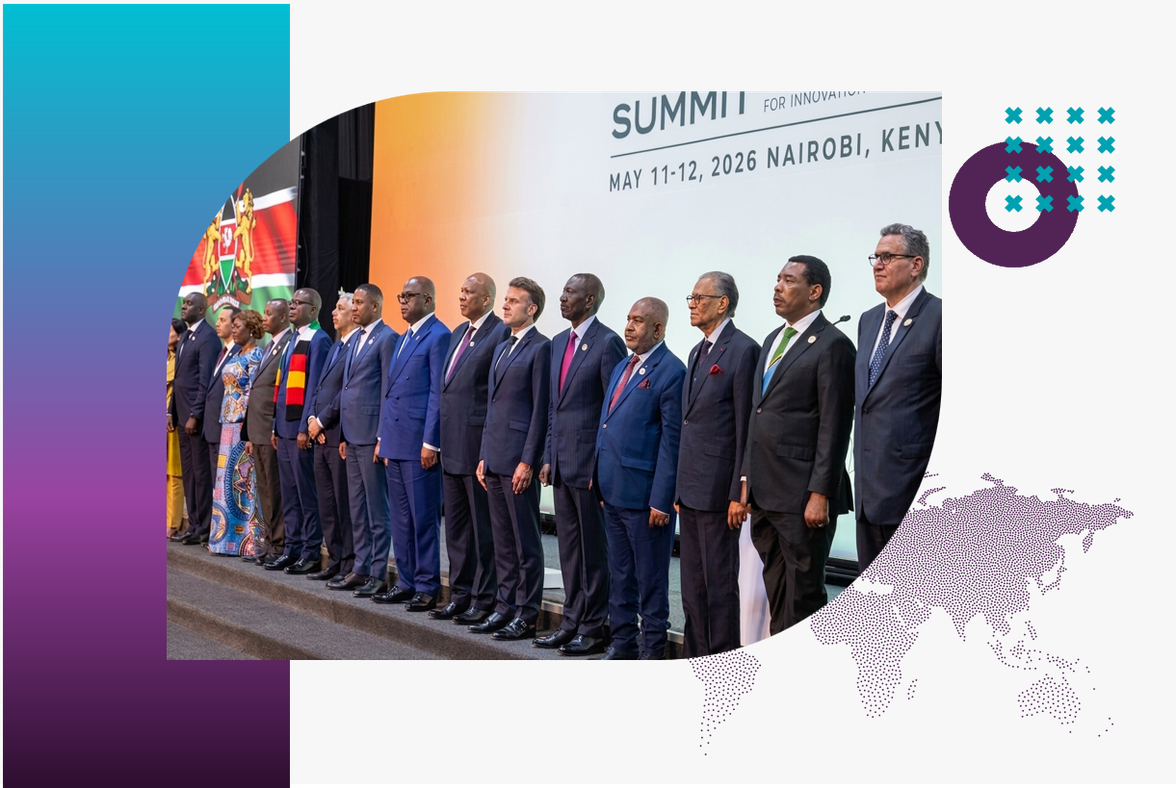
Three summits happened in Nairobi at the same time, at least depending on who was watching. When global leaders, investors, development institutions, and media gathered in Nairobi for Africa Forward, many assumed they were attending the same summit. Viewed from different corners of the world, Africa Forward was either: France’s attempt to rebuild influence in Africa, Evidence of Western decline on the continent, or A signal that Africa is slowly becoming the center of geopolitical competition rather than its periphery.

The divergence in coverage tells us something important; not just about media narratives, but about how Africa itself is being repositioned in the global system.

At Kasi Insight, we reviewed how the summit was covered across Western media, non-Western media, and African media ecosystems. What emerged was not just a media analysis, but a map of competing worldviews about Africa’s future.

Western Media: “Can France Win Africa Back?”

Coverage from Western outlets such as Reuters, AP, The Guardian, and French publications framed the summit primarily through the lens of France, Not Africa. The dominant narrative was that President Emmanuel Macron is attempting to reset France’s Africa strategy after losing ground in the Sahel and wider Francophone West Africa. The summit was portrayed as a diplomatic repositioning exercise: moving away from paternalism, reducing the visibility of “Françafrique,” and pivoting toward Anglophone Africa, particularly Kenya.

The investment announcements, the €23 billion financing package, the language around “partnership” all mattered. mattered. But the deeper Western media obsession was this: Can France remain relevant in Africa? This framing reveals something important about Western geopolitical thinking. Africa is still often analyzed through the strategic anxieties of external powers rather than through African agency itself.

Even when discussing African growth, the subtext frequently becomes: What does this mean for Europe? Or What does this mean for China? Other times, What does this mean for global influence? Not, What does this mean for Africa’s bargaining power? That distinction matters.

Non-Western Media: “The West is Losing Africa”

Chinese and Russian-aligned coverage approached the summit very differently.

Chinese media coverage was measured, neutral, and transactional. It focused on diplomacy, bilateral meetings, trade, and infrastructure cooperation. The tone suggested that Africa Forward was simply another node in a multipolar world where all powers compete for relevance.

Russian-aligned narratives were far sharper. The framing was essentially: France is attempting to preserve declining influence in Africa after losing legitimacy in parts of the continent. Colonial history was emphasized heavily. Anti-Western sentiment was amplified. African frustration with European influence was presented as irreversible. This is strategically important.

For China and Russia, Africa is increasingly used as evidence of a shifting global order, proof that Western dominance is weakening. Africa is no longer simply a development story. It is now part of the geopolitical legitimacy battle.

African Media: “What Does Africa Actually Gain?”

African media coverage was the most nuanced. Kenyan and broader African outlets covered the summit with a mix of optimism, realism, and skepticism. Unlike Western coverage, African outlets focused far more on; financing access, sovereign credit ratings, industrialization, energy transition, investment pipelines, and Africa’s negotiating position.

The Nairobi Declaration received substantial attention because it touched directly on structural issues African economies face, particularly the cost of capital and unfair global risk pricing. This is critical.

For African businesses and policymakers, the real issue is not whether France regains influence. The issue is whether Africa can finally reduce the structural penalties imposed on its economies. At the same time, African media did not ignore the contradictions. Local coverage also highlighted: anti-French protests, concerns over performative diplomacy, questions about whether investment pledges will materialize, and skepticism toward summits that generate headlines but limited implementation.

In other words, African media coverage was less ideological and more practical. Africans increasingly judge partnerships by execution, not speeches.

The Bigger Signal: Africa’s Leverage is Growing

The most important takeaway from Africa Forward is not France. It is competition. Every major power now needs Africa:

  • Europe needs Africa for markets, migration management, and energy transition.
  • China needs Africa for trade, industrial supply chains, and geopolitical alignment.
  • Russia needs Africa diplomatically and strategically.
  • Gulf states need Africa for food security and logistics.
  • The United States increasingly sees Africa through the lens of strategic competition and future growth.

This changes the balance. Historically, Africa often negotiated from dependency. Today, parts of Africa are beginning to negotiate from optionality. That does not mean the continent suddenly holds all the power. Structural challenges remain enormous: debt, FX volatility, weak industrial bases, political fragmentation, and financing constraints.

But Africa’s strategic value has increased dramatically. And when strategic value rises, leverage follows. The challenge now is whether African governments, institutions, and businesses can convert geopolitical attention into long-term economic advantage.

What This Means for Businesses and Investors

For executives and investors, Africa Forward reinforces three realities.

Africa is becoming a competitive geopolitical market - Competition between global powers will increasingly shape financing, infrastructure, trade corridors, telecoms, AI infrastructure, minerals, and digital ecosystems. Businesses operating in Africa must understand not just economics, but geopolitics.

Narrative risk matters - The summit showed how differently Africa can be interpreted depending on the media ecosystem. That matters for: sovereign perception, investor confidence, risk pricing, tourism, and capital allocation. Narratives increasingly influence economic outcomes.

Africa’s biggest opportunity is strategic positioning -The countries that benefit most over the next decade will likely be those that: remain diplomatically flexible, attract multiple partners, avoid over-dependence, and position themselves as stable platforms for capital and manufacturing.

In that sense, Nairobi hosting Africa Forward was symbolic. Kenya is increasingly positioning itself not simply as an East African economy, but as a diplomatic and financial gateway into the continent.

Final Thought

Africa Forward revealed something deeper than diplomacy. It revealed that the global conversation about Africa is changing - unevenly, imperfectly, but unmistakably.

The old development narrative is slowly being replaced by a strategic narrative. Africa is no longer viewed only as a continent needing assistance. It is increasingly viewed as a: market, geopolitical battleground, source of growth, technology frontier, or strategic asset.

The risk for Africa is becoming a theater where others compete. The opportunity is becoming a power that can negotiate on its own terms. The next decade may depend on which path prevails.

About Kasi Insight

Kasi Insight is Africa's leading decision intelligence firm specializing in high-frequency consumer and economic data across Africa. Through its proprietary survey infrastructure and analytics platform, Kasi provides real-time insights that help organizations anticipate economic shifts, understand consumer behavior, and make better strategic decisions.

We welcome collaboration with:

  • Banks and financial institutions
  • Asset managers and investors
  • Policymakers and development organizations
  • Academic researchers

Organizations interested in exploring partnerships or accessing Kasi datasets are invited to contact our research team.

📧 yannick@kasiinsight.com


Recent posts

See all

Alison Okatch

In DRC TV wins on scale, but friends and family turn exposure into belief more efficiently than any paid channel.

Segun Sunmonu

Nigeria’s media preferences shift toward digital trust and audience-specific engagement

Paul Cheloti Mulongo

Ivorians blend digital and traditional media for accurate, trusted information

Subscribe to our free newsletter