
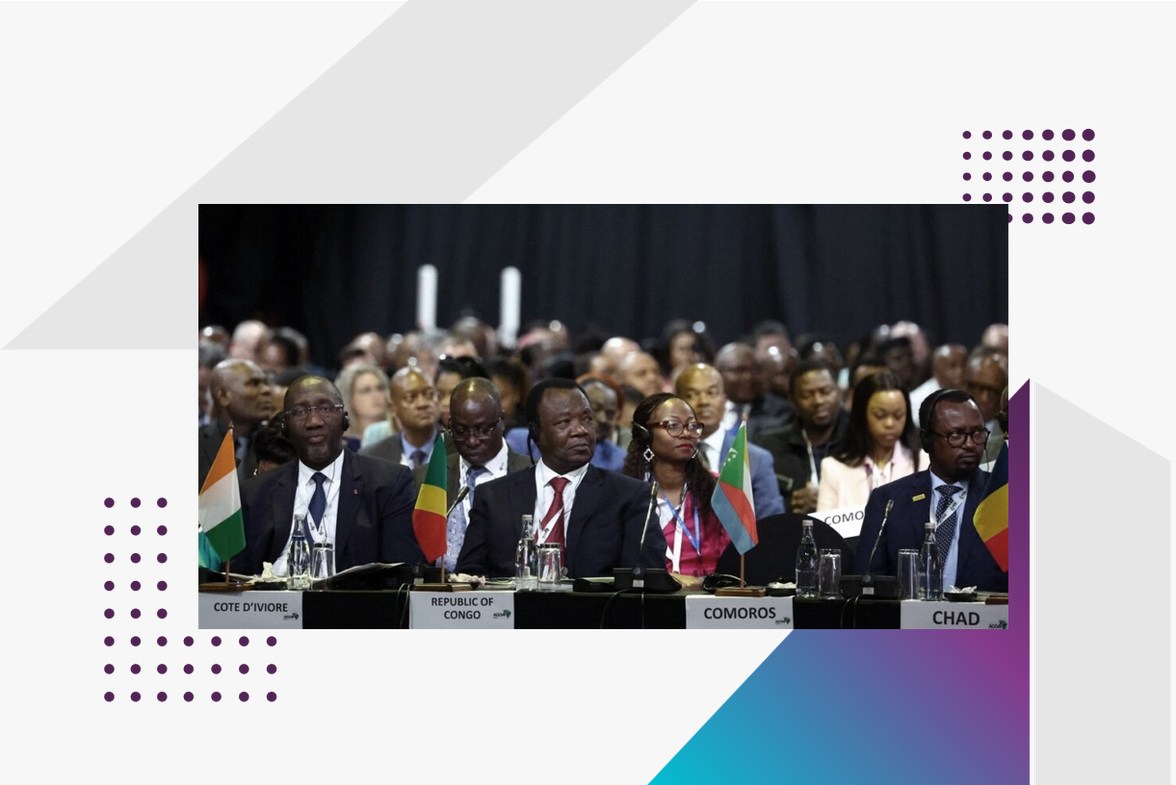
AGOA’s uncertain extension is a warning for Africa’s industrial future

AGOA

The African Growth and Opportunity Act technically expired on September 30, 2025, but the U.S. administration has announced support for a one-year extension. That announcement prevents an immediate collapse of duty-free access for African exporters, but it is not yet law. The extension must still pass through Congress, and until then, uncertainty clouds the future of one of the continent’s most important trade regimes. Even if passed, the measure would provide only temporary relief, not lasting security.

A short extension cannot mask structural fragility

For 25 years AGOA gave African nations predictable access to the U.S. market. It encouraged investors to build factories, governments to expand export processing zones, and thousands of workers to rely on stable jobs. The near-expiry in September exposed just how dependent Africa had become on decisions made abroad. The administration’s support for an extension has calmed fears but has also underscored how fragile this arrangement is.

The problem is not the one-year patch itself, but the vulnerability it exposes. African economies cannot rely on competitiveness that depends on legislation renewed or withdrawn at another country’s discretion. This moment is a cushion but also a warning. It provides a narrow window to act, but it proves that preference-driven growth is no substitute for homegrown competitiveness.

The hardest-hit sectors remain on edge

The apparel industry shows how high the stakes are. In 2024 Kenya exported KSh 60.6 billion worth of apparel to the U.S., sustaining 66,800 jobs in export processing zones. Lesotho earned more than 200 million U.S. dollars from garment exports, with the sector standing as its largest private employer. These industries are tightly bound to AGOA, not only for trade flows but also for employment and foreign exchange earnings.

The one-year extension, if enacted, will temporarily protect these gains, but it will not silence concerns. Fashion buyers are highly sensitive to cost and political risk. They can shift sourcing within weeks if they sense instability. Without reforms that strengthen local input sourcing and build resilience, Africa’s leading exporters may lose ground even during the extension period.

Washington’s choices carry weight beyond tariffs

Congress now holds the key. It can approve the one-year patch, grant a longer reauthorization that modernizes AGOA and links it with the African Continental Free Trade Area, or let the framework lapse again in 2026. Each option would reshape Africa’s economic landscape.

The differences are profound. A one-year extension provides survival but not stability. A longer renewal with reforms could catalyze investment in spinning, weaving, and food processing, enabling Africa to climb the value chain. A lapse would undo decades of effort to diversify exports and industrialize. Washington’s decision will therefore not only affect tariff lines but also Africa’s broader industrial momentum.

Africa must treat this uncertainty as a catalyst for change

The immediate priority is to safeguard existing gains. Exporters should protect cash flow, renegotiate contracts to reflect the uncertainty, and seek bridge financing to secure payrolls. Governments must actively lobby during the congressional process, presenting credible evidence of governance and labor compliance to strengthen the case for renewal.

The deeper priority is transformation. Africa must use this uncertain window to accelerate regional integration, strengthen intra-African sourcing through AfCFTA, and diversify markets beyond the United States. AGOA’s uncertain future is a reminder that Africa cannot build its destiny on the shifting sands of external preferences. The continent must chart its own path to competitiveness, resilience, and industrial strength.

Contact our team today to explore how our decision intelligence can empower your decision-making process. Win with confidence with Kasi Insight. https://www.kasiinsight.com

Share on socials using this caption: 🌍⏳ AGOA gets a one-year extension, but Congress must still approve it. This pause is a chance for Africa to shift from dependency to resilience, using AfCFTA and regional value chains as springboards. 🇰🇪🇱🇸🇲🇬 #AGOA #AfricaTrade #IndustrialStrategy #AfCFTA #Resilience


Recent posts

See all

Vanel Ngansoo, Chartered Professional Engineer, Professional Engineers of Ontario

A Strategic Material for Development Sustainable Roads in Africa

Yannick Lefang, Eng

Foresight Is No Longer Optional: Why Africa’s Decision Makers Must Move From Insight to Intelligence

Yannick Lefang, Eng.

Africa’s Data Dilemma: Waiting for the Porsche While Refusing the Bicycle

Subscribe to our free newsletter