
Yannick Lefang, Eng
July 6, 2026
Football has always been good for beverage sales. But this year's FIFA World Cup suggests something bigger is happening.
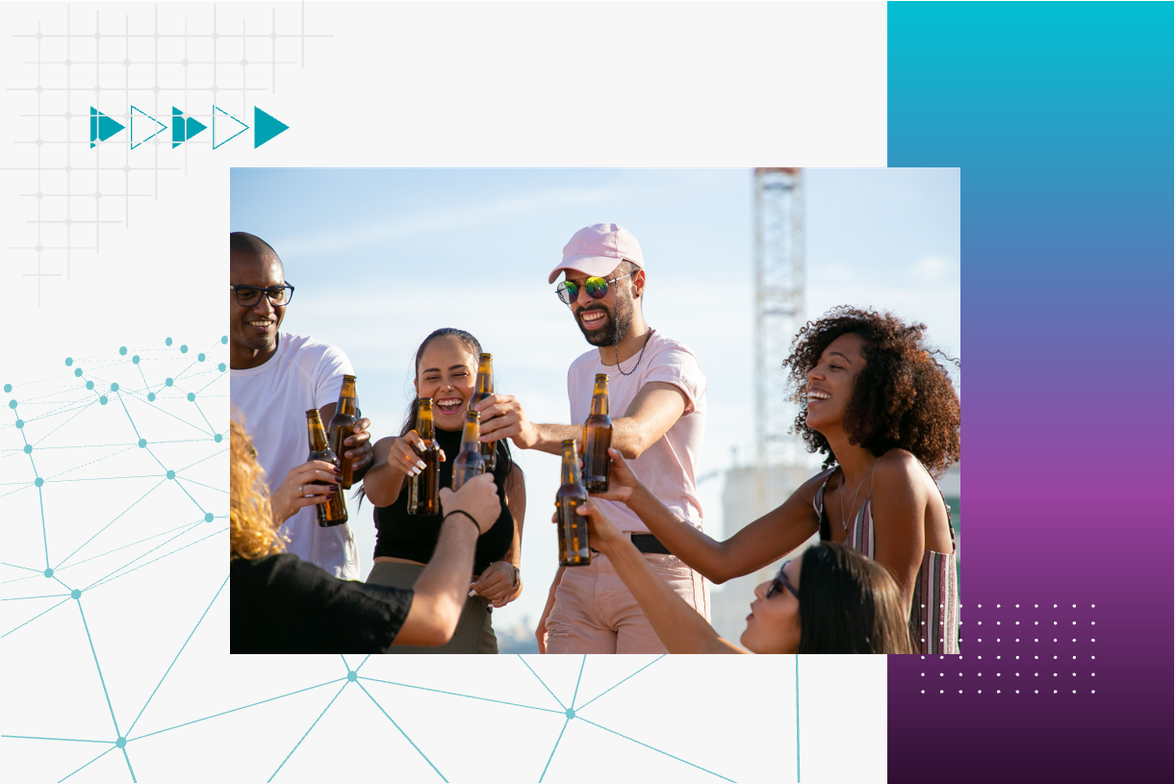
According to Kasi Insight's monthly Consumer Tracker across Africa, consumers report drinking more during the tournament, confirming that football is not just creating viewers—it is creating additional consumption occasions. Every match becomes an opportunity to gather with family and friends, visit restaurants and bars, host watch parties or celebrate national victories.
For beverage companies, the World Cup is more than a sponsorship opportunity. It is one of the few moments that naturally increases both consumer attention and product consumption at the same time.
Global brands are activating aggressively
The world's largest beverage companies entered the tournament with integrated campaigns designed to convert football excitement into sales.

As FIFA's longest-standing commercial partner, Coca-Cola launched its global "Feel It All" campaign, combining television advertising, digital storytelling, limited-edition packaging, Panini digital sticker promotions, fan parks, watch-party experiences and competitions sending consumers to World Cup matches. In South Africa, Coca-Cola localized the campaign by celebrating Bafana Bafana's return to the World Cup, introducing collectible cans, nationwide fan parks and retail promotions.
Powerade, Coca-Cola's sports drink brand, focused on athlete performance and hydration through television, digital media, outdoor advertising, stadium branding and immersive fan experiences featuring global football stars.
AB InBev activated multiple brands simultaneously. Michelob ULTRA became the official beer of the tournament with campaigns featuring Lionel Messi and Christian Pulisic, while Stella Artois encouraged fans to watch matches together through its "True Roar" campaign. Beyond advertising, AB InBev invested heavily in bars and hospitality venues, recognizing that football is experienced collectively rather than individually.
Diageo activated premium spirits including Johnnie Walker, Casamigos, Don Julio and Smirnoff through limited-edition packaging, retail programmes, experiential activations and city-based fan experiences across host markets.
What these campaigns have in common is that they go far beyond sponsorship. They combine packaging, retail, digital media, experiential marketing and promotions into a single consumer journey.
The opportunity for African beverage brands
The World Cup created an even greater opportunity for African beverage companies.
Brewers such as Carling Black Label, Castle Lager, Tusker, Star Beer, Hero Lager, Primus, 33 Export, Flag, Serengeti, Nile Special, Mosi, Gazelle, and Trophy Lager all operate in markets where football is deeply embedded in culture. Yet compared with global FIFA partners, relatively few African brands launched continent-wide campaigns linked directly to the tournament.
As African teams progressed further than ever before, consumers experienced more match days, more celebrations and more reasons to gather. Each additional African victory effectively created another high-consumption occasion for beverages.
The brands that responded quickly through limited-edition packaging, retail promotions, digital engagement or community viewing experiences were well positioned to capture incremental demand. Those that maintained business as usual likely benefited from higher sales volumes but missed the opportunity to strengthen long-term brand equity.
The real return on investment
The bigger return comes from behavioral change. When consumers gather to watch football, they purchase more beverages, visit retailers more frequently, order more food, stay longer in hospitality venues and share their experiences online. Every additional match involving an African team extends those behaviors.
For beverage companies, the value of the World Cup should therefore be measured across three dimensions:
Sales uplift: increased consumption during match days and celebrations.
Brand equity: stronger emotional associations created during memorable sporting moments.
Customer acquisition: attracting younger consumers through digital engagement, social content and experiential activations.
These returns continue long after the tournament ends.
The World Cup demonstrates that cultural moments do more than capture attention, they change consumption behavior. Kasi's data indicates that Africans are drinking more during the tournament, creating additional demand precisely when consumers are most emotionally engaged. It means beverage companies have an opportunity to grow both short-term sales and long-term brand preference at the same time.
The winners will not simply be the brands with the largest sponsorship budgets. They will be those that recognize how consumer behavior changes during major cultural moments and respond with campaigns that connect media, retail, hospitality and digital experiences into one seamless activation.
As African teams continue to exceed expectations on the pitch, the next question for marketers is simple: Will African beverage brands rise to the occasion too?
About Kasi Insight
Kasi Insight is Africa's leading decision intelligence firm specializing in high-frequency consumer and economic data across Africa. Through its proprietary survey infrastructure and analytics platform, Kasi provides real-time insights that help organizations anticipate economic shifts, understand consumer behavior, and make better strategic decisions.
We welcome collaboration with:
Organizations interested in exploring partnerships or accessing Kasi datasets are invited to contact our research team.
📧 yannick@kasiinsight.com
9 views
The Business of African Football: How Nine Teams Generated Millions in Untapped Brand Value
Rising leisure spending in Ivory Coast signals a shift in generational priorities and brand expectations
From Procrastination to Planning: Understanding Ugandan shoppers during this festive season