
Sandra Beldine Otieno
June 12, 2024
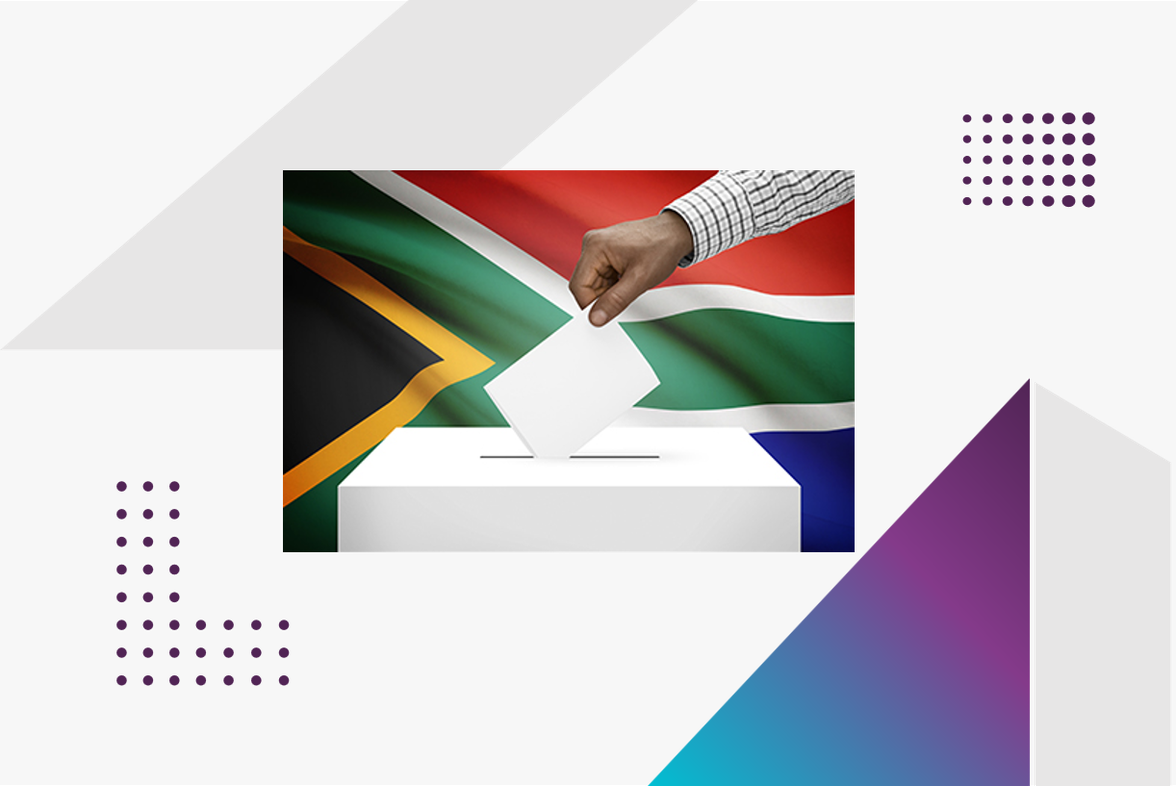
The 2024 general elections have catapulted South Africa into uncharted political waters. This election, remarkable for ending the African National Congress's (ANC) long-standing majority, signals a crucial transformation within the nation's governance. The necessity for coalition government, emerging from the fracturing of ANC's dominance, introduces a complex, potentially volatile era of South African politics, coinciding with the 30th anniversary of the country's democratic transition from apartheid..
The May 29 elections did not just disrupt the ANC's hegemony; they also reshaped the entire parliamentary landscape. The ANC, securing only 159 of the 400 seats, found itself short of the majority needed to govern independently, an unprecedented situation since it first came to power in 1994. The Democratic Alliance (DA) and the MK party, led by the controversial former president Jacob Zuma, captured 87 and 58 seats, respectively, with the remaining seats dispersed among smaller parties like the Economic Freedom Fighters (EFF) and the Inkatha Freedom Party (IFP).
This splintering of the vote compels the ANC to seek coalition partners, a process fraught with strategic and ideological complications. With each potential ally holding starkly different policy views, particularly on economic issues, the ANC's path to forming a stable government is perilous. The negotiations, still unresolved and intensely secretive, have left the public anxious and speculative about the future.
The process of forming a coalition has been intricate and fraught with tension. Initial discussions among the parties have been characterized by a high level of secrecy and strategic maneuvering, reflecting the significant stakes involved. Key issues at stake include aligning vastly different policy platforms, especially concerning economic policies and national governance approaches.
The potential coalitions present a complex tapestry of possibilities: an alliance between the ANC and the DA could offer a stable numerical majority but might alienate core ANC supporters due to ideological differences. Conversely, a coalition involving the ANC and more radical parties like the EFF could satisfy more of the ANC's traditional base but risks unsettling the business community and investors.
Amidst this political uncertainty, the Kasi Index of Consumer Sentiment (ICS) had previously indicated a potential change in leadership, capturing the public's growing dissatisfaction with current governance. The index, which recorded a volatile journey from deep pessimism to a more optimistic stance, suggested that economic and socio-political pressures were aligning for a significant political shift. This analysis, based on economic sentiment data, pointed towards a substantial possibility that the ANC might lose its majority, influenced by widespread public discontent with systemic corruption and inadequate service delivery.
The election's record-low voter turnout of 58.64 percent reveals a deep-seated disillusionment among the electorate. This apathy, a stark contrast to the over 90 percent turnout seen in the 1994 elections, raises profound concerns about the health of South Africa's democracy. The declining engagement suggests that citizens may feel increasingly alienated from the political process, perceiving it as unresponsive or ineffective in addressing their daily struggles.
Moreover, the specter of electoral fraud, raised by MK's allegations and its subsequent legal challenge—though dismissed by the Constitutional Court—adds another layer of distrust in the electoral system. Such incidents underscore the critical need for transparency and integrity in the electoral process, essential for maintaining public confidence in democratic institutions.
As South Africa stands on the brink of forming its first coalition government, the implications for policy-making and national governance are profound. The ability to navigate coalition dynamics effectively will be crucial for addressing pressing national issues such as economic inequality, unemployment, and public service delivery. The coalition government will need to foster a collaborative approach to reform, balancing diverse and often conflicting interests to enact meaningful change.
Conclusion
As South Africa navigates these complex political waters, the outcomes of these elections and the subsequent coalition formations will crucially shape the nation's future. This period represents a defining moment in South African political history, offering both significant challenges and opportunities for enhancing democratic governance and societal trust. The unfolding events will undoubtedly influence the trajectory of South Africa’s democracy, setting a precedent for future political developments in a more pluralistic and potentially balanced political arena.
Share on socials using this caption: 🗳️🌍 A historic shift in South Africa's 2024 elections! The ANC navigates uncharted waters with coalition governance, heralding a new chapter in the nation's democracy. #SouthAfricaElections2024 #NewEraPolitics 🇿🇦✨
2162 views
The Future of AI in Africa Lies in Smarter Decisions, Not Just Smarter Models
Africa’s Critical Minerals: From Hidden Resource to Economic Catalyst
Perceptions of climate inaction persist among Ghanaian consumers, driven by income disparities