Sandra Beldine Otieno, MSc
July 19, 2024
Share article


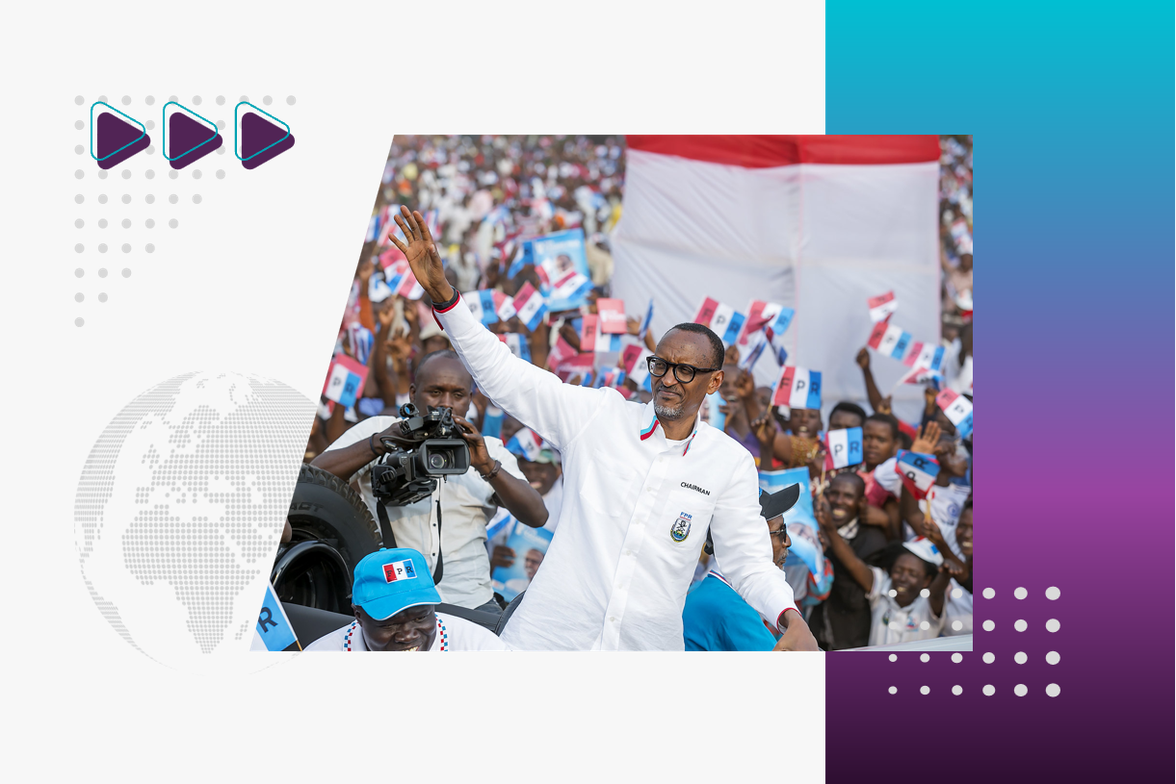
Rwanda's recent elections were deeply rooted in the nation's journey from its traumatic genocide in 1994 to a country hailed for its recovery and developmental strides under the leadership of the Rwanda Patriotic Front (RPF). The elections held on July 15, 2024, overseen by President Paul Kagame, were a testament to the political stability and growth that have characterized Rwanda's post-genocide era. The electoral process, however, also underscored ongoing concerns about political pluralism and electoral fairness.
The elections saw an unprecedented voter turnout, with 98% of the electorate participating. This level of engagement was indicative of Rwandans' strong commitment to their civic duties and their belief in having a voice in the country's governance. High voter turnout in this context was not only a sign of confidence in the electoral system but also a reflection of the populace's endorsement of ongoing political and economic policies.
The 2024 elections in Rwanda witnessed incumbent President Paul Kagame, representing the Rwanda Patriotic Front (RPF), competing against Frank Habineza from the Democratic Green Party and independent candidate Philippe Mpayimana. The provisional results confirmed a resounding victory for Kagame, who secured 99.18% of the vote, emphasizing his and the RPF's entrenched popularity and control over Rwandan politics. However, this overwhelming margin also attracted international scrutiny, raising concerns about the competitiveness of the electoral process.
In parallel, the results from the parliamentary elections mirrored the presidential outcome, with the RPF and its coalition partners achieving a substantial majority. This consolidation of power suggests that Kagame’s administration will likely continue its current policies focused on Rwanda’s economic development and social programs without significant opposition.
The 2024 elections marked a critical point for Rwanda, reaffirming the RPF's stability and command, while also highlighting the hurdles in promoting a competitive political arena. Observers from the East African Community and other international entities acknowledged the elections' peaceful and orderly nature, applauding Rwanda for its thorough organization and the inclusive electoral process. This positive feedback from international bodies underscores Rwanda's capability to conduct smooth electoral operations.
Nevertheless, the significant victory margins and the limited range of opposition candidates have sparked debates about the diversity of political representation and the state of democratic dialogue in Rwanda. The future political landscape will require fostering an environment that encourages wider participation and competition, crucial elements for a healthy democracy. As Rwanda progresses, it will be essential to nurture such a political climate to ensure dynamic governance and vibrant public discourse.
As Rwanda moves forward from the 2024 elections, the focus will likely remain on balancing the twin objectives of maintaining stability and nurturing a democratic environment rich in political diversity. The success of future elections will depend not only on administrative efficiency and peace but also on the ability of the political system to evolve and embrace a broader spectrum of political voices and ideas. This balancing act will be crucial for Rwanda as it strives to define its democratic identity on the global stage.
Share on socials using this caption: 🇷🇼 Rwanda's 2024 elections showcase a pivotal moment: President Kagame re-elected with 99.18%, amidst a historic 98% turnout. Spotlight on Rwanda’s journey towards democratic maturity. 🗳️✨ #RwandaElections2024 #DemocraticProgress #Vote2024
3398 views
Share article
The Future of AI in Africa Lies in Smarter Decisions, Not Just Smarter Models
Africa’s Critical Minerals: From Hidden Resource to Economic Catalyst
Perceptions of climate inaction persist among Ghanaian consumers, driven by income disparities