
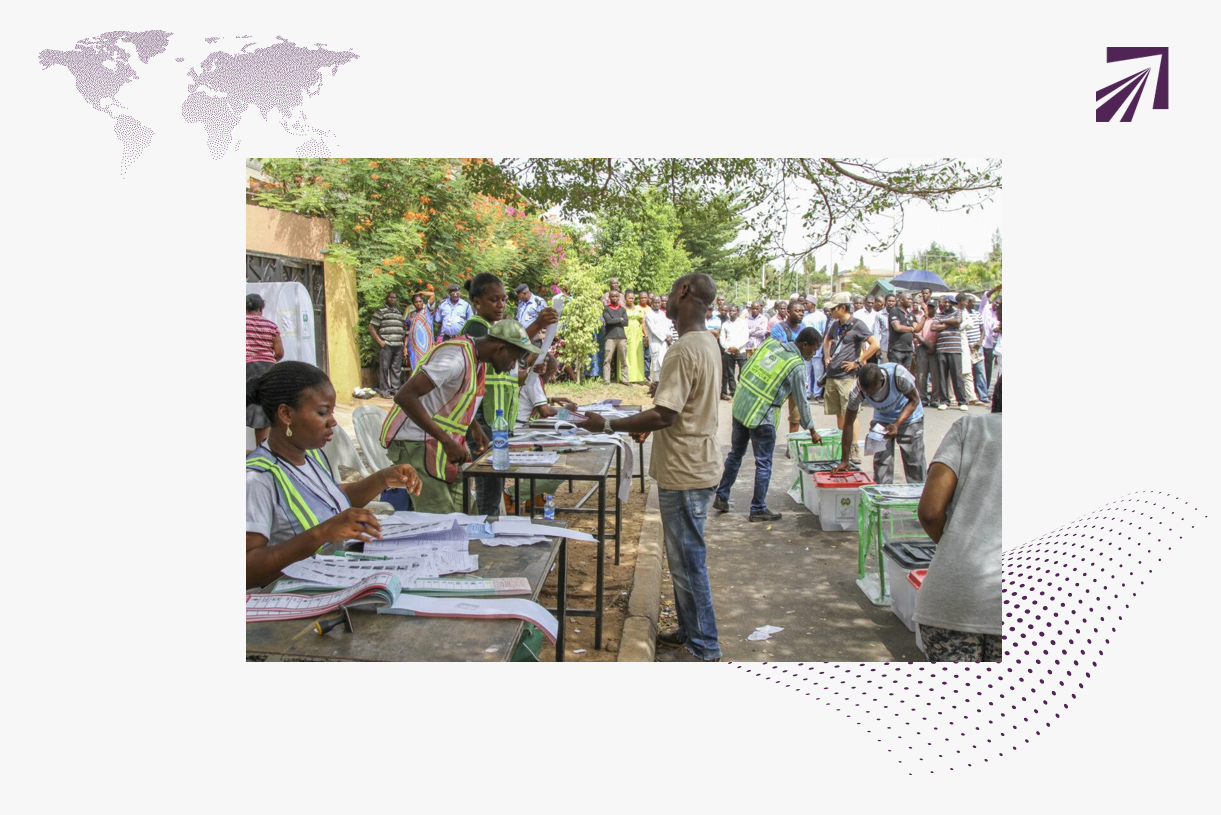
The white paper investigates the correlation between the consumer confidence index (CCI) and consumer demand during election cycles in Africa. Focused on Ghana, Kenya, and Ivory Coast, it explores how CCI acts as a predictor of consumer behavior in election years, particularly in countries with histories of election-related violence.
Key findings include:
- CCI Predictive Ability: CCI emerges as a strong predictor of consumer demand during election periods compared to investor confidence. Countries experiencing election-related violence witness declining consumer confidence leading to lower household consumption, contrasting with more peaceful countries where consumer confidence and demand tend to rise.
- GDP and Consumption Trends: GDP growth weakens during election years, especially in countries prone to election-related violence. Consumer sentiment, reflected in CCI, aligns closely with consumption trends, implying that reduced GDP affects consumption.
- Retailer Implications: Retailers can anticipate consumer demand dropping in countries with contentious elections and expect steadier demand in more peaceful nations. The impact of COVID-19, along with contentious elections, might intensify the downturn in consumer demand.
The case studies of Kenya and Ghana illustrate these points vividly:
- Kenya: A history of election-related violence impacts consumer confidence negatively. CCI declined sharply preceding and following the elections in 2017, mirroring a decline in GDP and likely leading to reduced consumption.
- Ghana: In contrast, a more peaceful election climate leads to an increase in consumer confidence and subsequent household consumption. The CCI rise aligns with increased GDP and consumption before elections.
The paper suggests that understanding the relationship between elections and consumer confidence is crucial for governments and businesses. It emphasizes the importance of CCI as a leading indicator for economic activity and advises retailers to prepare for fluctuating consumer demand during election cycles, especially in countries with contentious election histories.