Joy Muindi
May 28, 2025
Share article


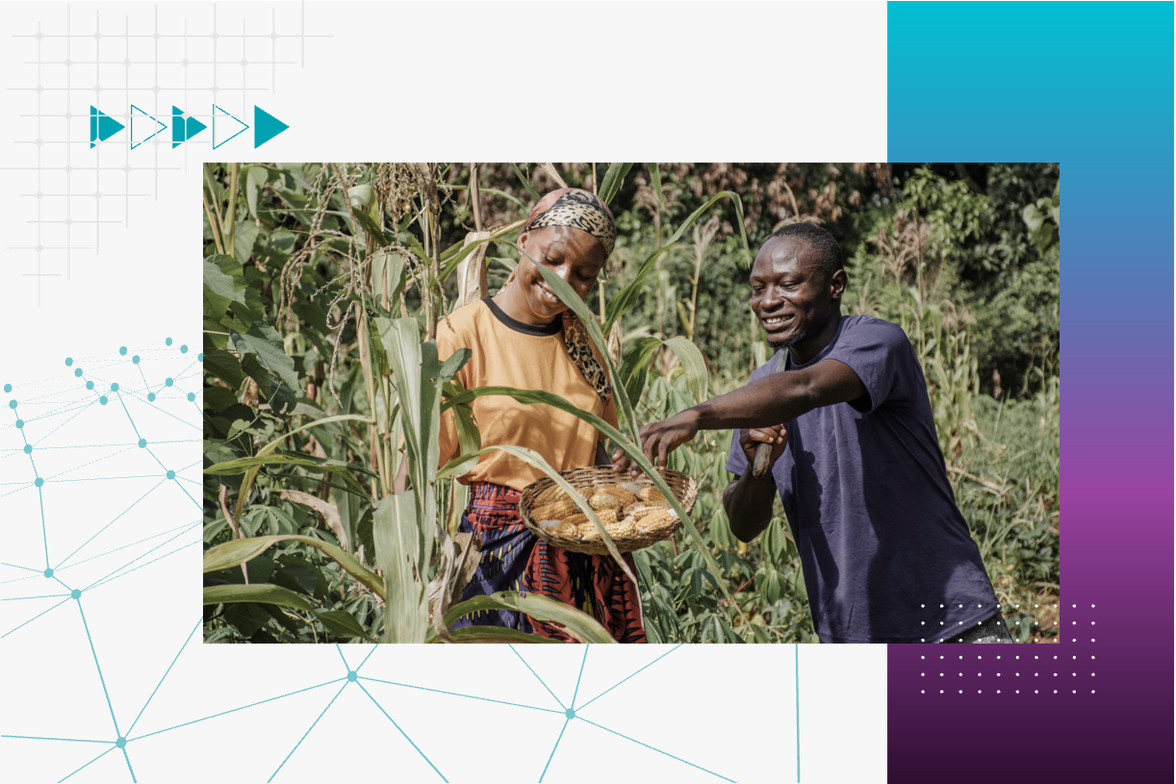
Kasi Insight’s Sustainability Tracker explores how environmental awareness is evolving across Africa, revealing how climate change is being experienced and how it influences day-to-day decisions. The tracker also captures how consumers perceive corporate and sectoral sustainability efforts, offering valuable insights for brands, policymakers, and changemakers aiming to meet growing expectations around environmental responsibility.
Sustainability is becoming a defining factor in Cameroonian purchasing decisions. Consumers show strong preference for eco-friendly packaging (35%), natural ingredients (34%), and locally produced goods (33%). These preferences reflect a growing awareness of environmental and social issues influencing product choices across the population.
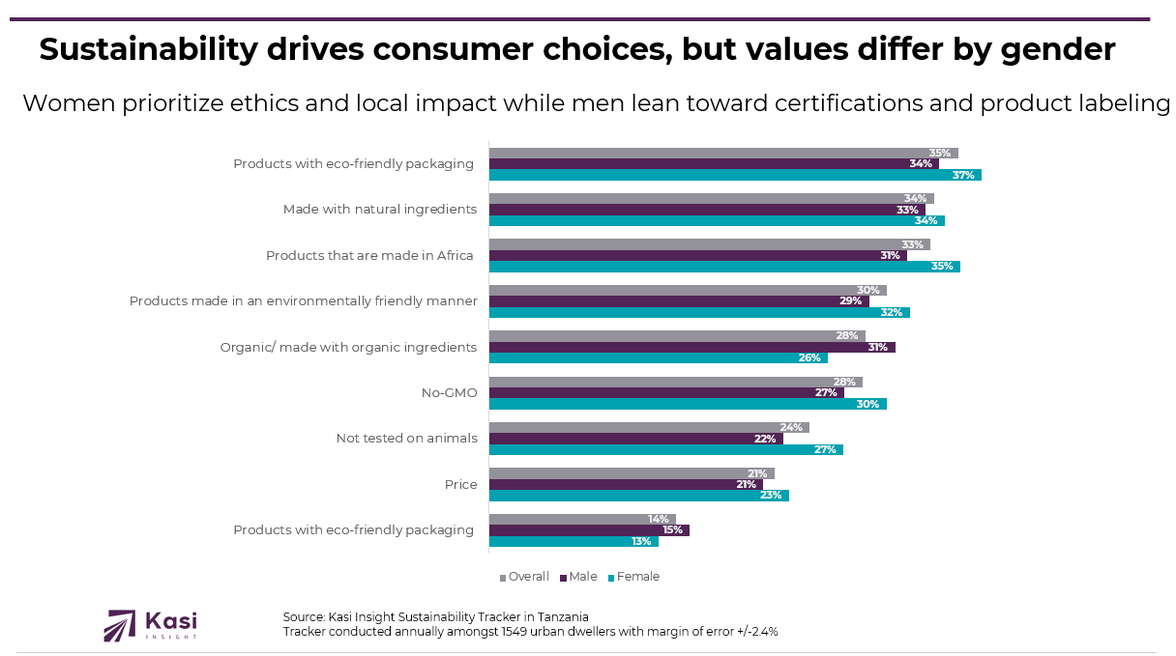
When viewed through a gender lens, important differences emerge. Cameroonian women show a stronger preference for locally made products (35% versus 31% of men), goods not tested on animals (27% versus 22%), and items produced in environmentally responsible ways (32% versus 29%). Men, meanwhile, are more likely to prioritize certifications, with 31% valuing organic labels compared to 26% of women. These distinctions suggest that tailored sustainability messages could significantly enhance relevance and impact for each group.
Although sustainability is top of mind for many consumers, perceptions of how well farmers are upholding environmental standards remain mixed. Most respondents, 41% of both men and women, rated farmers’ efforts as just fair. This neutrality suggests cautious optimism, but also indicates limited trust in current agricultural sustainability practices.
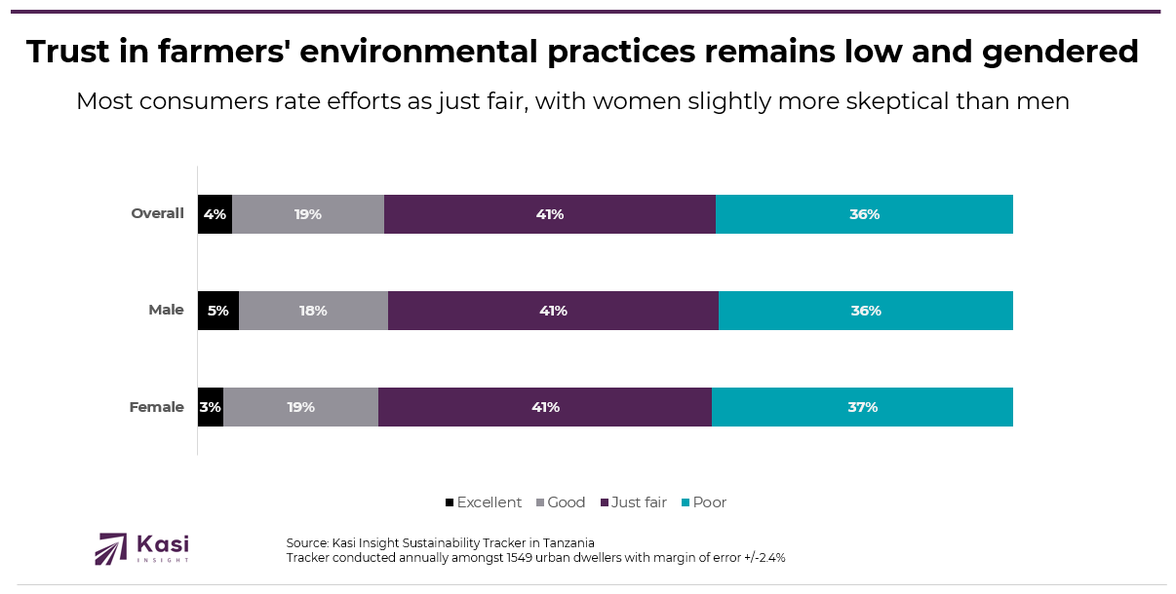
Only 4% of respondents rated farmers as excellent, with men slightly more optimistic at 5% compared to 3% for women. Meanwhile, 36% of consumers said farmers were performing poorly, underscoring a credibility gap. These results highlight the need for targeted interventions that can build public trust, especially by showcasing measurable improvements and farmer-led sustainability efforts.
To effectively promote sustainable consumption, communication strategies must address the different priorities of men and women. For Cameroonian women, effective messaging should emphasize ethical sourcing, local economic benefits, animal welfare, and environmental stewardship. Stories grounded in community narratives, especially those that feature women farmers and local changemakers, can be especially persuasive.
For Cameroonian men, messaging should focus more on product certifications, measurable sustainability outcomes, and labeling such as organic or non-GMO. Across both groups, transparency and traceability within the supply chain are essential. Connecting consumers directly with producer efforts can enhance credibility and reinforce trust. Aligning communication with these gender-specific values can ultimately foster more informed choices and support the growth of a resilient, sustainable agriculture ecosystem in Cameroon.
Share on socials using this caption: 🌱 Cameroonians want eco-friendly, local, and ethical products but only 4% trust farmers are doing enough. #SustainabilityInAfrica #EcoChoices #CameroonConsumers #ClimateAction #GreenTrust #GenderInsights
1541 views
Share article
The Future of AI in Africa Lies in Smarter Decisions, Not Just Smarter Models
Africa’s Critical Minerals: From Hidden Resource to Economic Catalyst
Perceptions of climate inaction persist among Ghanaian consumers, driven by income disparities