
Yannick Lefang, Eng
June 19, 2026
The first round of games at the 2026 FIFA World Cup has already offered an important signal about the state of African football. Africa’s teams are not just participating; they are competing. Across the opening matches, the continent’s representatives delivered a mix of disciplined performances, surprising results and a few painful reminders of the gap that still exists at the very top of the game.
On paper, the record looks balanced rather than spectacular: two wins, four draws and four defeats from ten matches. But the numbers alone do not tell the full story. What matters more is who those results came against. African teams took points from Brazil, Spain, Belgium and Portugal, some of the most established football powers in the world. That alone makes this opening round feel different.
Morocco’s draw against Brazil was perhaps the least surprising surprise. After reaching the semi-final in 2022, Morocco no longer enters these matches as a romantic underdog. They now play with the confidence of a team that believes it belongs among the elite. A draw against Brazil reinforces that shift. Morocco has moved from being Africa’s great hope to one of the tournament’s serious contenders.
But the more revealing stories came from teams that had lower expectations. Cape Verde holding Spain to a goalless draw was one of the most impressive results of the opening round. For a debutant nation with a small population, the performance showed organization, discipline and belief. They did not look overwhelmed by the occasion. They looked prepared.
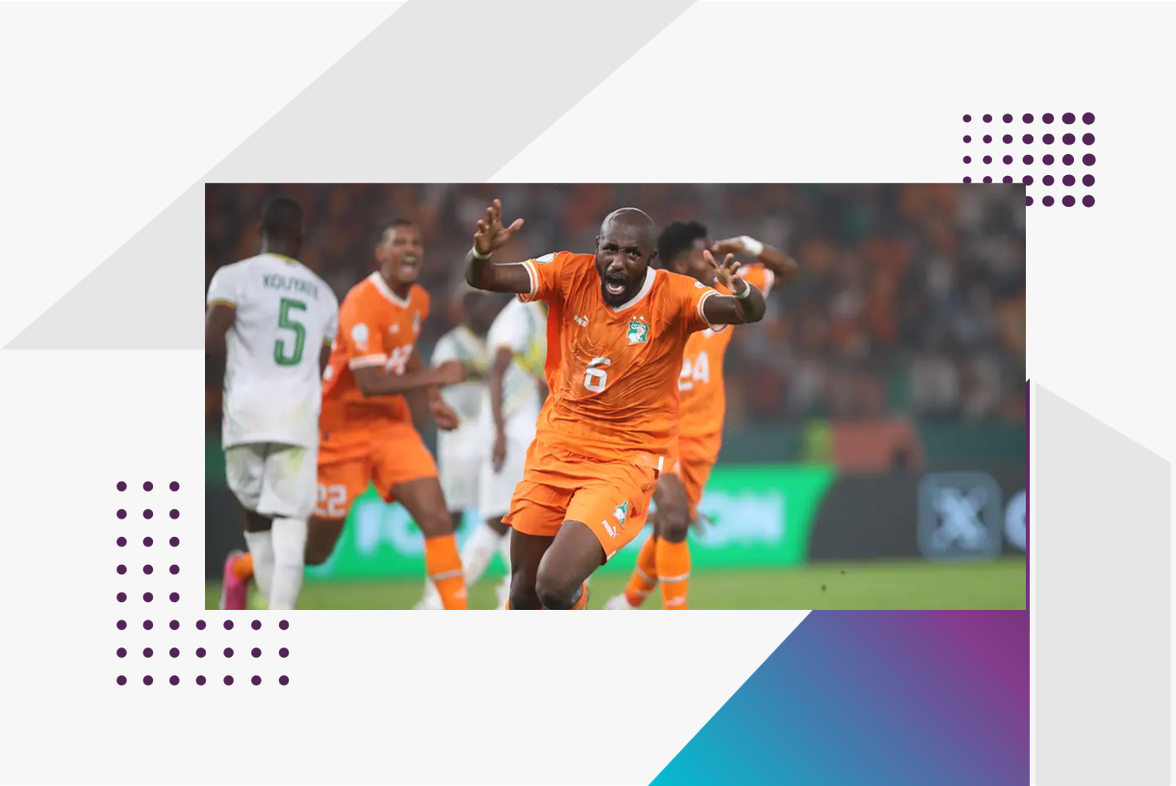
DR Congo’s draw with Portugal carried a similar message. This was not just about surviving against a European powerhouse. It was about showing that African teams outside the usual headline names now have enough structure and talent to compete at this level. Egypt’s draw against Belgium added to that pattern, while Ivory Coast’s win over Ecuador gave the continent one of its clearest statements of intent.
Ghana also started strongly, beating Panama 1-0. It was not a flashy result, but it was exactly the kind of professional opening performance that matters in tournament football. In a group-stage format, winning the first match changes everything. It gives a team control, confidence and breathing room.
There were also disappointments. South Africa’s loss to Mexico showed the challenge of starting a tournament against a host nation with momentum and crowd support. Senegal’s defeat to France was not disastrous, but it was a reminder that playing well in patches is not enough against elite teams. Algeria’s loss to Argentina was more concerning, while Tunisia’s heavy defeat to Sweden was the clearest warning sign that some African sides still struggle when games open up tactically and physically.
Still, the broader story is positive. The biggest insight from the first round is that Africa’s strength is no longer concentrated in one or two teams. In past World Cups, the continent often relied on a single breakout side to carry the narrative. Cameroon in 1990, Senegal in 2002, Ghana in 2010 and Morocco in 2022 all played that role. This time, the story feels wider. Morocco, Ivory Coast, Egypt, Cape Verde, DR Congo and Ghana have all shown enough to suggest that Africa has real depth.
That may be the most important consequence of the expanded World Cup. With more African teams in the tournament, the world is seeing a fuller picture of the continent’s football quality. Countries that might previously have been blocked by a brutal qualification process are now getting a chance to show what they can do. Cape Verde and DR Congo are perfect examples. Their performances suggest that African football has more competitive teams than the old World Cup format allowed us to see.
There is also a deeper football development story behind these results. African teams are no longer relying only on individual brilliance. Many now combine local identity with players trained in European systems, stronger tactical preparation and better tournament management. The result is a more mature kind of African football: less chaotic, more organized and more comfortable in high-pressure matches.
The old narrative was that African teams could surprise the world. The emerging narrative is different. African teams are now expected to compete. That is a major shift.
The next challenge is conversion. Draws against Brazil, Spain, Belgium and Portugal are impressive, but they only become historic if they lead to qualification for the knockout rounds. Strong performances must now become points, and points must become progression.
After the first round, Africa can be encouraged. The continent has shown quality, depth and resilience. But more importantly, it has shown that its football story is changing. This World Cup may not be about one African team making a miracle run. It may be about several African teams proving that they belong at the centre of the tournament.
What Can Business Leaders Learn From This?
The story of Africa's performance at this World Cup extends beyond football. For years, global perceptions of African football lagged behind reality. Many observers continued to view African teams as occasional disruptors rather than consistent competitors. The opening round of the 2026 World Cup suggests that reality has changed, but perceptions have not fully caught up.
The same dynamic exists across Africa's economies and consumer markets. Too often, decisions about investment, trade, market entry and growth are still informed by outdated assumptions rather than current evidence. Yet beneath the headlines, African consumers, businesses and institutions are evolving rapidly, creating opportunities that many organizations fail to see until they become obvious.
At Kasi Insight, we see this pattern every day in our data. Whether tracking consumer confidence, retail demand, financial inclusion, media consumption or sustainability trends across more than 20 African markets, one lesson consistently emerges: the Africa of today is often very different from the Africa people think they know.
Just as this World Cup is challenging old assumptions about African football, decision-makers should challenge old assumptions about African markets. The question is no longer whether Africa can compete. The question is whether organizations have the intelligence and data needed to keep up with its pace of change.
To learn more about how Kasi Insight's high-frequency consumer and economic intelligence helps organizations make better decisions across Africa, visit us at Kasi Insight.
5 views
Football Reveals Africa’s Next Billion Consumers
While Patriotism Trumps Football, Africans Expected Cameroon To Win It All
AFCON 2021 Sports Betting wins the marketing and branding trophy