
Africa's Most Valuable World Cup Export Isn't Football. It's Culture.

world cup

As the World Cup unfolds, much of the conversation has understandably focused on goals, tactics, and surprising performances on the pitch. Yet for many African teams, some of the most powerful moments have happened before a ball was even kicked.

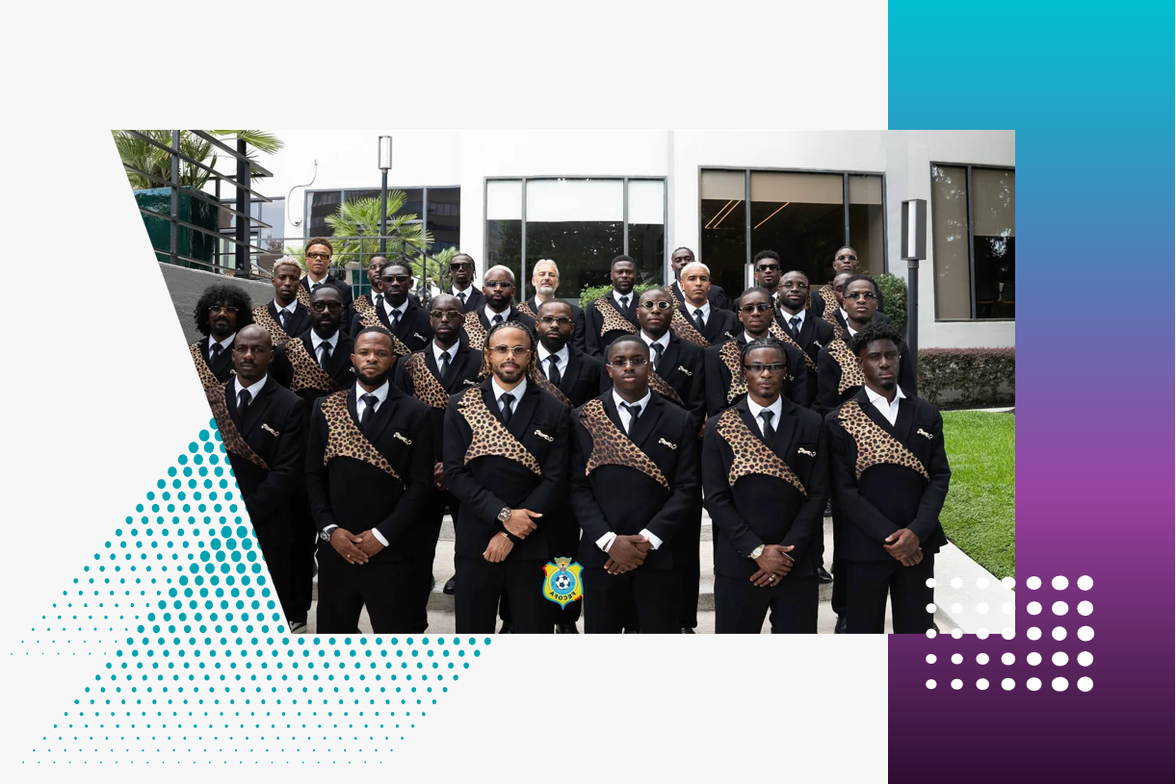
When DR Congo's players arrived wearing elegant custom-made suits inspired by the country's iconic La Sape culture, they immediately captured global attention. When Côte d'Ivoire showcased outfits drawing on traditional textile heritage and contemporary African design, they reminded the world that African creativity is every bit as compelling as African football. These images spread across social media, fashion publications, and international news outlets, generating millions of impressions and sparking conversations far beyond the tournament itself.

15WORLDCUP-CONGOLESE-DESIGNER-02-cjhp-superJumbo

It would be easy to dismiss these moments as simply fashion statements. In reality, they represent something much bigger. They are examples of how Africa is increasingly exporting culture, identity, and creativity alongside its traditional exports.

For decades, Africa's economic story has been told largely through commodities. The continent exports oil, minerals, coffee, cocoa, tea, and agricultural products. While these industries remain important, they do not fully capture where some of Africa's most exciting opportunities may emerge in the future. Increasingly, Africa's competitive advantage lies not only in what it produces, but in who it is.

The World Cup has become a global stage for nation branding. Countries spend billions promoting tourism, investment, and trade opportunities. Yet sometimes a well-designed outfit can achieve what expensive marketing campaigns struggle to accomplish. In a single appearance, a football team can introduce the world to local designers, cultural traditions, craftsmanship, and creative industries. Behind every outfit worn by a player is an ecosystem of designers, tailors, photographers, stylists, manufacturers, and entrepreneurs whose work contributes to economic activity and job creation.

Other regions of the world have long understood the economic power of culture. South Korea transformed its global image through music, entertainment, and fashion. The United States exports Hollywood as successfully as it exports technology. France has built entire industries around luxury, design, and lifestyle. These countries recognize that culture is not separate from the economy; culture is part of the economy.

Africa is beginning to demonstrate the same potential. Across the continent, creative industries are expanding rapidly. African music dominates global streaming charts. Fashion designers are gaining international recognition. Filmmakers, content creators, artists, and digital entrepreneurs are reaching audiences that would have been unimaginable a decade ago. What we are witnessing is the emergence of culture as a serious economic asset.

The significance of this World Cup extends beyond sport because it offers a glimpse of how Africa wants to be seen. Rather than being defined by narratives of aid, conflict, poverty, or risk, African countries are increasingly presenting themselves through confidence, creativity, innovation, and pride. The images from Kinshasa-inspired tailoring, Ivorian design, Senegalese elegance, and Moroccan style are telling a different story about the continent, one that is being shaped by Africans themselves.

For policymakers, investors, and business leaders, this should serve as an important reminder. The future of Africa will not be built solely through infrastructure projects, resource extraction, or industrial development. It will also be shaped by the industries that influence perception, create intellectual property, build brands, and connect emotionally with consumers. Creative industries deserve to be viewed not as cultural side projects but as strategic sectors capable of generating jobs, exports, investment, and global influence.

At Kasi Insight, we believe understanding Africa's future requires looking beyond traditional economic indicators. Consumer aspirations, cultural trends, identity, and changing lifestyles are increasingly important drivers of economic growth. The same forces that make a fashion statement go viral can influence consumer spending, brand loyalty, tourism demand, and investment decisions.

The World Cup has reminded us that Africa's greatest assets are not only found underground or in its natural resources. They are found in its people, its ideas, and its creativity.

Football may bring the world together for ninety minutes, but culture leaves a lasting impression.

And if this World Cup has shown us anything, it is that Africa is no longer just participating in the global conversation. It is helping shape it.

At Kasi Insight, we are committed to helping organizations understand the consumers, cultures, and trends that will define Africa's next decade of growth. Because the future of Africa will be measured by more than GDP alone. It will also be measured by the ideas, identities, and stories that move people, and ultimately move markets.

References

Nytimes.com. (2026, June 15). The New York Times - Breaking News, US News, World News and Videos. https://www.nytimes.com/2026/06/15/style/congo-team-leopard-suits-world-cup.html


Recent posts

See all

Yannick Lefang, Eng

Beyond Reporting: Introducing Kasi Insight Sustainability Intelligence

Subscribe to our free newsletter