Yannick Lefang, Eng.
July 9, 2025
Share article


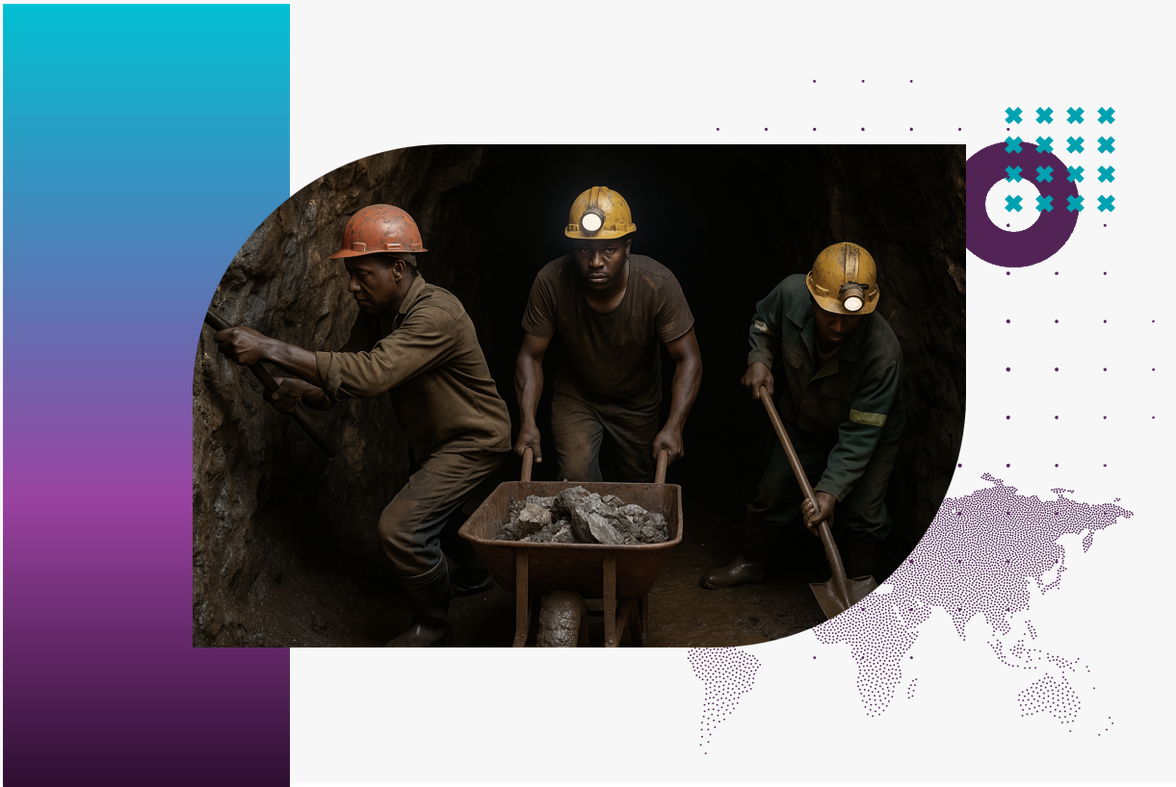
Every smartphone, electric vehicle, and solar installation relies on a complex global supply chain built on critical minerals. Lithium, cobalt, nickel, graphite, and rare earth metals have become the foundation of modern technology, enabling clean energy and digital connectivity. For Africa, the story of these materials is not just about extraction. It is an opportunity to strengthen local economies, advance industrial development, and create a more balanced global marketplace.
Africa holds a vital position in supplying the minerals essential for renewable energy and advanced technologies. The Democratic Republic of Congo accounts for more than 70% of the world’s cobalt production, which is critical for batteries powering devices and vehicles. Zimbabwe and Namibia are emerging as significant sources of lithium used to store renewable energy and improve energy efficiency. Rwanda has established itself as a major exporter of processed tantalum and tin, minerals that form the backbone of electronic components in smartphones, laptops, and other devices.
Despite this strategic role, many countries have experienced limited gains from exporting raw materials. Minerals are often shipped out without further processing, which restricts opportunities for job creation, infrastructure investment, and industrial capacity building. Environmental risks and unsafe working conditions have also persisted in some mining regions. As demand for these resources accelerates, there is growing recognition that the prevailing model must evolve so that more benefits remain within local economies.
Governments and companies are beginning to challenge the traditional approach of extraction without transformation. In Zimbabwe, legislation has been introduced to ban the export of unprocessed lithium, with the aim of establishing domestic refining capacity and generating employment. Namibia has implemented policies requiring more processing and beneficiation within the country to support broader economic development. These reforms reflect a determination to move beyond dependence on exporting raw materials and toward building more resilient industries.
Companies are also adjusting their practices. Apple has committed to sourcing 100% recycled cobalt for its batteries by 2025, reducing environmental impact and reliance on newly mined resources. Fairphone has developed modular smartphones that last longer and rely on ethically sourced materials. Across Africa, businesses such as RLG Ghana are investing in local electronics assembly and recycling, demonstrating that manufacturing and resource stewardship can coexist. Initiatives by e-commerce platforms, including Jumia’s electronic waste collection pilots, point to the potential for circular economy solutions.
These examples illustrate that progress is possible when policy frameworks, market incentives, and innovative business models align. However, achieving lasting change will require continued investment, clear regulations, and wider participation from all stakeholders.
Kasi Insight’s research shows that younger generations of African consumers are increasingly aware of how products are made and where materials originate. Rising demand for transparency and accountability is creating momentum for companies to disclose sourcing practices and invest in local economies. Repairing devices instead of discarding them, supporting brands that prioritize sustainable materials, and participating in recycling programs are actions that contribute to reducing waste and encouraging more equitable outcomes.
This shift in consumer expectations is helping to redefine Africa’s role in global value chains. Moving from a resource exporter to an industrial leader involves not only policy changes and corporate commitments but also collective decisions about which products are valued and how they are used. The transition represents an important opportunity to build industries that deliver broader benefits, protect the environment, and support long-term prosperity.
Africa’s mineral story is entering a new phase defined by innovation, accountability, and shared responsibility. The choices made across industries, governments, and households will determine whether this wealth supports sustainable development and economic transformation or continues to reinforce old dependence.
Share on socials using this caption: 🌍 From cobalt to lithium, Africa holds the keys to a cleaner, connected world. 🌿🔋 Now is the time to champion ethical sourcing, local innovation, and industries that create real opportunity. Together, progress can be built from the ground up. #AfricaInnovates #MineralsForChange #SustainableGrowth ✨
1640 views
Share article
The Future of AI in Africa Lies in Smarter Decisions, Not Just Smarter Models
Perceptions of climate inaction persist among Ghanaian consumers, driven by income disparities
Eco-friendly packaging and natural ingredients drive Ghanaian purchases, despite limited support for corporate sustainability practices