Sandra Beldine Otieno, MSc
September 14, 2024
Share article


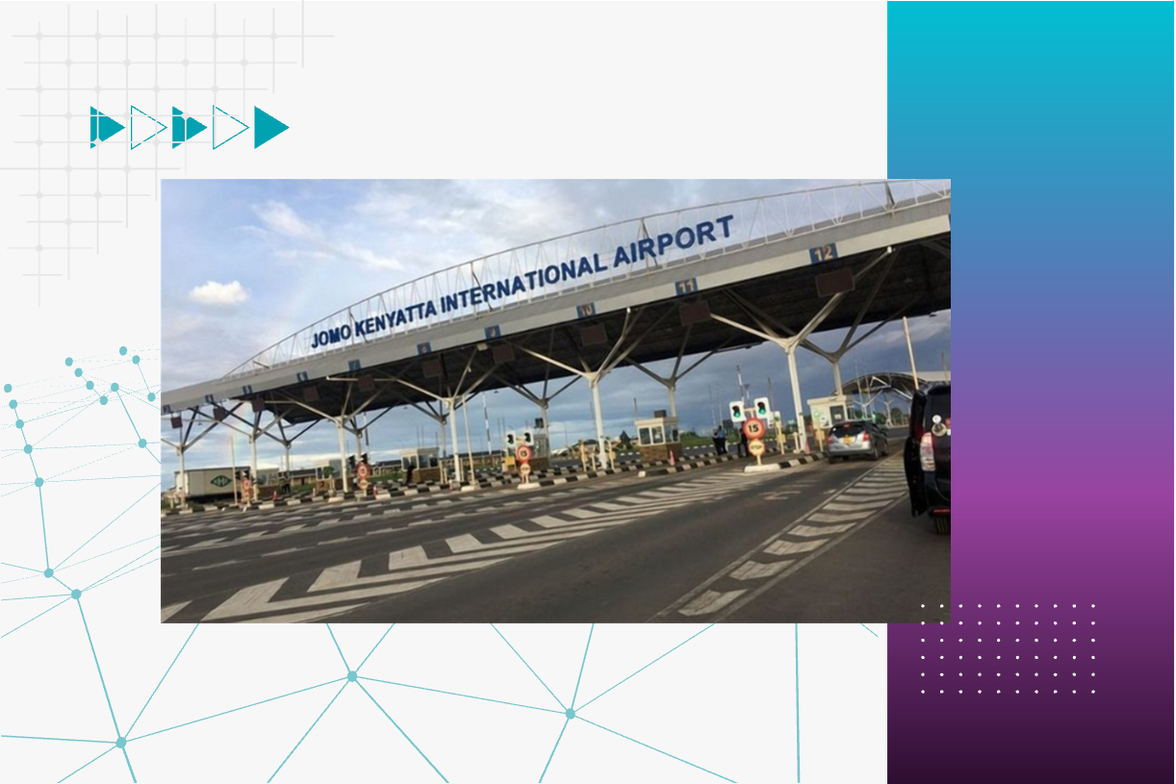
The Adani-JKIA deal emerges as a transformative proposal with Adani Enterprises, a prominent Indian conglomerate, set to take the reins of Jomo Kenyatta International Airport (JKIA) in Nairobi for the next three decades. With a staggering investment of approximately KSh 238 billion, this agreement marks one of the most significant infrastructural collaborations in the annals of Kenyan history. The sheer magnitude of this deal and the manner in which it has been negotiated have ignited a fervent public discourse and intense scrutiny. This debate reflects deep concerns about transparency and the long-term impacts of such a monumental agreement on the nation's strategic assets and sovereign capabilities.
The core of the Adani-JKIA deal is both ambitious and expansive, aiming to inject significant capital into the modernization of Nairobi's Jomo Kenyatta International Airport (JKIA). Adani Enterprises plans to overhaul the airport's deteriorating infrastructure by constructing new terminals, upgrading taxiways, and incorporating advanced technology. These enhancements are designed to significantly boost the airport's operational efficiency and capacity, preparing it to handle an anticipated increase in both regional and international air traffic.
This initiative is driven by the pressing needs of JKIA, which currently grapples with limited capacity, frequent congestion, and facilities that fall short of global standards. The envisioned transformation under Adani's management is expected to elevate JKIA into a pivotal hub for East African aviation, catalyzing economic growth and enhancing Kenya's connectivity with the international market. This redevelopment is poised not only to resolve existing operational bottlenecks but also to position JKIA as a critical nexus in East Africa’s broader economic framework.
Despite the potential advantages outlined by proponents of the Adani-JKIA deal, the agreement has become mired in a complex web of controversy that significantly tarnishes its perceived benefits. One of the primary issues fueling dissent is the alleged opacity surrounding the negotiation process. Critics have voiced substantial concerns that the deal was negotiated in secrecy, without the requisite level of public oversight or accountability. This lack of transparency has raised serious alarms about potential corruption and mismanagement, suggesting that the deal may not have been conducted in the best interests of the Kenyan public.
Moreover, the deal has encountered legal opposition from notable national watchdogs, including the Law Society of Kenya and the Kenya Human Rights Commission. These organizations have escalated their concerns to the judiciary, challenging the legality of the lease agreement. Their argument is centered on the premise that the deal could inappropriately privatize JKIA—a highly profitable and strategic national asset—without adequate public discourse or adherence to due process. This legal challenge underscores a broader apprehension that the agreement might prioritize corporate gain over national welfare, potentially sidelining the rights and interests of the Kenyan populace.
For Adani Enterprises, the Adani-JKIA deal represents much more than just a construction or management endeavor; it is a strategic foray into a new geographical and market domain. By securing the rights to manage JKIA, Adani is poised to establish a critical stronghold in East Africa’s rapidly growing aviation sector. This strategic move is in line with the company's broader global expansion strategy, which aims to bolster its logistical and infrastructural presence across different continents.
Financially, the concession allows Adani to assume significant control over one of Africa’s busiest airports. This control offers access to lucrative revenue streams including airline fees, passenger services, and a variety of commercial operations that the airport accommodates. Such financial benefits are not just limited to direct revenues from airport operations but also extend to enhancing Adani's influence over regional trade and transportation networks. This increased influence can potentially accelerate the company’s integration into East Africa's economic fabric, leveraging the region’s growth for substantial economic returns and enhancing its strategic position in international trade and logistics.
The Kenyan government supports the Adani-JKIA deal, emphasizing the urgent need for infrastructural improvements at JKIA that, it argues, cannot be funded domestically due to fiscal constraints. Officials posit that the partnership with Adani will significantly reduce the financial strain on the state's budget, enabling essential modernizations without depleting national funds.
However, this perspective is met with substantial criticism, suggesting that it may overly focus on immediate infrastructural benefits at the expense of long-term national interests. Critics express concerns about the potential consequences of entrusting vital infrastructure to a foreign entity, fearing that this could undermine Kenya's economic autonomy and diminish its negotiating power on the international stage. There is a lingering apprehension that while the short-term gains from such a deal are evident, the long-term implications could place Kenya in a disadvantageous position, compromising its control over critical national assets and its ability to independently dictate economic policies.
The Adani-JKIA deal presents both significant opportunities and substantial risks. The promise of infrastructural modernization and economic growth is compelling, but the concerns regarding transparency, legal integrity, and national sovereignty are too substantial to overlook. A more cautious and transparent approach, prioritizing public engagement and robust oversight, is crucial. This approach will ensure that the partnership not only revitalizes JKIA but also protects Kenya's strategic interests, fostering a sustainable and prosperous future in the aviation sector.
Share on socials using this caption: 🚨 Adani's JKIA deal promises major upgrades, but critics warn of risks to Kenya’s sovereignty 🇰🇪 and control over key assets. Is the short-term gain worth the long-term cost? ✈️💼 #Kenya #JKIA #Infrastructure #Sovereignty
2052 views
Share article
The Future of AI in Africa Lies in Smarter Decisions, Not Just Smarter Models
Africa’s Critical Minerals: From Hidden Resource to Economic Catalyst
Perceptions of climate inaction persist among Ghanaian consumers, driven by income disparities